Those who want fizz during the film
If you’re looking for a fizzy drink, check that it’s labelled “sparkling” or contains carbon dioxide. An orange drink that contains orange juice shouldn’t be confused with pure juice.


If you can’t imagine film night without fizz, choose an orange drink labelled as sparkling or carbonated, then check how much juice it contains and its sugar content per serving. If you’d rather pour and share pure juice, choose the size and texture that suit you, knowing it won’t meet the fizz requirement.
If you’re looking for a fizzy drink, check that it’s labelled “sparkling” or contains carbon dioxide. An orange drink that contains orange juice shouldn’t be confused with pure juice.
If fizz isn’t a priority, a bottle of pure orange juice, with or without pulp, makes it easy to pour a glass for everyone. Carrefour, E.Leclerc and Auchan stock pure orange juices separately from fizzy drinks.
To compare pure juice with a fizzy drink containing juice, check the product description, ingredients list and sugar content for the same quantity or serving size.
For a film night, first decide whether you need fizz: that’s what separates a sparkling drink from pure juice. Then check the ingredients and how you plan to serve everyone.
Choose this if: you definitely want fizz. Sanpellegrino describes Aranciata Rossa as a sparkling drink containing 10% orange juice and 5% blood orange juice from concentrate.
Bear in mind: this isn’t pure juice. Sanpellegrino states that a 33 cl can of Aranciata Rossa contains 30 g of sugars.
Choose this if: pure juice and serving from a bottle are your priorities. Carrefour, E.Leclerc and Auchan stock sharing-friendly sizes, with and without pulp.
Limitation: these pure juices won’t satisfy a craving for a fizzy drink. Don’t assume they’re carbonated based on their packaging or how they’re served.
| What to consider | What to check | Who is it important to? |
|---|---|---|
| Fizz | Look for “sparkling”, “fizzy” or “carbon dioxide” on the product page or label. | If fizz is part of the planned film-night treat, classic pure juice won’t meet my expectations; around 37% of consumers would put fizz first. |
| Type of drink | Read the product description and check the juice content: pure juice, nectar and a sparkling drink containing juice are different products. | If I’m filling glasses from a bottle, I’d choose pure juice, even if it isn’t fizzy; around 27% of consumers would make pure juice for sharing their top priority. |
| Sugars and ingredients | Compare the sugars per 100 ml and per intended serving, as well as the ingredients list. | If we’re planning to have several cans during the film, I want to know the sugar content per serving before choosing; around 18% of consumers would prioritise this comparison. |
| Pulp and serving | Check whether it contains pulp, the pack size and the number of bottles or cans. | If I’m serving a group with different preferences, I want a suitable texture and quantity; around 18% of consumers would put this question first. |
A sparkling drink can contain orange juice without being classed as pure juice. The product description tells you what you’re buying, even if orange features on both packages.
Compare the product description, juice content and ingredients list rather than relying on the packaging alone.
An easy-to-share bottle isn’t a substitute for a fizzy drink if fizz is your deciding factor.
Before choosing, check that it’s labelled “sparkling” or contains carbon dioxide.
A 33 cl can and a bottle for pouring aren’t served in the same way. The number of containers, their total volume and the sugars per serving matter more when planning how to serve everyone than pack size alone.
Decide how many servings you need, then compare volumes and nutritional information on that basis.
Pure juice ranges include options with and without pulp. This difference in texture can matter when several people are sharing the same bottle.
Check the exact product description and, if people have different preferences, consider offering both textures.
These examples show the difference between a sparkling drink containing orange juice and ranges of still pure juice. A brand name alone doesn’t tell you whether a product is fizzy.
The brand describes its 33 cl can of Aranciata Rossa as a sparkling drink made with orange and blood orange juices.
An option if you’d rather serve still pure orange juice from a bottle.
Its own-brand ranges offer several still orange drink options.
Another own-brand range to explore if you’re looking for pure juice to share rather than sparkling cans.
These products are sparkling orange drinks containing juice, sold in individual cans for a film night. They’re not pure juices, so check the number of servings and the ingredients of the product you choose.
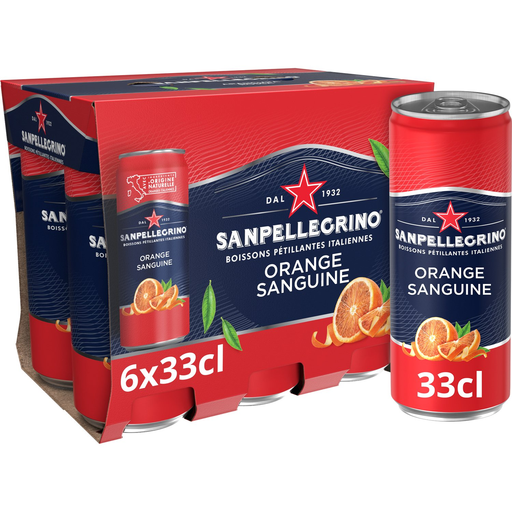 Image unavailable
For serving sparkling blood orange drink in individual portions. It’s a drink containing juice, not pure orange juice.
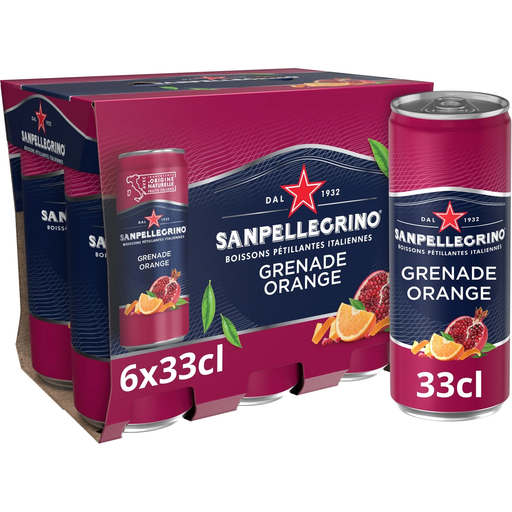 Image unavailable
For anyone who wants fizz and a blend of orange and pomegranate in individual cans. The pomegranate makes it different from an orange-only drink; it isn’t pure orange juice.
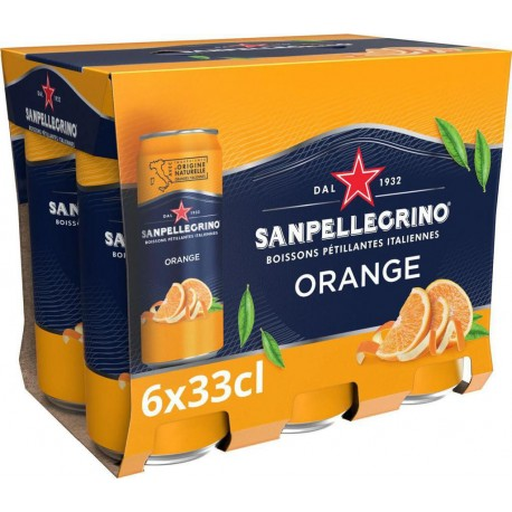 Image unavailable
For serving sparkling orange drink in individual portions. This product is made with orange juice from concentrate, so don’t confuse it with pure juice.
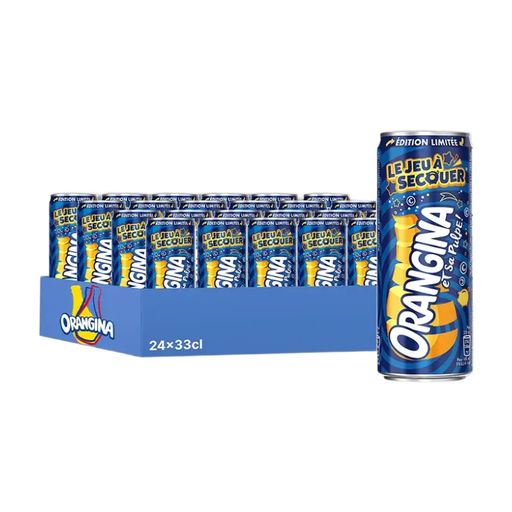 Image unavailable
For serving cans when the number of portions suits your group. This sparkling drink contains orange juice and other citrus fruits, as well as pulp; it isn’t pure juice.
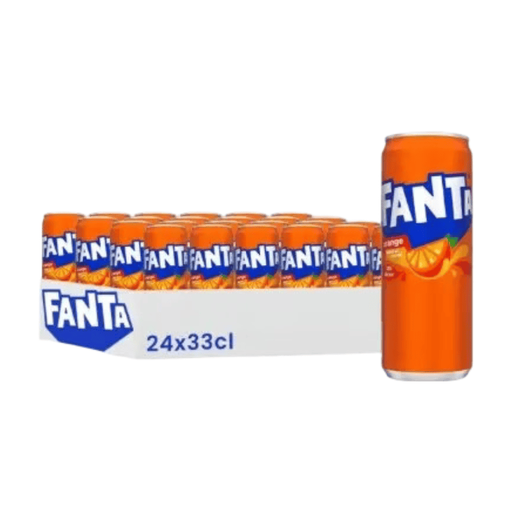 Image unavailable
For serving fizzy orange drink in cans when this pack size suits your group. It contains orange juice but isn’t pure juice; check the label to compare sugars per 100 ml and per can.
Check that it’s described as sparkling or fizzy, or that carbon dioxide appears in the ingredients list. Don’t assume it’s fizzy just because it says “orange”: the pure juices stocked by Carrefour, E.Leclerc and Auchan are a different option from the sparkling Aranciata Rossa described by Sanpellegrino.
No. Containing juice doesn’t make a drink pure juice. The DGCCRF distinguishes between the product descriptions for juices and nectars; for example, Sanpellegrino describes Aranciata Rossa as a sparkling drink containing orange juice and blood orange juice from concentrate. Read the description and ingredients of the product you’re considering.
Start with the number of people and decide whether you’ll serve individual cans or pour from a bottle. According to Sanpellegrino, Aranciata Rossa is available in 33 cl cans, while Carrefour and Auchan also stock bottles of pure juice for sharing. Add up the volume of the packs you choose, and consider a still option if your group has different preferences.
When comparing pure juice, nectar and sparkling drinks in France, start with the product description, ingredients list and nutritional information. The DGCCRF identifies these as elements of food labelling; for the way you plan to serve the drink, also compare the net quantity and sugars per serving.