
Livraison le jour même ou le lendemain

Qualité garantie

Débloquez vos offres de bienvenue: Livraison GRATUITE | Jusqu'à -80 % | 30 jours d'essai gratuits à JoyPlus
Téléchargez l'application
Choosing a fruit-flavoured soft drink seems simple: spot an appealing flavour and add it to your basket. Yet the differences between a fizzy fruit drink, a sugar-free soft drink, a reduced-sugar recipe and a lemon lemonade can be far from insignificant.
Whether you are buying for home, the office, a party or a family meal, three mistakes come up time and again:
Start by checking the nutrition table per 100 ml, then calculate the amount for the container you have chosen. A 330 ml can may therefore contain considerably more sugar than a value shown for a smaller serving might suggest.
Classic recipes often contain sugar, glucose-fructose syrup or fructose. Sugar-free versions may use acesulfame K, sucralose or other sweeteners. Their taste and mouthfeel are not necessarily the same as those of a traditional soft drink.
Drinks enriched with prebiotic fibre also require a close look at the label. Some products, for example, state that they contain 6.6 g of fibre per 330 ml can, thanks to the addition of chicory inulin. This ingredient describes the product’s composition, but is not a medical claim: if you are sensitive to certain ingredients, take the time to check the full list.
The phrase “fruit-flavoured” may refer to a drink containing concentrated juice, natural flavourings, flavourings or a combination of these ingredients. The order in which they appear on the label already provides a useful indication of the recipe.
For a citrus drink, look for lemon, orange or lime. Those who prefer rounder flavours can opt for strawberry, cherry, peach, watermelon or lychee. Red-berry soft drinks often combine several notes, such as raspberry, strawberry and various berries.
Taste is, of course, a matter of personal preference. An orange recipe with pulp will often seem fruitier, while a lychee, melon or pineapple soft drink will tend to focus more on floral or tropical notes.
A pack of 330 ml cans is practical for everyday meals, breaks and individual servings. If you drink them regularly or are preparing for an event, buying in bulk can reduce the price per can. However, you will need a dry place away from heat.
Before placing your order, remember to calculate the total volume:
Store drinks away from heat and direct light. Once opened, refrigerate them and drink them promptly, following the instructions on the packaging.
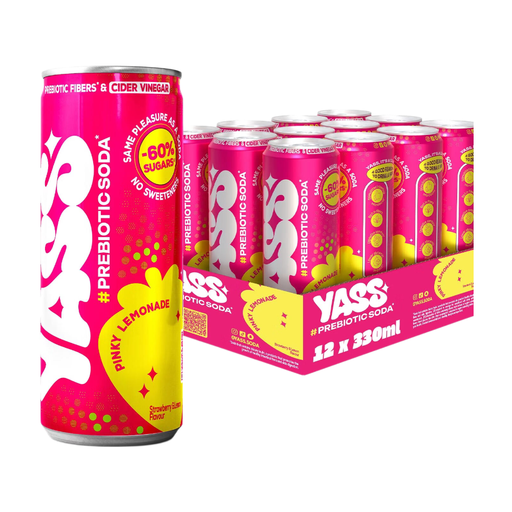
Why this choice suits this profile : With 12 cans, this pack lets you try a fruity recipe without immediately filling your cupboard. The flavour combines strawberry and lemon.
The product listing states 60% less sugar than traditional soft drinks, as well as 10.9 g of sugar per can. This clear figure helps put the claim into perspective.
12 x 330 ml cans, 6.6 g of fibre stated per can and no artificial sweeteners, as indicated in the listing.
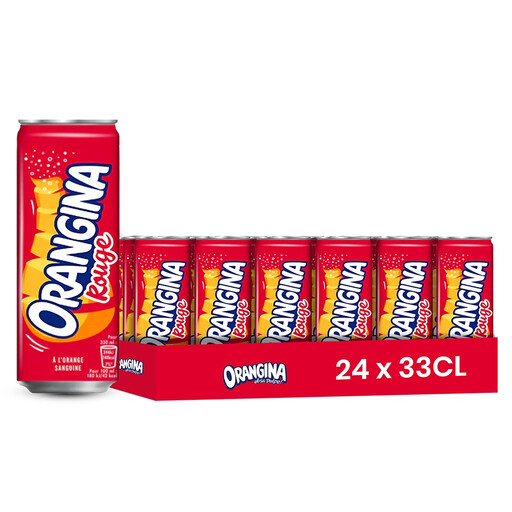
Why this choice suits this profile : This large pack combines orange and red berries, with concentrated fruit juice and practical packaging for serving at the table.
The ingredients clearly specify the presence of orange juice and red-berry juice. The listing states approximately 4.3 g of sugar per can.
24 x 330 ml cans, totalling 7.92 litres, with a fizzy recipe blending citrus and red berries.
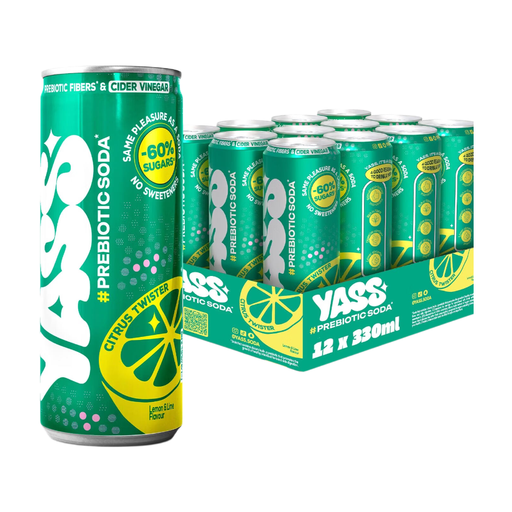
Why this choice suits this profile : Its lemon and lime flavour and stated prebiotic fibre content will appeal to those looking for a particular composition, whether at the office or at the table.
The listing clearly distinguishes between the reduced sugar content, the 10.9 g of sugar and the 6.6 g of fibre per can. There is therefore no risk of confusing a reduced-sugar recipe with a sugar-free drink.
Lemon and lime flavour, 57 kcal per can according to the listing, and a pack of 12 x 330 ml cans.
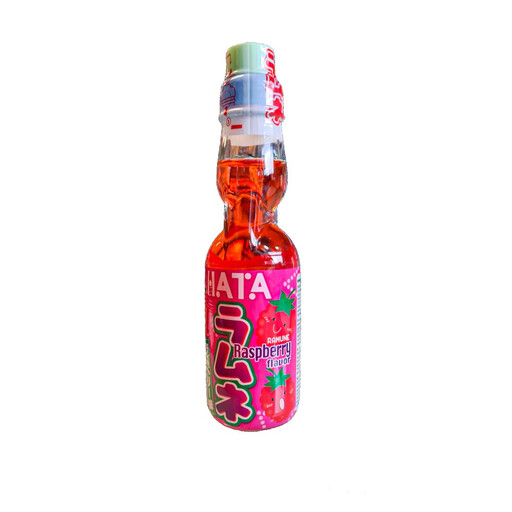
Why this choice suits this profile : Presented in a glass bottle with a marble stopper, this Japanese drink focuses on an individual serving size and presentation that works equally well for tasting, as a gift or on a party table.
The 200 ml volume is clearly stated, so you avoid buying a large quantity before you have even tried the raspberry flavour.
Ramune bottle with a marble-stopper closure, 200 ml and a fruity profile that is both smooth and tangy.
We have brought together a complete, real-time updated selection of products that meet these demanding criteria and European safety standards.
Compare the “of which sugars” line per 100 ml and for a whole can. A sugar-free soft drink may show 0 g of sugar while still containing sweeteners. Conversely, a reduced-sugar recipe generally retains a measurable amount of sugar. The best choice therefore depends on your taste and what you are looking for in the ingredients.
An opened can quickly loses some of its fizz. It is best to drink it straight away. If you need to keep it, refrigerate it and follow the packaging instructions: depending on the product, the recommended storage time is often limited to 24 or 48 hours.
They are particularly well suited to large families, offices, parties and group purchases. For one person or for trying several flavours, a pack of 12 cans — or an individual size such as the 200 ml Ramune — helps minimise waste and makes it easier to compare flavours.