
Livraison le jour même ou le lendemain

Qualité garantie

Débloquez vos offres de bienvenue: Livraison GRATUITE | Jusqu'à -80 % | 30 jours d'essai gratuits à JoyPlus
Téléchargez l'application
Fizzy fruit drinks come in individual cans, family-sized bottles or multipacks designed for big gatherings. Fruit sodas, lemonades, imported sparkling drinks and sugar-free recipes: to compare products without relying solely on marketing, the label remains your best ally.
A drink that tastes of mango, watermelon or strawberry doesn't necessarily contain much juice. Some recipes rely mainly on flavourings, sugar or sweeteners. So take the time to check the ingredients list and, where stated, the percentage of juice.
Jardin Blue Lemon Ade, for example, mentions 1% lemon concentrate, while DON SIMON orangeade contains 50% orange juice from concentrate and 5% orange pulp. Both drinks belong to the citrus family, but their composition is completely different.
A sugar-free drink may contain sweeteners such as acesulfame-K or sucralose. Conversely, a sweetened recipe may show a moderate carbohydrate count compared to other sodas. Start by checking the values per 100ml, then work them out for the actual volume of the can.
CALYPSO Berry Bloom Zero, for instance, shows 2kcal and 0g of sugars per 100ml. Meanwhile, NOW COCO Peach & Mango contains 15kcal and 3.3g of sugars per 100ml. These figures let you compare products on a concrete basis, without being swayed by their marketing claims.
A multipack of fizzy drinks can be very handy for a birthday party, a picnic or a large family. But a pack of 24 cans takes up space and needs to be consumed before the date on the packaging. For occasional use, a 230ml to 370ml format is often easier to store and serve.
Start with the nutritional values per 100ml, then check the per-portion column if available. A 330ml can containing 7g of sugars per 100ml works out at around 23g of sugars in total. This is the case with SOOFTY Strawberry.
For a sugar-free alternative, also look at which sweeteners are used. Their presence doesn't mean the drink contains sugar, but it does affect the recipe's composition and taste.
Terms like "juice from concentrate", "natural flavouring" and "extract" don't all mean the same thing. The presence of juice alone doesn't make a drink a better-quality product. Examine the order of ingredients, the stated juice content and the sugar level.
Prebiotic sodas such as SODA YASS or VAÏVAÏ contain chicory inulin, a plant fibre. SODA YASS states 6.6g of fibre per 330ml can, for around 57kcal per can. These details tell you about the product's composition — they are not a medical claim.
A 250ml can is well suited to individual consumption, while a pack of 12 or 24 units is more for stocking up. Once opened, follow the instructions on the packaging: several brands recommend keeping the drink in the fridge and consuming it quickly.
Serve fizzy fruit drinks well chilled and avoid shaking them. On delivery, also check imported bottles and cans for any leaks, dents or expired dates.
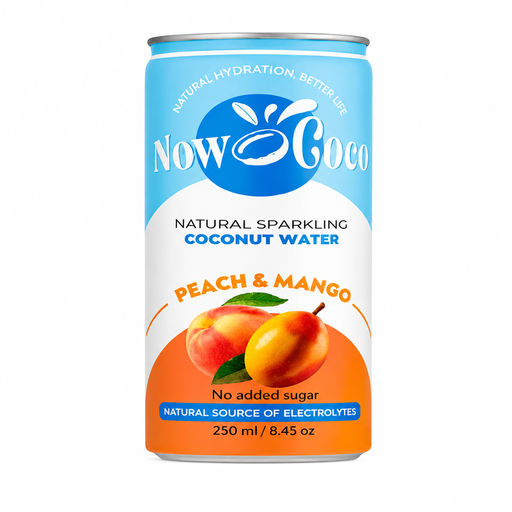
Why this suits this profile: At 250ml, this can lets you try a sparkling coconut water with peach and mango flavours without committing to a large multipack straight away.
The nutritional information is clearly stated: 15kcal and 3.3g of sugars per 100ml. The recipe also specifies the presence of sucralose.
250ml can, coconut water, peach juice and mango juice, with no declared allergens.
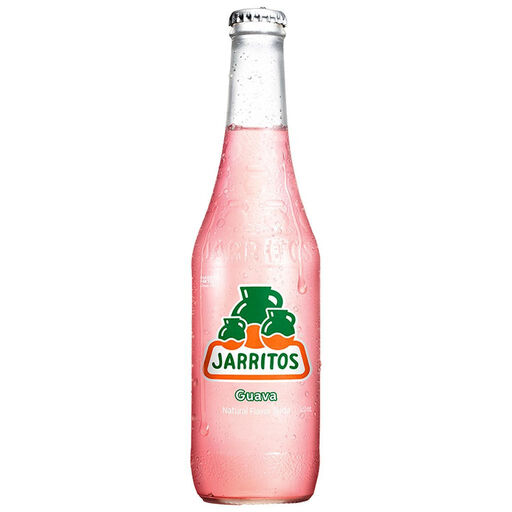
Why this suits this profile: This international brand stands out with its guava flavour and 370ml format, ideal for occasional enjoyment.
The listing shows 29kcal and 7g of sugars per 100ml — a concrete benchmark so you don't confuse taste experience with a lighter recipe.
Guava flavour, carbonated water, stated natural flavourings and a 370ml bottle.
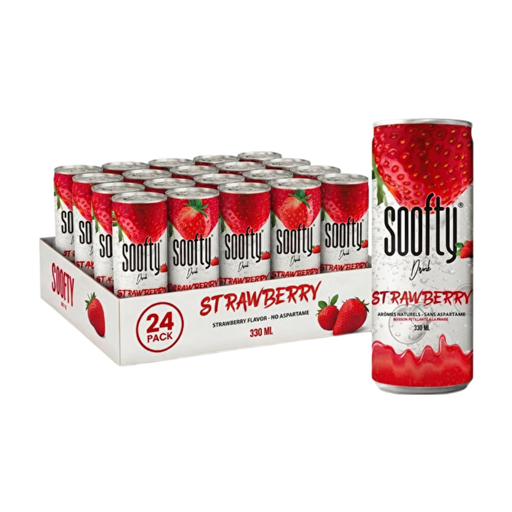
Why this suits this profile: Its pack of 24 x 330ml cans is ideal for events, offices, family meals and home stocking.
The total volume is clearly stated: 24 × 330ml, i.e. 7.92 litres. The listing also specifies the absence of aspartame and details the other sweeteners used.
Practical individual format, strawberry flavour, approximately 28kcal and 7g of sugars per 100ml.
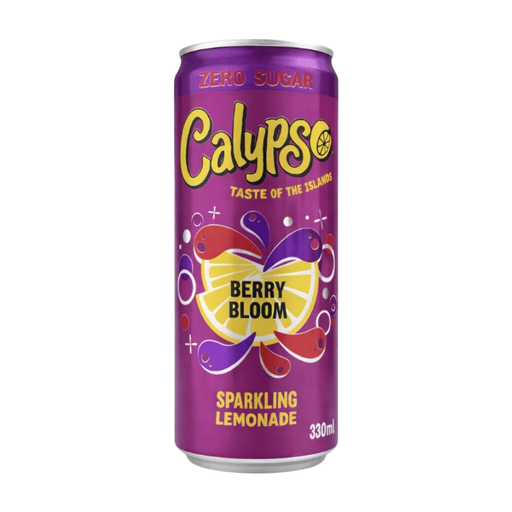
Why this suits this profile: Its 330ml can combines a lemon base, berry notes and a sugar-free recipe.
The nutritional information shows 0g of sugars and 2kcal per 100ml. The presence of acesulfame-K and sucralose is clearly stated.
Sparkling lemonade, 0g of sugars, no declared allergens and an easy-to-carry format.
We've put together a comprehensive, real-time updated list of products that meet these strict selection criteria and European safety regulations.
For an event, start by working out the number of people, the volume of each can and the space available in the fridge. Packs of 12 or 24 x 330ml cans are practical for individual servings. Plan for several flavours — lemon, grape, strawberry or tropical, for example — to suit everyone's tastes.
Not necessarily. A recipe may show a very low energy value, but only the nutritional declaration lets you verify this. CALYPSO shows 2kcal per 100ml and 0g of sugars. Also check the sweeteners used and whether any juice is present.
Follow the manufacturer's instructions. Some brands recommend keeping the drink in the fridge and consuming it within 24 to 48 hours. Once the bottle is opened, the bubbles gradually escape: reseal it carefully where possible and avoid leaving the drink at room temperature.