
Livraison le jour même ou le lendemain

Qualité garantie

Débloquez vos offres de bienvenue: Livraison GRATUITE | Jusqu'à -80 % | 30 jours d'essai gratuits à JoyPlus
Téléchargez l'application
Fizzy fruit drinks rely on flavours like peach, strawberry, cherry, melon and citrus to catch your eye. But a colourful can and a pretty picture of fruit aren't enough to make an informed choice. Between the very sugary recipes, sweeteners, large formats and imported drinks, some essential details can easily slip under the radar.
Before you buy a fruity soda for home, a party or a non-alcoholic cocktail, it's worth keeping three common pitfalls in mind.
A drink can show a strawberry, watermelon or peach on its packaging while being made mostly of carbonated water, sugar, flavourings and citric acid. The actual amount of juice – if there is any – is found in the ingredients list.
For example, the OKF Strawberry Flavour Sparkling Drink contains 0.4% strawberry juice, while the OKF Watermelon Sparkling Drink has 0.5% watermelon juice. So the taste also comes largely from added flavourings. That's not necessarily a problem, as long as you're buying the drink for its flavour profile and not because you think you're choosing the equivalent of a fruit juice.
Sugar-free sparkling drinks often use sweeteners such as stevia, aspartame, acesulfame K or sucralose. Their energy content may differ, but their taste and mouthfeel don't always match those of a classic soda.
Also take the time to check that the front of the pack and the nutrition table tell the same story. Information can vary from one batch to another. If in doubt, the label printed on the product you receive is what counts.
A pack of cans is very handy for a party or for building up a family stash. However, a carton of 24 units takes up space and weighs a fair amount. A 1.5-litre bottle is better for a shared meal, but it quickly loses its fizz once opened.
The right format depends on how you'll use it: individual consumption, entertaining, the office, a picnic or making your own drinks at home.
Start by comparing the values per 100ml, then scale them up to the amount you actually plan to drink. The Tomomasu HOUJYUN White Peach Soda, for example, has 8.9g of sugar per 100ml and 39kcal. So a 300ml bottle isn't the same portion as a 330ml or 350ml can.
According to its product sheet, Schweppes Citrus contains 4.4g of sugar and 19kcal per 100ml. Its recipe also includes acesulfame K and sucralose. For a fruity soda you drink regularly, look at these three things at a glance: the sugar, the sweeteners and the total volume you'll consume.
The ingredients list should help you identify:
Imported recipes, particularly some Japanese or Korean sodas, sometimes use original flavours – melon, yuzu, ginger or apple. However, do check the information on the labelling intended for the European market.
A 250ml to 350ml can helps you control the serving size and is easy to carry. A 1.5-litre bottle is more suited as a table drink or a base for cocktails. For a party, a pack of cans makes serving simple and lets everyone grab their own.
For a non-alcoholic cocktail, choose a drink whose flavour stays clearly identifiable after adding ice, juice or syrup. Bases like Piña Colada or ginger drinks can also be combined with sparkling water, depending on the recipe.
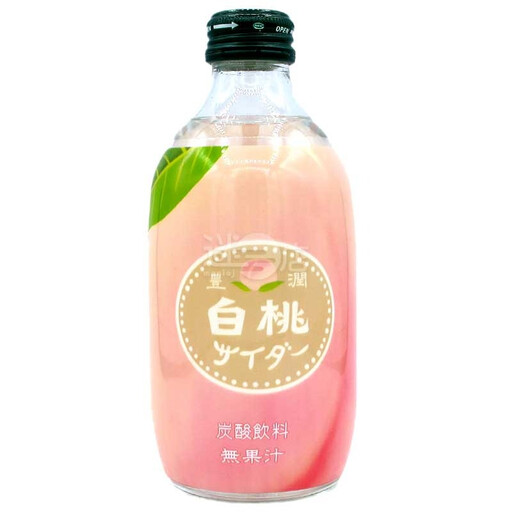
Why this choice suits this profile: At 300ml, this bottle lets you discover the white peach flavour without being left with a large stock. It's best enjoyed well chilled or can be used as a base for a homemade creation.
The product sheet clearly states it's a sugary drink, with 8.9g of sugar per 100ml. No "zero sugar" promise to read between the lines.
Individual 300ml format, white peach flavour and no declared allergens on the product sheet provided.
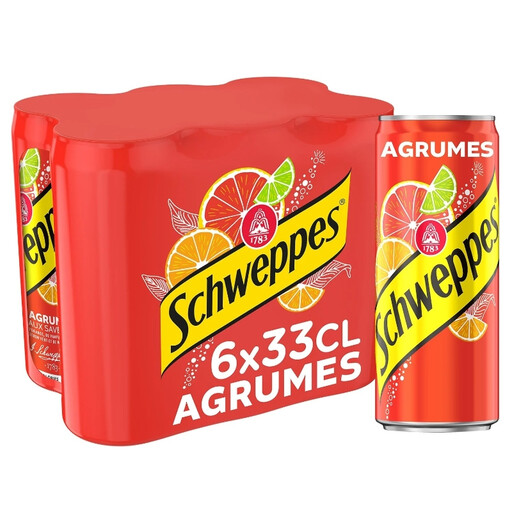
Why this choice suits this profile: Its blend of orange, grapefruit and lime works just as well enjoyed on its own as it does in a cocktail.
The product sheet details the citrus fruits, sugars and sweeteners. So you can check that the recipe matches what you're after before ordering.
Pack of 6 x 330ml cans, 19kcal and 4.4g of sugar per 100ml according to the product sheet.
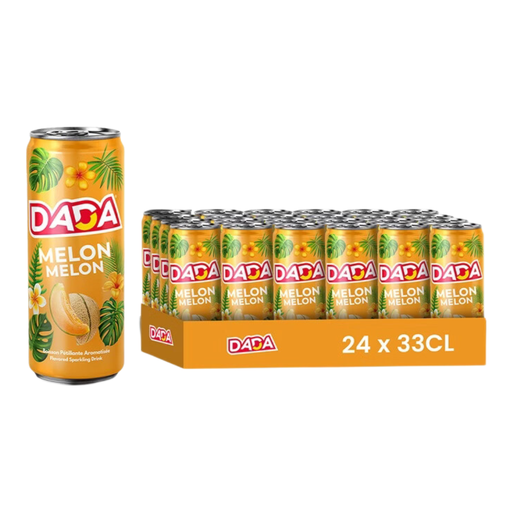
Why this choice suits this profile: The carton of 24 x 33cl cans is designed for parties, offices, families or anyone who prefers to have a stock on hand.
The format is clearly stated, so you can plan your quantities. However, do check the label when it arrives: the product sheet mentions both zero sugar and 23kcal per 100ml.
24 melon-flavoured cans, with carbonated water and sweeteners listed in the ingredients.
To mix things up, the range also offers strawberry, cherry, lemon and watermelon drinks. The QDOL Pokémon range features non-alcoholic cocktail profiles like ginger-apple, mint or mojito, in packs of 24 cans. If you prefer to make your own blends, you could also look at the GOYA Piña Colada Mix or the Pure Divine Ginger Mule. Please note, however: the latter contains 15% vol. alcohol. So it is not a non-alcoholic drink, and the French rules applicable to alcoholic beverages must be observed.
We've put together a complete selection, updated in real time, of products that meet these demanding criteria and European safety regulations.
Go for a sparkling drink with citrus, ginger, mojito or yuzu. Schweppes Citrus can work as a mixer, while a QDOL ginger and apple drink will add a more original touch. If the cocktail is for the whole family, always check the label to make sure it's alcohol-free.
Cans of 250ml to 350ml are easy to serve, simple to carry and avoid having to store an opened bottle. 1.5-litre bottles are better for meals and large groups, but they need to be refrigerated after opening and consumed quickly to keep maximum fizz.
Put it in the fridge, seal it tightly and follow the manufacturer's recommendations. An opened fizzy drink gradually loses its carbonation. For a party, smaller individual formats are often more practical: they limit this problem and let you serve each guest when you're ready.