
Livraison le jour même ou le lendemain

Qualité garantie

Débloquez vos offres de bienvenue: Livraison GRATUITE | Jusqu'à -80 % | 30 jours d'essai gratuits à JoyPlus
Téléchargez l'application
Fizzy fruit drinks catch your eye with their colours, exotic scents and fine bubbles. But a tempting can doesn't always mean the ingredients live up to your expectations. Whether it's for an aperitif, a family meal, a party or simply to stock the cupboard, a few quick checks are all it takes to avoid nasty surprises.
Labels that say "strawberry", "mango" or "dragon fruit" often describe a flavour, not a significant amount of juice. Always check the ingredients list and the percentage of juice or purée. For example, OKF Strawberry drink contains 0.4% strawberry juice, while Fanta Mango & Dragon Fruit mentions 0.1% mango juice and 0.1% dragon fruit purée.
These figures don't prejudge the taste, but they let you know exactly what you're buying: a flavoured soda with a limited amount of fruit, or a drink with a higher proportion of juice.
A lower-calorie recipe may contain sweeteners. Conversely, a drink that contains sugar can show different nutritional values depending on its size and recipe. To compare properly, always look at the data per 100 ml, rather than the figure for the whole bottle.
The differences can be significant from one product to another: Schweppes Citrus shows 3 kcal and 0.7 g of sugar per 100 ml, Fanta Exotic has 53 kcal and 13.2 g of sugar, while Fruit Shoot Tropical contains 23 kcal and 5 g of sugar. Each has its own profile – the right choice depends on your taste and how often you drink it.
A 1.5-litre bottle is handy for serving at the table, but it quickly loses its fizz once opened. 33 cl cans make it easier to control portions during a meal or party. 200 ml bottles, like Japanese ramune, are great for a one-off treat, but less suited to building up a family stock.
Before placing an order, also check the best-before date, storage conditions and instructions after opening. As a general rule, an opened drink should be kept in the fridge and consumed quickly, following the label's guidance.
Ingredients are listed in descending order by quantity. Look out for sugar, glucose-fructose syrup, juices, flavourings, sweeteners and preservatives. The product sheets shown here generally state "allergens: none", but only the printed label is definitive if the recipe changes.
Some drinks carry specific warnings. For example, DADA cherry and strawberry sodas mention a source of phenylalanine, linked to the presence of aspartame. Products containing certain colourings, such as E102, must also display the statutory warning about activity and attention in children.
To compare a strawberry soda, a citrus soda or a tropical drink, use the same benchmarks:
A refreshing drink can be part of a sociable moment, but it doesn't replace water in your daily routine. For children, carefully read the recommendations and warnings on the packaging.
For a party, packs of 24 × 33 cl sodas make serving and storing easy. For a lunch or picnic, a pack of six cans or small bottles cuts down on leftovers. A large 1.5-litre bottle of Schweppes Citrus is better suited to sharing around a table.
Also think about serving temperature: several products are best enjoyed very chilled. So make sure you have enough room in the fridge before the festivities begin.
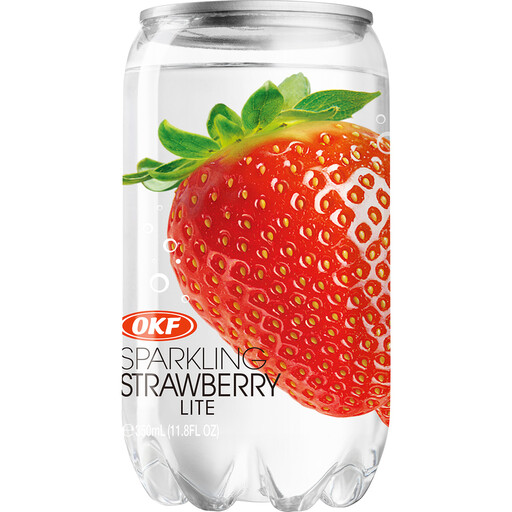
Why this choice suits this profile: Its individual 350 ml format lets you try a strawberry soda without committing to a large multipack straight away.
The product sheet clearly states 0.4% strawberry juice and 36 kcal per 100 ml. That helps you tell the difference between a fruity flavour and the actual juice content.
350 ml can, fizzy strawberry recipe and stores at room temperature before opening.
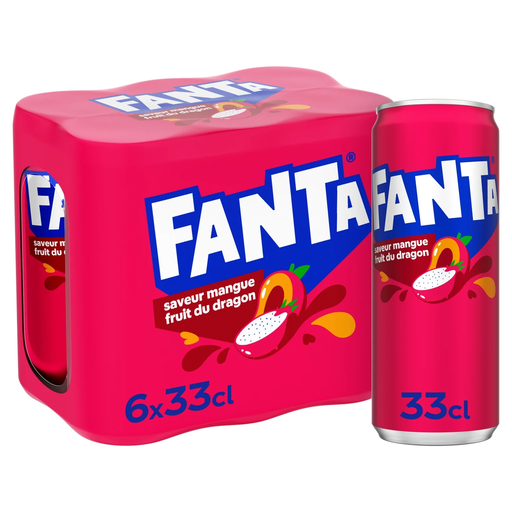
Why this choice suits this profile: This multipack combines mango and dragon fruit in a sleek format, ideal for an original tasting at a brunch or reception.
The product sheet distinguishes the juice proportions and shows 26 kcal per 100 ml. So the exotic imagery won't be mistaken for a high fruit concentration.
Six slim 33 cl cans, light bubbles and a mango-dragon fruit combination.
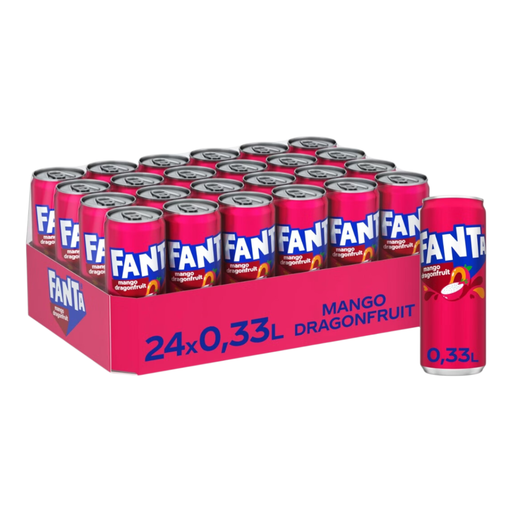
Why this choice suits this profile: With 7.92 litres of drinks, this large format is ideal for an event, an association or a household that regularly enjoys soft drinks.
The total volume and number of cans are listed separately, which helps you estimate your needs and avoid running out of drinks.
24 cans of 33 cl, easy storage and a recipe stated at 26 kcal per 100 ml.
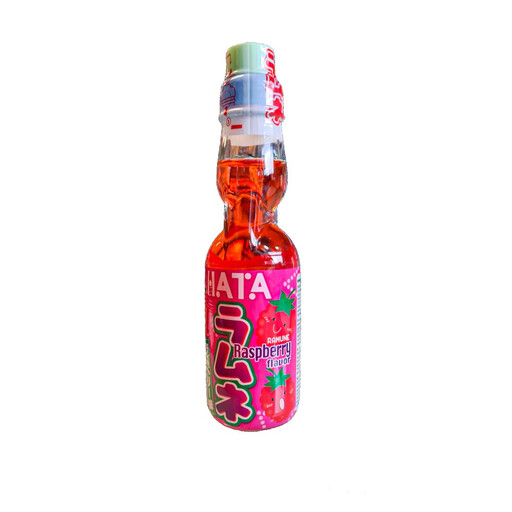
Why this choice suits this profile: Its glass bottle with a marble stopper offers an original Japanese presentation, perfect for a themed evening or a tasting experience.
The 200 ml volume is clearly stated: you're choosing a discovery portion rather than a large bottle that's hard to finish once opened.
Marble bottle, sweet and tangy raspberry flavour, and keeps in the fridge after opening.
A fruit drink can be still or sparkling and contain a variable amount of juice. A fruit soda is generally a sweetened or artificially sweetened fizzy drink, flavoured with a fruit. The ingredients list and the percentage of juice will help you tell the difference.
33 cl cans are easy to hand out and avoid passing a single bottle around. For a large event, a pack of 24 cans makes portion calculations simple. 1.5-litre bottles can be more practical at the table, as long as they're kept chilled after opening.
Follow the manufacturer's instructions. Some products recommend drinking immediately, while others allow storage in the fridge for one to two days. Reseal the bottle or can where possible, then check the appearance, smell and taste before serving.