
Livraison le jour même ou le lendemain

Qualité garantie

Débloquez vos offres de bienvenue: Livraison GRATUITE | Jusqu'à -80 % | 30 jours d'essai gratuits à JoyPlus
Téléchargez l'application
Fizzy drinks have a place at the table, during breaks and at events. But choosing between a soft drink, lemonade, flavoured sparkling water or an imported drink is about more than spotting an attractive label. An unsuitable size, underestimated sugar content or incorrect storage can quickly turn an appealing purchase into an awkward surplus.
Before filling your basket, here are the most common pitfalls and the criteria to consider when comparing products properly.
An illustration of fruit or a claim such as “natural flavour” does not guarantee that the drink contains a significant amount of juice. The ingredients list remains the best source of information. For a fruit soft drink, check whether it contains juice or concentrate, as well as where sugar, sweeteners, acidity regulators and flavourings appear in the list.
Two drinks with very similar packaging can therefore have completely different recipes.
A case of 24 cans may seem ideal for a party or family, but you need enough storage space and be able to get through a substantial quantity of drinks. Smaller sizes are often better suited to occasional consumption, individual meals or taking drinks with you.
Always compare the total volume, number of units and price per litre. The price shown on the product page alone is not enough to assess an offer.
Cans, glass bottles and sachets for dilution meet different needs. Glass can be more enjoyable to serve from, but it is also heavier and more fragile. Cans are easy to store, while a 230 ml sachet may suit an individual serving, provided you follow the instructions on the packaging.
Once opened, most chilled drinks should be consumed quickly. For products that need to be kept in the fridge, follow the manufacturer’s recommendations and check that the container is intact before drinking.
The nutrition table generally states the amount of sugars per 100 ml. You then need to relate this to the volume actually consumed. A 330 ml can may therefore contain considerably more sugar than the amount stated for a 100 ml glass.
Some drinks contain sugar only, while others combine sugar and sweeteners. If you want to limit your sugar intake, choose products whose ingredients are clearly listed, such as an unsweetened flavoured sparkling water. This is simply a food comparison criterion, not medical advice.
For an event, also consider the storage space required, how the drinks will be served and how the packaging will be sorted. Recycling instructions should be checked directly on the packaging supplied.
Cola remains a reliable favourite, but Asian and international drinks offer the chance to try something different: strawberry and milk in a Korean drink, orange in Japanese ramune, mango or Mexican cola, iced tea with honey, lemon, cherry, peach or watermelon.
Remember to check the declared allergens. Milkis Strawberry contains milk, while Vitamalt Classic contains barley and therefore gluten. In the event of an import or recipe change, only the information shown on the packaging is authoritative.
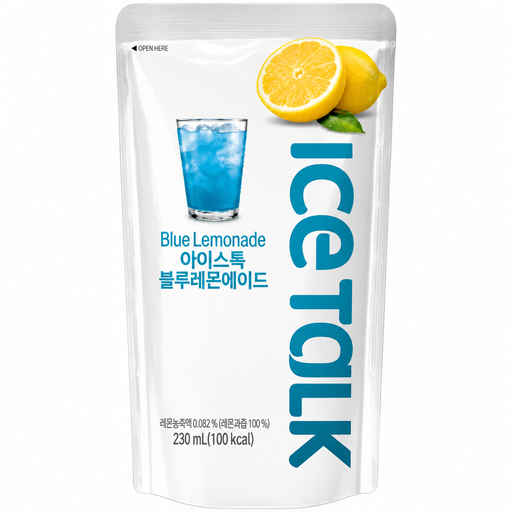
Why this choice suits this profile : At 230 ml, this sachet lets you try a lemon drink without immediately buying a large supply. The portion size is clearly defined.
The individual size means you will not be left with a large case before you even know whether you like the lemon flavour.
Lemon drink, 230 ml, no declared allergens, with 43 kcal and 12.6 g of sugars per 100 ml according to the product information.
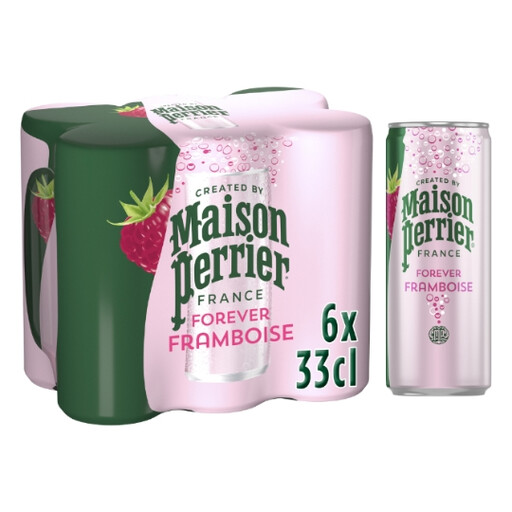
Why this choice suits this profile : This naturally sparkling mineral water, flavoured with raspberry, is ideal for serving stylishly at home or in the office.
The product information clearly states that it contains no sugar, calories or sweeteners. You cannot simply rely on the promise of a fruity flavour.
Pack of 6 x 330 ml cans, 0 kcal and 0 g of sugars per 100 ml according to the information provided.
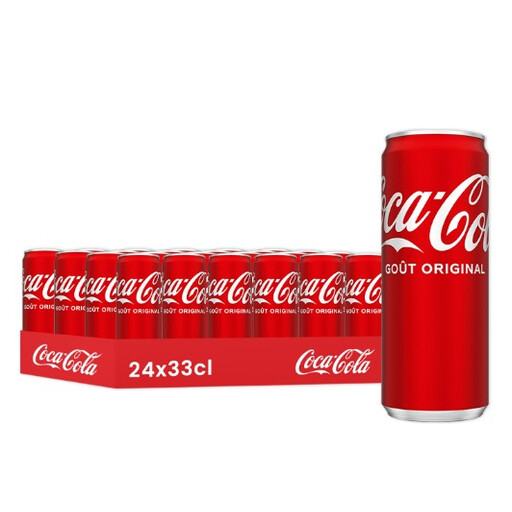
Why this choice suits this profile : This case of 24 x 330 ml cans is made for parties, large gatherings, offices or regular stocking up.
The pack size and volume of each can are stated clearly, making it easy to calculate the quantity needed before ordering.
24 cans, 7.92 litres in total, packaging stated to be recyclable and 139 kcal per 330 ml can according to the product information.
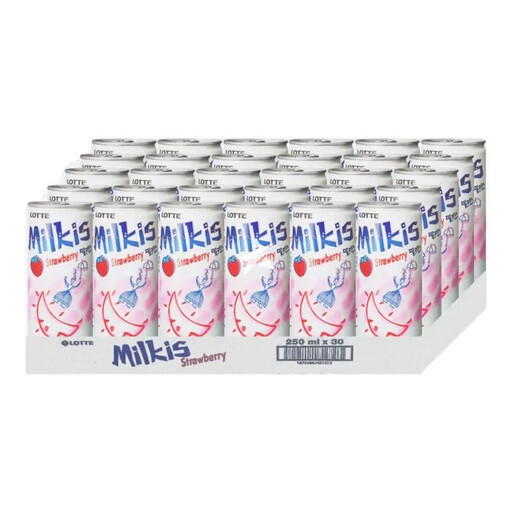
Why this choice suits this profile : With 30 x 250 ml cans, this original Korean drink is a great way to vary your tasting options and easily prepare for a snack or get-together.
The smaller size makes serving easy, while the presence of milk is clearly stated to avoid any unpleasant surprises.
Strawberry flavour, a texture reminiscent of a milky drink, 30 x 250 ml cans and best served well chilled.
Estimate the number of guests, the length of the event and whether other soft drinks will be available. 330 ml cans are easy to hand out, while a pack of 24 is suitable for larger gatherings. If people have varied tastes, provide several flavours.
An opened can quickly loses its fizz, so it is best to drink it without waiting too long. If you need to keep it, place it in the fridge and follow the instructions on the packaging. Guidance may vary for drinks sold in bottles or sachets.
Some are, but the nutrition table must be checked on a case-by-case basis. A drink may contain sweeteners while showing little or no sugar. Compare the values per 100 ml and for the portion actually consumed, without forgetting the allergens and ingredients listed on the label.