
Livraison le jour même ou le lendemain

Qualité garantie

Débloquez vos offres de bienvenue: Livraison GRATUITE | Jusqu'à -80 % | 30 jours d'essai gratuits à JoyPlus
Téléchargez l'application
Fancy a change from classic lemonade and your usual fizzy drinks? Fizzy and fruit drinks offer plenty of variety, with recipes featuring lychee, pineapple, melon, red berries or citrus fruits. However, with promises of “tropical” flavours, family-sized formats and imported products, comparing different options is not always straightforward.
Whether you are buying for home, a party, a restaurant or a shop, three common pitfalls are worth avoiding:
Start by identifying the product category:
Claims such as “pineapple flavour” or “tropical taste” should always be checked against the ingredients list. Some products contain concentrated juice, while others rely mainly on flavourings and fruit or vegetable concentrates.
To compare two recipes properly, use the same basis for calculation. In particular, check:
For example, the information provided for TING Tropical states 19 kcal and 4.4 g of sugars per 100 ml. By contrast, a 330 ml can of Oasis Strawberry lists 31 kcal and 7.4 g of sugars per 100 ml. These figures are not medical advice; they are simply intended to make it easier to compare recipes on a consistent basis.
For family consumption, also consider the size of the containers. A 330 ml can and a 250 ml bottle do not contain the same quantity, even if their values per 100 ml are similar.
The right pack size depends on how you plan to use it:
Unopened cans can generally be stored in a cool, dry place away from sunlight. Once opened, follow the instructions on the label: several products must be refrigerated and consumed quickly. The best-before date may vary from one batch to another. For imported drinks, also check that the mandatory information is provided in French, together with the identity of the responsible operator established in the European Union.
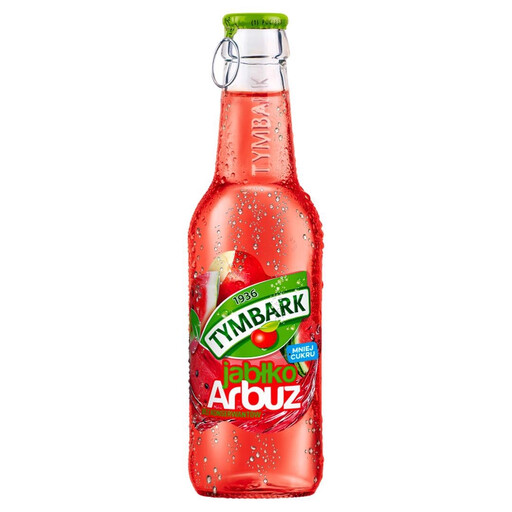
Why it suits this type of shopper : Its 250 ml format lets you try a Polish fruit drink without committing to a large multipack straight away. The recipe combines 19 % concentrated apple juice and 1 % concentrated watermelon juice.
The limited volume reduces the risk of ending up with a pack that is too large before you have confirmed that you like the flavour. The label also specifies the storage conditions after opening.
Individual 250 ml format, still drink, 19 kcal and 4.6 g of sugars per 100 ml according to the available information.
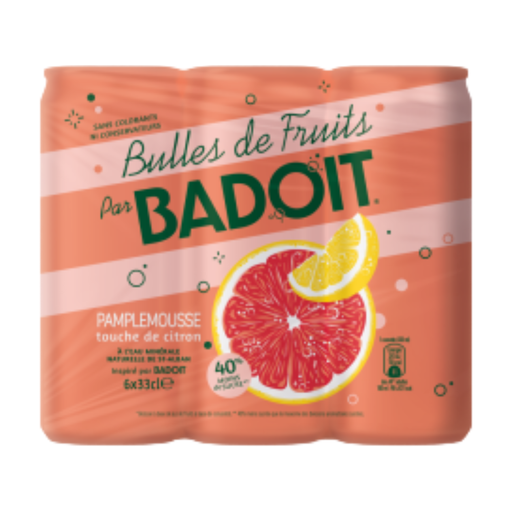
Why it suits this type of shopper : This pack of six 330 ml bottles is designed for meals where you want a more refined presentation than a classic soft drink, while still enjoying fizz and grapefruit and lemon notes.
The six-unit format helps prevent overbuying for occasional use, while the ingredients list lets you check for sugar and concentrated juice.
Six 330 ml bottles, natural mineral water, natural flavourings listed and a fruity grapefruit and lemon profile.
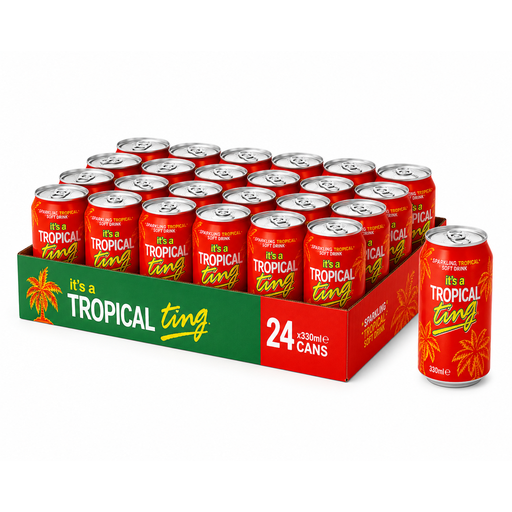
Why it suits this type of shopper : The pack of 24 330 ml cans is ideal for parties, restaurants, barbecues and households looking to stock up on tropical drinks.
The number of units is clearly stated, making it easier to calculate how many you need. Nutritional values are given per 100 ml and the date appears on the packaging.
24 x 330 ml cans, 19 kcal and 4.4 g of sugars per 100 ml according to the product details, best served well chilled.
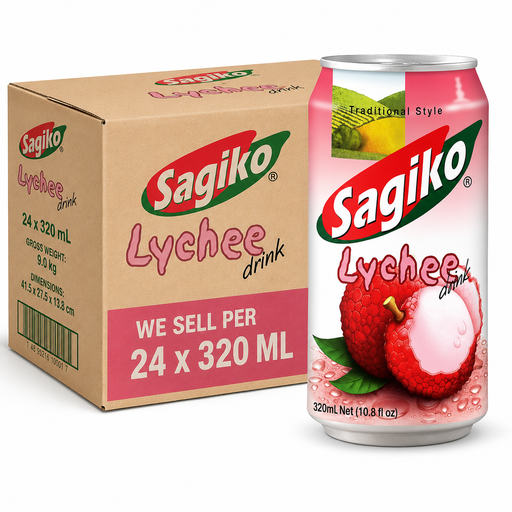
Why it suits this type of shopper : This Vietnamese multipack delivers a distinctive lychee flavour. It can be served with an Asian meal, at a party, or used to prepare cocktails and alcohol-free drinks.
The product details specify the total volume, origin and proportion of lychee purée. This helps you distinguish the flavour promise from the information that can actually be measured.
24 x 320 ml cans, 7.5 % lychee purée listed, suitable for serving chilled or preparing drinks.
For an event, consider the number of guests, the expected duration and the other drinks available. Packs of 24 330 ml cans, such as TING Tropical or Tropico, make serving and stock calculations easier. If you do not know the guests’ preferences, provide several flavours.
No, recipes can vary considerably. Vimto Red lists 50 kcal and 12.6 g of sugars per 100 ml, while some TING products show lower values and contain a sweetener. The label on the product you receive remains the only reference to check before drinking it.
An opened can should generally be consumed quickly. For bottled fruit drinks, place the container in the fridge and follow the time limit stated on the packaging. Unopened products should always be stored in a cool, dry place away from light.