
Livraison le jour même ou le lendemain

Qualité garantie

Débloquez vos offres de bienvenue: Livraison GRATUITE | Jusqu'à -80 % | 30 jours d'essai gratuits à JoyPlus
Téléchargez l'application
Picture frame, shelf, hairstyle, make-up or denture: fixing products aren't all used the same way. An adhesive strip designed for a wall has no place on skin, just as a long-lasting hairspray can't replace a mounting adhesive.
The most common mistakes come down to three confusions:
Before placing an order, start by identifying the use, the surface involved and the level of stress it will face. That way, you can compare products on solid grounds and avoid unsuitable purchases.
To hang a picture or frame, check the maximum load stated as well as the type of wall. Wall-mounting adhesive strips are generally suitable for smooth, clean, dry indoor surfaces. However, they are not suitable for wallpaper, vinyl, rough walls or freshly painted surfaces.
Command strips are designed for discreet application and clean removal, provided you follow the manufacturer's instructions. The Command Removable Picture Hanging Strips White Large model claims a capacity of up to 7.2 kg. The XL version intended for whiteboards supports a maximum load of 9 kg. These limits must not be exceeded, and surface preparation remains crucial.
For heavy objects or porous materials, a no-nails, no-screws fixing adhesive can be more appropriate. The Pattex product featured here is for indoor use on wood, brick, stone or plaster, with at least one of the materials to be bonded needing to be porous. Its maximum strength is reached after approximately 24 hours.
A practical fixative should be easy to apply, but also predictable when it comes to removal. Clean the surface thoroughly, remove any dust and follow the recommended pressing time.
With an adhesive strip, pull the tab slowly in the intended direction. With an adhesive, remove any excess immediately before it hardens. On a delicate surface, always test in an inconspicuous area.
Cosmetic products follow a completely different logic. A setting powder is applied in a thin layer to reduce shine and help your complexion stay in place. A make-up setting spray is misted from a distance with your eyes closed, while hairspray is exclusively for hair.
Read the label carefully, especially when it comes to aerosols, denture adhesives or products to be applied to the skin. Hairspray often contains alcohol and a flammable propellant gas. It should therefore be used in a well-ventilated area, away from any flame or heat source.
For an adhesive cream intended for dentures, follow the recommended amount and clean the appliance thoroughly before each application. If persistent irritation or an unusual reaction occurs, seek advice from a dentist or healthcare professional. A product description never replaces medical advice.
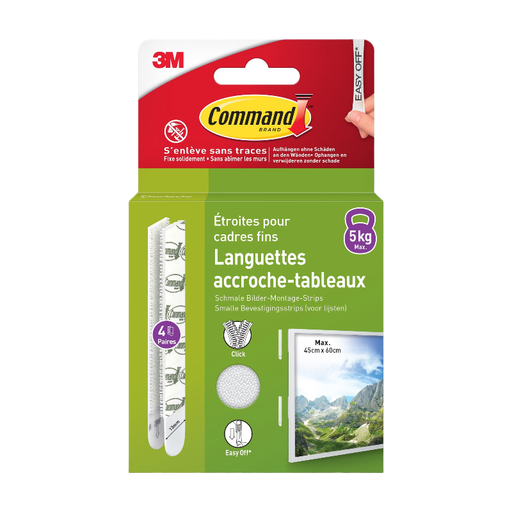
Why this choice suits this profile: A simple solution for hanging thin frames without a drill, ideal in a home where you want to avoid making lots of marks on the walls.
The format suits thin, removable frames. However, check the weight of the object and wall compatibility before application.
A discreet fixative behind the frame and removal designed to minimise marks.
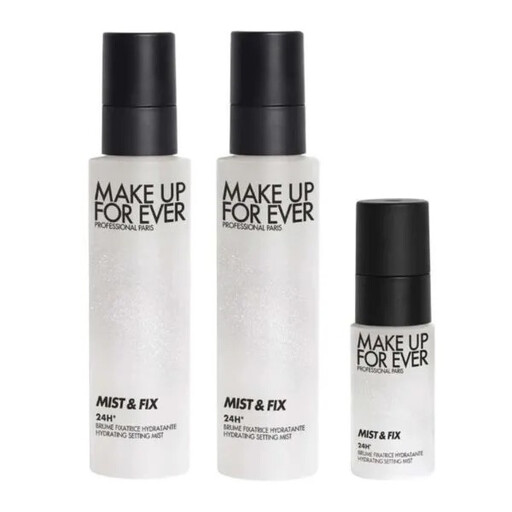
Why this choice suits this profile: This set is aimed at beauty professionals and users who move between home, travel and touch-ups.
The three formats avoid carrying a single large bottle and let you adapt the amount to the situation.
Two 100 ml bottles and a 30 ml format, with a fine mist as stated on the product page.
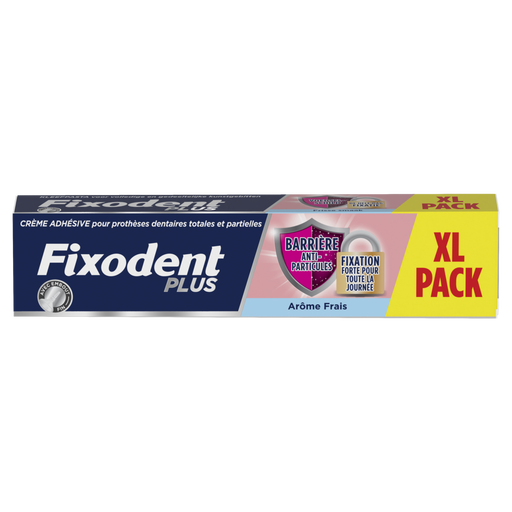
Why this choice suits this profile: Its fine nozzle makes precise application easy, whether for full or partial denture wearers.
The product page recommends precise application and not exceeding the advised amount.
The product is suitable for full and partial dentures, with a nozzle designed to apply the cream precisely.
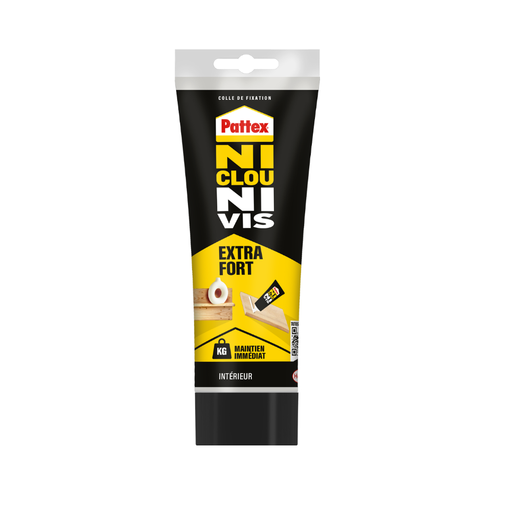
Why this choice suits this profile: This no-nails, no-screws fixing adhesive is suitable for indoor work on compatible surfaces, particularly for skirting boards, hooks or shelves.
The product page specifies compatible materials and excludes PE, PP, PTFE, silicone and continuous exposure to moisture.
A solvent-free formula designed for indoor use, with maximum strength developing after approximately 24 hours.
We've put together a comprehensive, real-time updated selection of products that meet these demanding criteria and European safety regulations.
For a hairstyle that needs to last all day, the long-lasting hold hairspray Franck Provost Professional Ultra Strong claims up to 72 hours of hold on its product page. It should be sprayed from around 30 cm away and requires the usual precautions associated with flammable aerosols.
If you're after a more flexible result, the Schwarzkopf Silhouette Flexible Hold Hairspray 750 ml is presented as a flexible, brushable hairspray with no visible residue. The choice therefore depends on the finish you want: firm hold or a style that stays moveable.
On the make-up side, the Avril Golden Pressed Powder 11 g comes as a magnetic refill. NARS and Make Up For Ever powders aim for a luminous finish and a matte look respectively. A make-up setting spray, such as MAC Fix Plus, is applied after make-up with your eyes closed, from a distance of 20 to 30 cm. If you have sensitive skin, do a patch test first and stop immediately if irritation occurs.
Choose adhesive strips suitable for the weight of the frame and the type of surface. Clean the wall, apply the strips following the instructions, apply the necessary pressure and wait the recommended time before hanging the object. Avoid damp, dusty, rough or freshly painted surfaces.
It depends on the expiry date, storage conditions and frequency of use. Check the packaging for the date and batch number. Do not exceed the recommended amount and seek advice from a dentist if discomfort persists.
No. Powder absorbs some shine and helps certain textures stay in place, while spray deposits a finishing mist over the whole face. The two products can be used separately or together, in moderation, depending on your skin type and the result you're after.