Households creating or renovating a fitted kitchen
Choose the installation type before considering washing functions: the recess, door panel and door movement determine whether an integrated model is suitable, as UFC-Que Choisir points out.


The right choice depends first and foremost on whether the recess, door panel, plinth and hinge system are compatible with the model you are considering. Choose a fully integrated dishwasher if the appliance needs to disappear behind the cabinetry, a semi-integrated model if you want to keep the control panel visible, or a freestanding model if no matching door panel is required. Then compare the energy label, water consumption per Eco cycle, noise level and repairability rating.
Choose the installation type before considering washing functions: the recess, door panel and door movement determine whether an integrated model is suitable, as UFC-Que Choisir points out.
Take the actual measurements of the recess, plinth height, depth and mounting system of the old door panel. Bosch recommends comparing these measurements with the installation diagram for the exact model.
Once installation has been confirmed, noise level, 45 cm or 60 cm width, capacity and Eco programme data become decisive criteria.
Choose this if: the dishwasher door needs to be completely concealed behind a matching door panel and the recess is compatible.
Bear in mind: the door panel is not supplied; check how it is mounted, as well as the plinth and whether a fixed or sliding hinge is required.
Choose this if: you want a door coordinated with the cabinetry while keeping the control panel visible.
Bear in mind: the recess and door panel are still required, and the visible control panel interrupts the completely seamless look of the cabinetry.
Choose this if: the appliance can remain visible and no matching cabinet door panel is needed.
Bear in mind: it will not have the appearance of a concealed appliance. If installing it beneath a worktop, check the dimensions and whether the top panel is removable.
After choosing the level of integration, check installation compatibility, then compare usage data between appliances with a similar format and capacity.
| Priority | What to check | Your needs |
|---|---|---|
| Recess and door-panel compatibility | Measure the actual width, height and depth; compare them with the installation diagram for the exact model; check the adjustable feet, plinth and hinge type. | I want to avoid a situation where the appliance fits the recess but its door or panel catches when opened. |
| Level of integration | Decide whether the appliance should be concealed behind a door panel, retain a visible control panel or remain visible as a freestanding model; confirm the door-panel fixings. | I am looking for either a perfectly seamless front, visible controls or an installation without an additional cabinet door. |
| Consumption in use | Compare the A to G energy class, energy per 100 Eco cycles, water per Eco cycle and the duration of the Eco programme between comparable appliances. | I want to compare compatible models using practical usage data, not just their marketing presentation. |
| Noise and capacity | Check sound emissions in dB(A), the noise class, available width and number of place settings; consider these criteria alongside the available space and your usual loads. | In an open-plan kitchen, I want to keep noise to a minimum without choosing a capacity that is disproportionate to the space available. |
| Repairability | Check the repairability rating shown for the model, information about spare parts and the warranty. ADEME states that dishwashers are covered by this rating. | I want to take the possibility of repairing the appliance into account, beyond its performance during the first few cycles. |
Two appliances with the same width may differ in height, depth, adjustment options and door system. A door panel may also hit the plinth if the hinge is unsuitable.
Measure the entire recess and check the installation diagram, hinge, plinth height and opening requirements before ordering.
An incompatibility may require modifications to the cabinet, plinth or door panel.
Integrated appliances are supplied without a door panel and require a door that matches the cabinetry. Their installation may therefore require more components than a freestanding model.
Ask the kitchen designer or retailer whether the door panel, fixings, installation and any necessary plinth adaptations are included in the quotation.
Include the matching door and its installation in your project planning.
The energy class does not tell the whole story: the European label also shows water per cycle, energy per 100 cycles, Eco duration, capacity and sound emissions.
Compare these indicators between appliances with a similar capacity and format, then choose a noise level suited to an open-plan kitchen or late-night washing.
European rules provide for the availability of certain parts, while the repairability rating also considers ease of dismantling, documentation, and the price and availability of spare parts.
Check the model’s repairability rating, information about spare parts and the warranty period offered, rather than judging repairability from a single commitment.
Bosch offers 45 cm and 60 cm built-in dishwashers, with height and hinge solutions to assess according to the recess and cabinetry.
Miele offers integrated, fully integrated and 45 cm, 60 cm and XXL models for projects where the recess height and control-panel type need to match the cabinetry precisely.
Electrolux may be worth considering when your kitchen requires a narrow 45 cm fully integrated model or a door solution suited to a specific recess height.
These Joybuy options are suitable for freestanding installation in a fitted kitchen when the appliance does not need to be concealed behind a cabinet door panel.
 Image unavailable
Worth considering if you are looking for a 60 cm freestanding dishwasher without an additional cabinet door panel.
Advertised capacity: 14 place settings. Energy class C.
Check the appliance’s actual dimensions and the clearances required before installation.
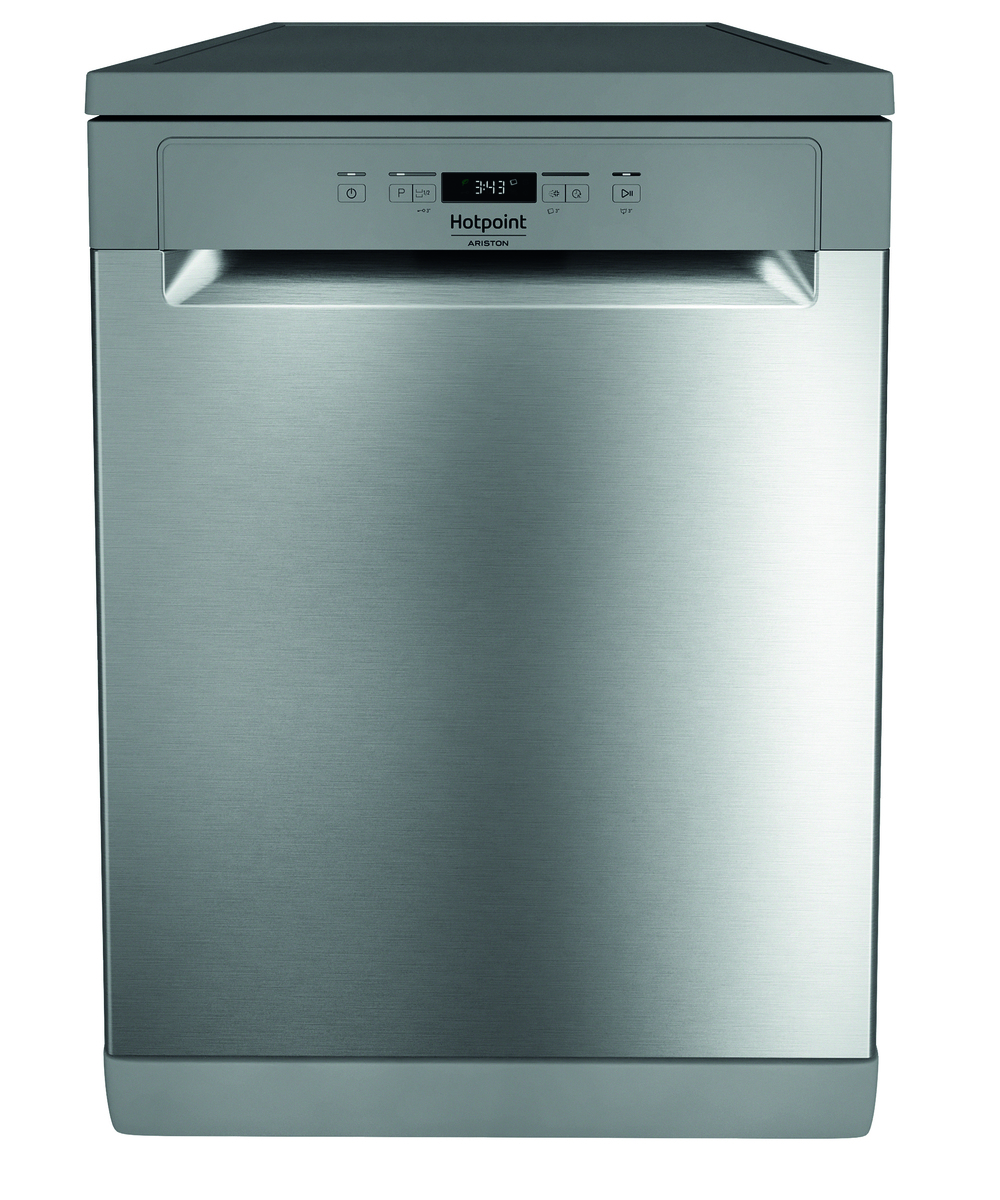 Image unavailable
This model is suitable for a freestanding installation where no decorative panel matching the cabinetry is required.
Advertised capacity: 14 place settings. Energy class D.
The top panel is not removable according to the product information, so do not plan an under-worktop installation without checking the dimensions and clearances.
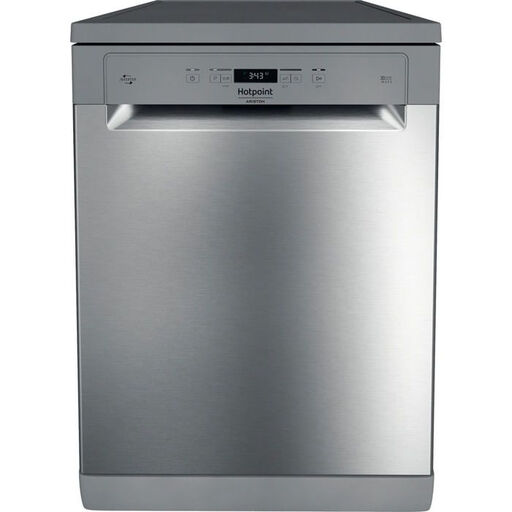 Image unavailable
Worth considering if you want a freestanding model without a door panel, for a kitchen where the appliance remains visible.
Advertised capacity: 14 place settings. Energy class D.
Before buying, check the dimensions, Eco programme data and compatibility with your available space.
Take the actual width, height and depth of the recess, then compare them with the installation diagram for the exact model. 45 cm and 60 cm formats are common, but height, adjustable feet, depth, plinth and door opening vary by model, as Bosch highlights.
A fully integrated dishwasher is concealed behind the cabinet door, with its controls generally located on the top edge of the door. A semi-integrated model also has a door panel, but its control panel remains visible on the front, according to descriptions from Miele and UFC-Que Choisir.
Yes, but only if the model and space allow it. In particular, check whether the top panel is removable, as well as the dimensions of the space and the clearances required, before buying, in line with UFC-Que Choisir’s advice.
Compare the A to G class, energy per 100 Eco cycles, Eco programme duration, water per cycle, capacity and noise level between models with a similar capacity and installation type. The European Commission states that this information appears on the energy labels of dishwashers sold in the European Union.
Yes, it helps you compare models when making your purchase. ADEME explains that the score takes into account factors including the availability and price of spare parts, ease of dismantling and technical documentation; it is not an absolute guarantee of reliability.