
Livraison le jour même ou le lendemain

Qualité garantie

Débloquez vos offres de bienvenue: Livraison GRATUITE | Jusqu'à -80 % | 30 jours d'essai gratuits à JoyPlus
Téléchargez l'application
Whether you're setting up a home fitness corner or looking for a companion for your yoga sessions, choosing a fitness floor mat might seem trivial. However, the market is flooded with products that often have vague marketing promises. The wrong choice can not only ruin your comfort but also compromise your safety and the lifespan of your equipment. As a product expert at Joybuy, my mission is to bring you clarity. Let's break down the common pitfalls to avoid so you can make an informed purchase.
Before we even get into the technical details, it's crucial to debunk the misconceptions and marketing claims that often lead to buyer's remorse.
The "One-Size-Fits-All" Mat Myth: Many mats are marketed as the "do-it-all" miracle solution. In reality, the needs for a Pilates session, a dynamic yoga flow, or a weight training workout are completely different. A thin, dense yoga mat promotes balance, while a thick floor mat is essential for protecting your joints during floor exercises. Using the wrong mat can compromise your stability or cause it to wear out prematurely.
The Obsession with Maximum Thickness: It's a common misconception that a thicker mat is always more comfortable. While this is true to an extent, excessive thickness (over 15 mm) without sufficient density can become a trap. The surface becomes unstable, making balance postures difficult and even risky. The material's density is therefore at least as important a criterion as its thickness.
The Jungle of Materials: PVC, TPE, NBR, cork, PE foam... it's not easy to navigate. Some entry-level materials like PVC can stretch, lack grip, and may contain potentially harmful substances. A TPE foam mat (Thermoplastic Elastomer) often stands out as an excellent compromise between durability, grip, and eco-friendliness, while cork offers unique properties for very specific practices.
To get it right, focus on these three fundamental parameters that will determine if a mat is truly right for you.
The thickness should be chosen based on your main activity.
yoga mat that is too soft can throw you off balance.thick, dense floor mat effectively cushions pressure points (spine, knees, elbows) during exercises on the ground.gym floor tiles (over 10 mm) are a robust solution for absorbing shock and protecting your floor.The material directly influences grip, comfort, and ease of maintenance.
non-slip exercise mat made of TPE is an excellent all-around, durable choice.gym floor tiles. It provides excellent cushioning and high resistance, perfect for creating a custom home fitness surface.yoga mat or Pilates mat. It's portable, often comes with a carrying strap, and is easy to store. It's perfectly suited for individual practice in various spaces.Here are a few options that meet specific needs, taking into account the criteria we've just discussed.
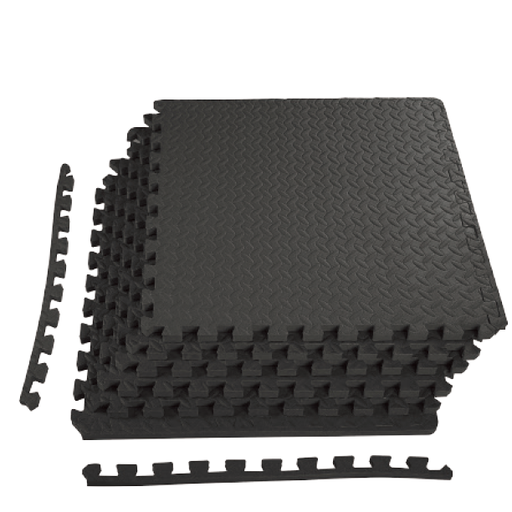
Why we chose it: Ideal for creating a true fitness corner at home. These tiles protect the floor from impacts (light dumbbells, equipment) and provide a stable surface for all floor exercises.
It doesn't try to be a do-it-all portable mat. It's a modular solution designed for a fixed space, which guarantees its robustness and stability.
1.2 cm thickness in high-density PE foam for excellent cushioning and effective floor protection. Non-slip surface and easy assembly.
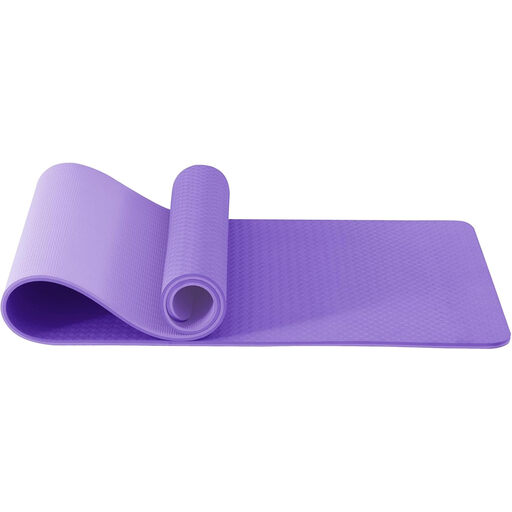
Why we chose it: The ideal companion for Pilates or gentle yoga enthusiasts seeking superior cushioning to protect their joints. Its carrying strap makes it just as practical at home as it is in the studio.
It doesn't fall into the thickness-without-density trap. Its 10 mm of high-density TPE offers real cushioning comfort, without the unstable "marshmallow" effect of low-end mats.
Dual-sided TPE material for reliable grip on top and perfect stability on the floor. Lightweight and easy to clean.

Why we chose it: The gold standard for dynamic or Hot Yoga practitioners. Its cork surface has an almost magical property: the more you sweat, the better it grips, preventing hands and feet from slipping.
Instead of relying on a jack-of-all-trades material, it opts for specialized technology. The cork is chosen for its unique performance in heat and humidity, where other mats would show their limits.
Sweat-activated grip thanks to its natural cork surface. The TPE base ensures the mat stays perfectly in place on the floor.
We've curated a complete selection of products that meet our quality criteria and current safety standards.
Most TPE, cork, or foam mats are very easy to clean. After your session, simply wipe it down with a damp cloth and a drop of mild soap. Avoid harsh cleaning products. Always let it air dry completely before rolling it up to prevent mould, mildew, or bad odours. And most importantly, never put it in the washing machine!
It all depends on the frequency of use, the material, and how well you maintain it. An entry-level PVC mat might show signs of wear (stretching, crumbling) in less than a year. Conversely, a high-quality, well-maintained TPE foam mat or cork mat will last for several years. Replace your mat as soon as it loses its grip or parts of it start to disintegrate.
That's a very bad idea. A yoga mat is designed for the comfort and grip of hands and feet, not to withstand the impact or pressure of dumbbells or kettlebells. The weight of the equipment could damage it permanently. For this purpose, gym floor tiles made of PE foam or rubber are the only truly safe and durable solution.