
Livraison le jour même ou le lendemain

Qualité garantie

Débloquez vos offres de bienvenue: Livraison GRATUITE | Jusqu'à -80 % | 30 jours d'essai gratuits à JoyPlus
Téléchargez l'application
Choosing the right fitness apparel seems simple, right? Not so fast. A few common pitfalls can quickly turn a promising purchase into a costly disappointment. The wrong outfit isn't just uncomfortable—it can hinder your performance and wear out in no time. Before you buy, here are the mistakes to avoid at all costs.
To make the right choice, ignore the marketing hype and focus on a few objective technical features. Here’s what to look for.
The choice of material is crucial and should be dictated by your main activity.
For women, choosing a high, medium, or low-support sports bra is critical. This criterion depends directly on the intensity of the activity.
It's the manufacturing details that make all the difference in durability and comfort. Pay close attention to flatlock seams, which prevent chafing and irritation. On bottoms, a gusseted crotch improves range of motion and strength. For socks, like Nike sport socks, reinforcements at the heel and toe, along with arch support, make a world of difference in comfort and longevity.
We have analysed and selected several products based on their relevance for specific athlete profiles, focusing on their technical qualities and design.
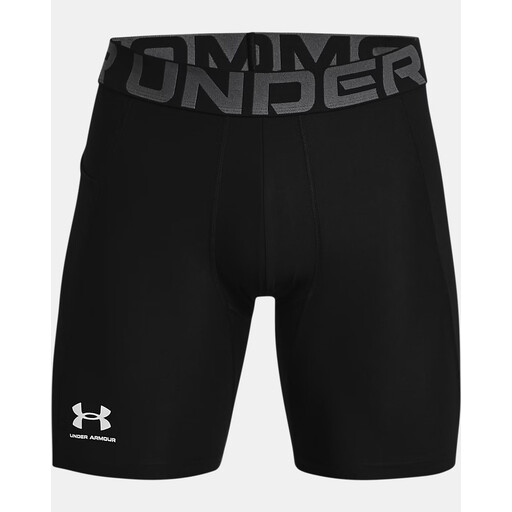
Why we chose it: The ideal companion for athletes seeking muscle support and perfect sweat management during intense workouts. Its compressive fit and technical fabric are tailored for high-energy activities.
This isn't just any sport short. The HeatGear fabric and strategic mesh panels are specifically designed for ventilation and sweat-wicking, thus avoiding the ineffective "do-it-all" fabric trap.
Its ergonomic design moves seams away from high-abrasion areas. The result: greater durability and zero irritation, even during the most repetitive movements.
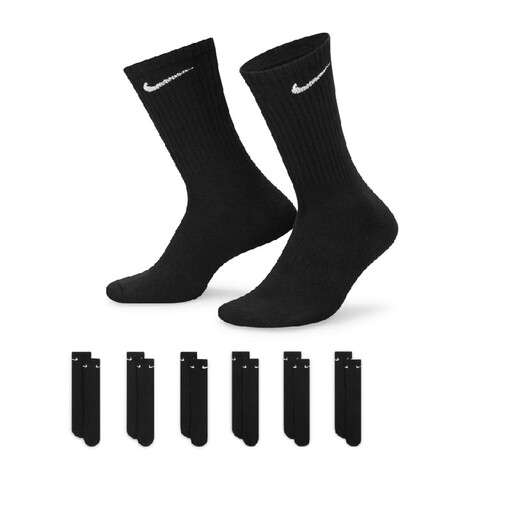
Why we chose it: The often-underestimated yet essential accessory. These socks provide crucial cushioning and support for strength and weightlifting exercises, where foot stability is paramount.
This product overlooks no detail. The thick terry sole and ribbed arch band are technical finishes that make all the difference in comfort and performance, unlike basic socks.
The superior cushioning absorbs impact during weighted exercises, while the Dri-FIT technology keeps feet dry, preventing blisters and discomfort.
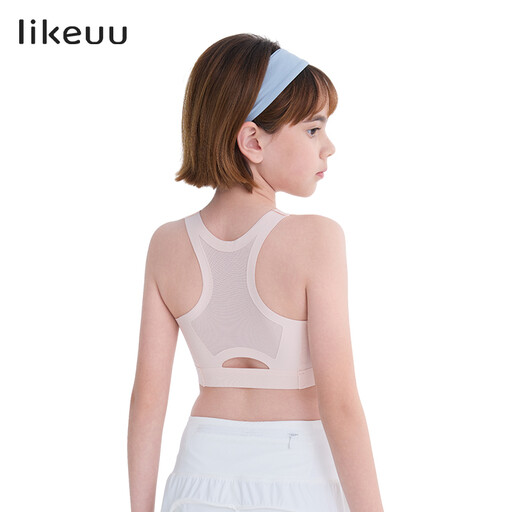
Why we chose it: Light support and absolute comfort: this sports bra is perfect for low-impact activities. Its ultra-stretchy fabric moves with you without ever feeling restrictive.
This model doesn't promise universal support. It clearly positions itself as a light-support option, avoiding the trap of sacrificing the right support level for a generic design. It meets a specific need with appropriate materials.
The combination of nylon and elastane offers a soft feel and great flexibility—two essential qualities for yoga or Pilates postures.
If you're looking for a sports bra with different support, we've compiled a complete selection of products that meet strict criteria for support and comfort.
1. What's the difference between compression wear and classic activewear? A compression garment is very tight-fitting and applies targeted pressure to muscle groups. Its purpose is to boost blood circulation and reduce vibrations, which can improve performance and speed up recovery. In contrast, classic activewear, often looser, focuses primarily on comfort and moisture-wicking.
2. How do I choose the right support level for a sports bra? It all depends on the intensity of your sport and your body type. For low-impact activities (yoga, walking), light support is sufficient. For gym fitness or cycling, opt for medium support. For high-impact sports like running or HIIT, high support is non-negotiable to limit movement and ensure total comfort.
3. How often should I replace my fitness apparel? The lifespan of your gear depends on how often you use it, its quality, and how you care for it. Generally, a sports bra loses its elasticity after 6 to 12 months of regular use. For leggings and shorts, watch for signs of wear: loss of elasticity, fabric becoming sheer, or seams coming apart. Proper care, following the washing instructions, is key to making them last.