
Livraison le jour même ou le lendemain

Qualité garantie

Débloquez vos offres de bienvenue: Livraison GRATUITE | Jusqu'à -80 % | 30 jours d'essai gratuits à JoyPlus
Téléchargez l'application
Whether you're stalking pike by a pond or battling a feisty sea bass offshore, the moment after the strike is crucial. Once the fish is hooked and landed, handling it safely—for both you and the fish—becomes the top priority. Going in without the right tools not only risks damaging your gear and injuring your catch, but also exposes you to painful cuts and punctures.
This is where fishing pliers come in as an indispensable ally. To help you make an informed decision, we're breaking down the key criteria and presenting our selection of the best models to help you equip yourself with confidence.
A successful, stress-free fishing trip starts with the right gear. Let's review the essential points to check before choosing your fishing accessories, whether for freshwater predators or saltwater species.
The longevity of your pliers depends above all on their material. In both fresh and salt water, corrosion is enemy number one.
A good tool is an investment that should last. The best practice to adopt?: always rinse your gear with fresh water after a saltwater trip to preserve it.
Why clutter your tackle box with multiple tools when one can do it all?? A good pair of fishing pliers should be versatile and meet the most common needs:
Pliers that slip out of your hand are annoying at best and dangerous at worst. Ergonomics are therefore crucial. Look for non-slip grips (made of rubber, for example) that ensure a reliable hold, even when wet. The little extra that saves the day?? A safety lanyard with a carabiner, to prevent your pliers from ending up at the bottom of the water.
To move from theory to practice, we have selected a few tools for you that check all the boxes for functionality and durability.
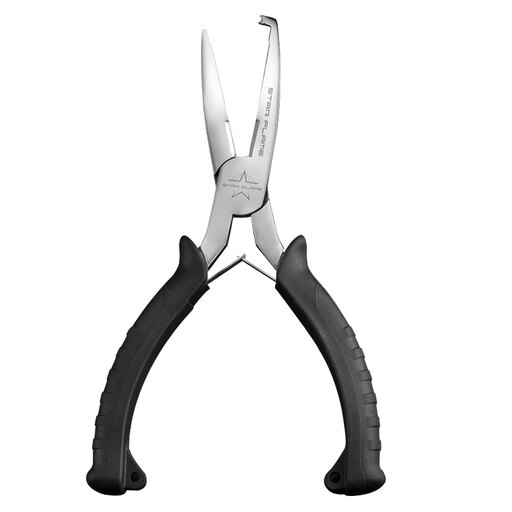
Key Features?: This ECOODA model is the archetype of the versatile plier. Its aluminum construction makes it lightweight and provides excellent corrosion resistance. Its long, thin jaws are perfect for gently unhooking fish, its tip is specially designed for split rings, and its tungsten carbide blades ensure a clean cut through braid.
What We Like?:
Who Is It For? Ideal for predator anglers and saltwater fishing enthusiasts who want a reliable, all-in-one tool that's ready to go.
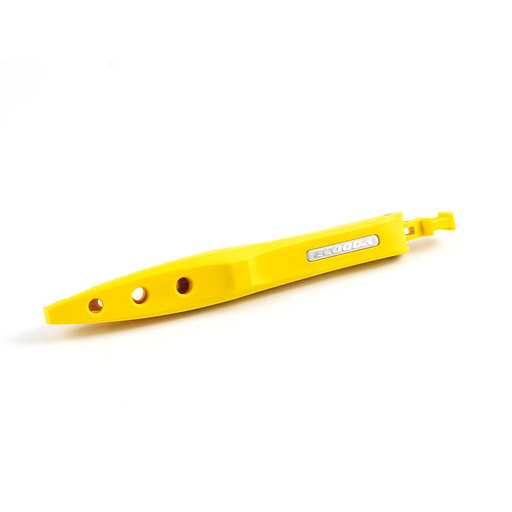
Key Features?: Often called a "fish grip," the fish lip gripper is not a gimmick?: it's the essential accessory for controlling your catch. This ECOODA model allows you to firmly grasp the fish's lower jaw, immobilizing it without harm while keeping your hands away from teeth and sharp gills. Its robust design guarantees a foolproof grip, even on the most combative fish.
What We Like?:
Who Is It For? Indispensable for fans of catch and release and for anyone targeting fish known for being feisty or having a respectable set of teeth (pike, zander, barracuda...).
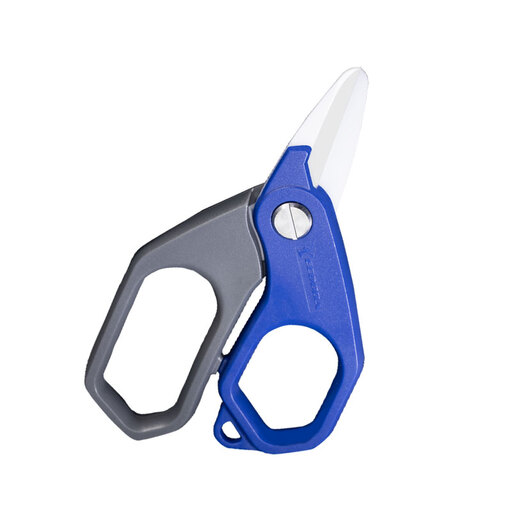
Key Features?: The unique feature of these fishing scissors?? Their ceramic blades. A major advantage?: unlike steel, ceramic never rusts and retains a flawless edge much longer. They excel at providing a clean, fray-free cut on braided lines and monofilaments, even the finest ones.
What We Like?:
Who Is It For? For all anglers, especially braid users, who are tired of scissors that rust or go dull after just a few trips.
Our selection doesn't cover all your needs?? Are you looking for other types of accessories to complete your setup??
? Explore our complete selection of fishing equipment
Fishing pliers are the do-it-all tool?: they are used to remove hooks, cut line, and handle small tackle (split rings, sleeves...). The fish lip gripper (or "fish grip") has one mission?: to firmly grasp the fish by the jaw to control it without touching it. Far from being competitors, these two tools are perfectly complementary.
Because it determines their lifespan. A corrosion-resistant material (aluminum, good stainless steel) is essential to ensure your pliers don't end up seized by rust, especially if you fish in saltwater. A lightweight material like aluminum also guarantees comfort during long fishing sessions.