
Livraison le jour même ou le lendemain

Qualité garantie

Débloquez vos offres de bienvenue: Livraison GRATUITE | Jusqu'à -80 % | 30 jours d'essai gratuits à JoyPlus
Téléchargez l'application
Whether you're dreaming of a Vietnamese bo bun, an authentic pad thai, or a spicy green papaya salad, fish sauce is the secret ingredient that makes all the difference. But once you're in the aisle, the confusion begins?: nuoc mam, nam pla, fermented or not... How do you choose?
As the head of product selections at Joybuy, I'm here to demystify this fascinating world for you. The goal? To break down the essentials of fish sauce and help you choose the perfect bottle for your kitchen, based on clear, practical criteria.
To make the right choice, a few details on the label are all you need to understand a fish sauce's character.
The quality of a fish sauce is often measured by its fish extract concentration. A high percentage (typically between 60% and 70%) indicates a richer flavour and deeper umami. Geographical origin also shapes its aromatic profile?:
Different recipes call for different fish sauces. Not all are created equal.
Most commercial fish sauces are clear and filtered, derived from the first pressing. However, there are also unfiltered or long-fermented versions, like pla ra. These have a cloudier appearance, a powerful aroma, and a very distinct taste that is essential for certain traditional Thai or Laotian dishes.
We have selected three products that each meet a specific need, helping you build your collection of Asian seasonings.
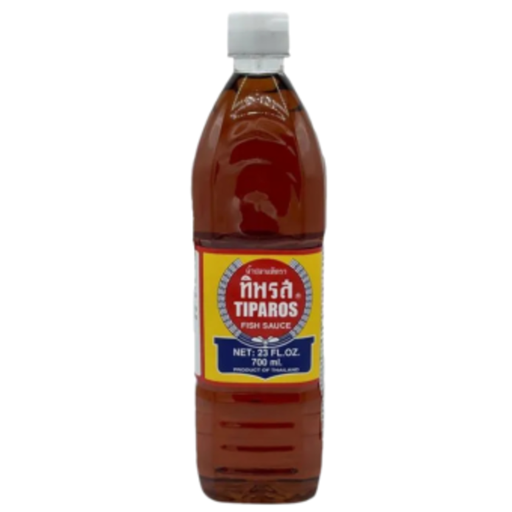
Why it stands out This is a reliable everyday staple. Made in France with a 65% anchovy extract, Tios sauce offers a perfectly controlled balance between salt and umami. Its amber colour and clean aroma make it an ideal all-rounder for everything from soups to stir-fries.
Pros
Who is it for?? For those who cook Asian food regularly and are looking for a reliable, budget-friendly product to always have in their pantry.
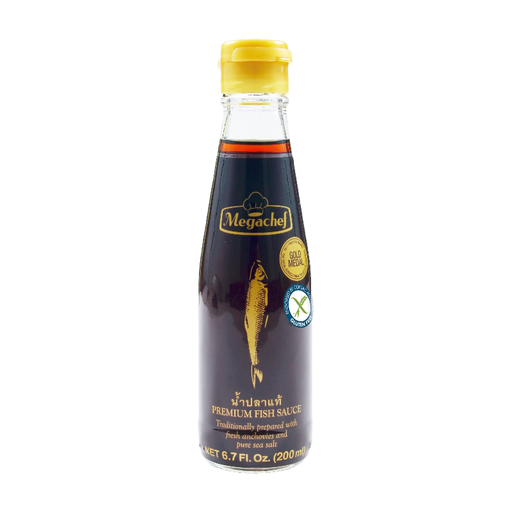
Why it stands out This high-quality Thai nam pla is a step up. With 70% anchovy extract, it delivers remarkable depth of flavour. Its ingredient list is clean and natural, with no additives or preservatives, and it is certified gluten-free. The purist's choice for an intense and authentic umami.
Pros
Who is it for?? Perfect for Thai food enthusiasts seeking an authentic flavour for their curries, soups, and stir-fries. Its pronounced taste also makes it an excellent base for dipping sauces.
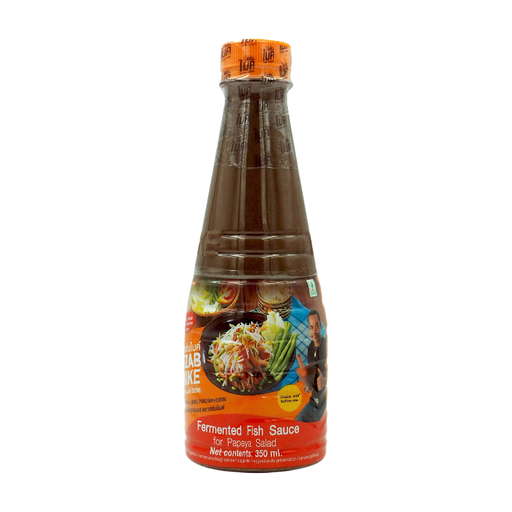
Why it stands out Be warned, this is a product with character?! Here we leave the world of classic fish sauces behind. This is a preparation based on fermented fish sauce (pla ra), the key ingredient for an authentic Thai papaya salad (Som Tam). Its taste is powerful, salty, and very distinctive. It also contains sugar and pickled garlic juice for a ready-to-use flavour profile.
Pros
Who is it for?? Reserved for adventurous eaters who want to experience the raw, unique flavour of papaya salad from the Isan region. Above all, do not mistake it for a standard fish sauce for everyday use.
Our selection is just a gateway into the vast world of Asian condiments. From chilli pastes and flavoured oils to a variety of sauces, feel free to browse our catalogue to complete your culinary arsenal.
Explore our full range of Sauces & Seasonings for more inspiration.
Although both terms refer to fish sauce, nuoc mam is the Vietnamese name and nam pla is its Thai equivalent. Historically, nuoc mam is often considered slightly milder and less salty than nam pla, but it all depends on the brand. Ultimately, the quality of the ingredients is what matters most.
Once opened, keep the bottle tightly sealed in the refrigerator. This is the best way to preserve its aromas and freshness. Its high salt content acts as a natural preservative, but the cold temperature slows down the oxidation that could alter its taste over the long term.
That's a nearly impossible task, as its marine umami flavour is unique. Soy sauce can work in a pinch for saltiness, but the dish's flavour profile will be radically different. For vegetarian or vegan diets, there are plant-based sauces made from seaweed or fermented mushrooms that aim to mimic this umami effect.