Brands and retailers to know
These ranges give you a starting point for comparing species and pack sizes, but always check the exact product before deciding.
Findus
Findus offers a range of plain frozen fillets, including cod, Pacific pink salmon and Alaska pollock.
- The brand says that fillets in this range are individually wrapped, which is worth checking if you want to take out portions as you need them.
- Check the packaging and instructions on your chosen pack before planning how to stock your freezer.
Carrefour
Carrefour’s range of plain frozen fish includes Carrefour Classic’ and Carrefour Extra products, with several types of fillet.
- The listed products include pollock, cod, salmon and sole.
- Check the details of each product: the species and presentation vary from pack to pack.
Auchan
Auchan’s frozen range includes fillets and fish loins from different brands, in pack sizes including 800 g and 1 kg.
- Depending on your preferred portion size, these weights could provide several meals from one pack.
- A large pack doesn’t tell you how many pieces it contains or how they’re packaged: check the details of the exact product.
Pêche Océan / Marque Repère E.Leclerc
E.Leclerc offers Pêche Océan cod fillets in 800 g packs, as well as 1 kg packs of Alaska pollock portions.
- Some product listings specify the species, fishing area, ingredients and any warnings about bones.
- Read the information on the pack you choose: a statement that bones have been removed doesn’t necessarily rule out the occasional bone.
Frozen fillets available on Joybuy
These frozen fillets let you compare species and pack sizes for meals spread out over time. The number of pieces listed on a pack doesn’t, on its own, guarantee that each fillet is individually wrapped.
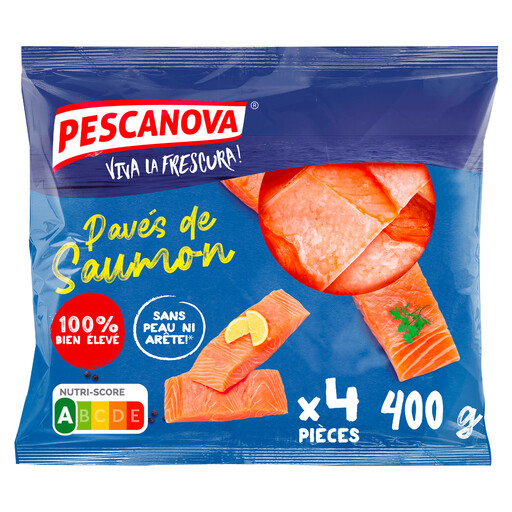 Image unavailable
PESCANOVA Skinless Salmon Fillets, 4 × 400 g
Worth considering if you want to spread salmon fillets across several meals: the product description lists four individually frozen portions, weighing 400 g in total.
Follow the cooking instructions and do not refreeze the product once defrosted.
View on Joybuy
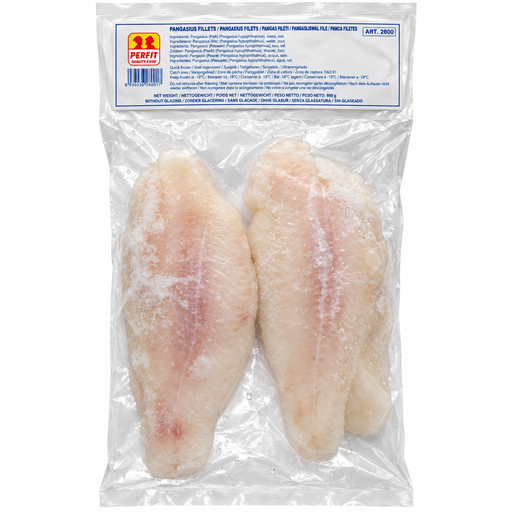 Image unavailable
Perfit Pangasius Fillets 170/220, 1 kg
The 1 kg pack could suit you if you’re planning several pangasius meals. The product description lists fillets weighing 170 to 220 g each; check the number of pieces and how they’re packaged if you plan to take them out individually.
The instructions say to defrost in the fridge, eat within 24 hours of opening and not refreeze.
View on Joybuy
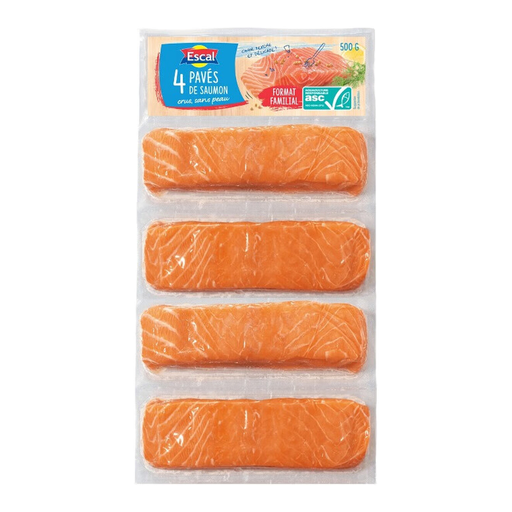 Image unavailable
ESCAL 4 Skinless ASC-Certified Salmon Fillets, 500 g
This pack contains four skinless salmon fillets, weighing 500 g in total, so you can plan your portions before buying. If you want to take out one fillet at a time, check whether the pieces are individually wrapped.
The product description says to store at −18 °C or below and to cook thoroughly.
View on Joybuy
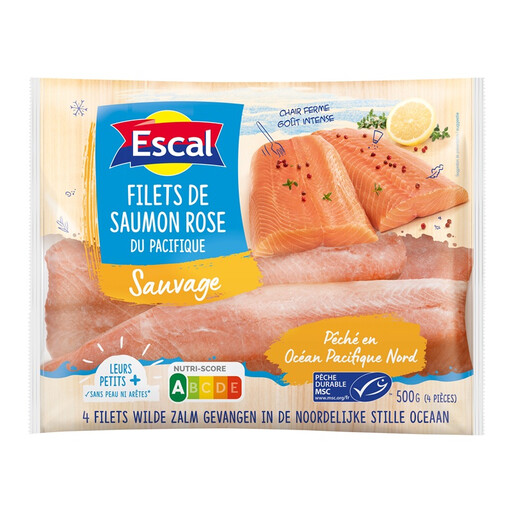 Image unavailable
Escal 4 Wild Pacific Pink Salmon Fillets MSC, 500 g
The four Pacific pink salmon fillets weigh 500 g in total. If you’re planning separate meals, check how the fillets are packaged on the pack.
The product description says to defrost in the fridge, cook thoroughly and not refreeze once defrosted.
View on Joybuy
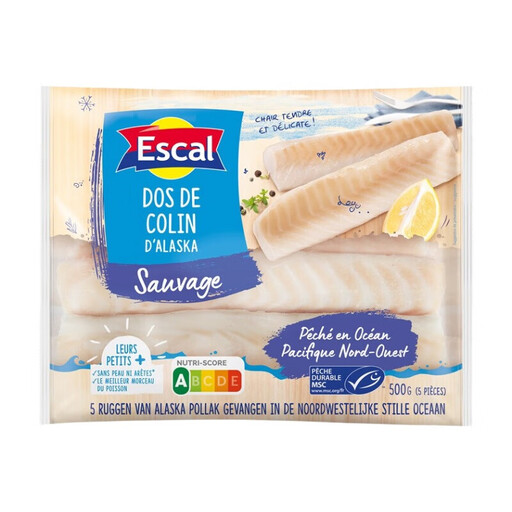 Image unavailable
ESCAL 4 MSC Certified Wild-Caught Coalfish Fillet, 500 g
If you’re considering this pack for your freezer, first check the species, total weight and number of pieces on the packaging before planning your portions: the information listed for this product varies on these points.
Also check the defrosting and cooking instructions on the pack you receive.
View on Joybuy
Frequently asked questions
For a big shop, should you choose fresh or frozen fillets?
Choose frozen fillets if you plan to spread your meals out over time, and fresh fish if you’ll be cooking it soon. For fresh fish, the Anses advises eating it on the day you buy it if possible, or within 48 hours, and keeping it between 0 and 4 °C.
How should you transport frozen fillets after a big shop?
Pick them up last and use an insulated bag if possible, as recommended by the DGCCRF. Put them away as soon as you get home and follow the storage instructions on the packaging.
Can a fillet labelled “boneless” still contain bones?
Yes, depending on the product-specific warning. E.Leclerc notes on a Pêche Océan cod listing that a few bones may occasionally remain; read the wording on the pack and check the pieces before serving.
What should you look for on a pack of plain fish fillets?
Start with the product name, ingredients, weight and species, as well as any origin or fishing-area information on the label. Check the storage instructions too, and how the fillets are packaged if you want to take them out individually.
Are there any precautions to take when choosing fish for pregnant women and young children?
Yes: the Anses has specific advice for vulnerable groups, including recommendations about certain predatory fish and raw or undercooked fish. Check the guidance that applies to the group concerned and identify the species before stocking up.


