Those looking to cut down on salt
You’re looking for a soy sauce to cook with or use as a seasoning, and want to identify a product labelled ‘reduced salt’ or ‘lower in salt’ rather than relying on the colour of the bottle alone.


If you’re looking to cut down on sugar when buying your first bottle, start by distinguishing between light soy sauce and sweet soy sauce. Then compare the ‘of which sugars’ value on the bottles you’re considering. ‘Reduced salt’ is a separate claim: if salt is your priority, check this on the exact product you’re buying, rather than assuming it also contains less sugar. In either case, read the ingredients and allergen information too.
You’re looking for a soy sauce to cook with or use as a seasoning, and want to identify a product labelled ‘reduced salt’ or ‘lower in salt’ rather than relying on the colour of the bottle alone.
You’re comparing sugar content from the outset. The distinction between light and sweet soy sauce matters: the ingredient lists published by Auchan show that the Kikkoman sweet soy sauce reviewed contains 36% sugar, while Auchan’s contains 33%.
You want a size that suits your first uses, whether you’re seasoning food, making a marinade or serving it with noodles. However, the bottle size and suggested uses are no substitute for checking the recipe.
For your first bottle, start by choosing between light and sweet soy sauce, depending on how you plan to use it. Then compare the sugar and salt content, as well as the bottle size, for the products you’re interested in.
| Criteria | What to check | Who is it for? |
|---|---|---|
| Salt | The ‘reduced salt’ or ‘lower in salt’ claim, followed by the salt value in the bottle’s nutritional information. | I want to season my food while making salt my main comparison point; around 45% of consumers would put reducing salt first. |
| Sugars | Whether it’s labelled light or sweet, the ingredients list and the ‘of which sugars’ value; compare values given on the same basis. | I don’t want to accidentally buy sweet soy sauce when I’m mainly watching my sugar intake; this would be the priority for around 33% of consumers. |
| First bottle size | The volume, suggested uses and storage instructions after opening. | I’m still discovering how to use soy sauce and would rather choose a bottle size based on what I plan to cook; around 22% of consumers would prioritise this over other factors. |
The words ‘soy sauce’ alone don’t tell you enough. According to the ingredient lists published by Auchan, sugar makes up 36% of the Kikkoman sweet soy sauce reviewed and 33% of the Auchan sweet soy sauce reviewed. These figures apply to those specific recipes.
If sugar content is guiding your choice, check the product description and compare the ‘of which sugars’ value on the bottles you’re considering.
These claims refer to different characteristics. Kikkoman France states that the salt content of the relevant soy sauce is reduced by more than 43%. This manufacturer claim doesn’t, in itself, tell you whether the sugar content is lower.
Decide which criterion matters to you, then check the salt and sugar values separately for the exact product you’re considering.
The ingredient list for Tanoshi reduced-salt soy sauce published by Auchan includes wheat and soya beans, among other ingredients. Ingredients can vary between recipes.
If you have an allergy or avoid certain foods, read the ingredients and allergen declaration on the bottle you choose, even if you already know the brand.
Reduced-salt soy sauce is listed in 150 ml and 250 ml sizes in the Carrefour and Auchan product listings reviewed.
A 200 ml bottle of reduced-salt soy sauce is listed in the Carrefour product listing reviewed.
According to the product listings reviewed, reduced-salt soy sauce is available in 143 ml bottles at Auchan and 250 ml bottles at Carrefour.
These soy sauces come in a range of bottle sizes to consider for your first purchase. Their inclusion here doesn’t mean they carry a ‘reduced sugar’ or ‘reduced salt’ claim. Check the recipe and nutritional information for the product you’re interested in.
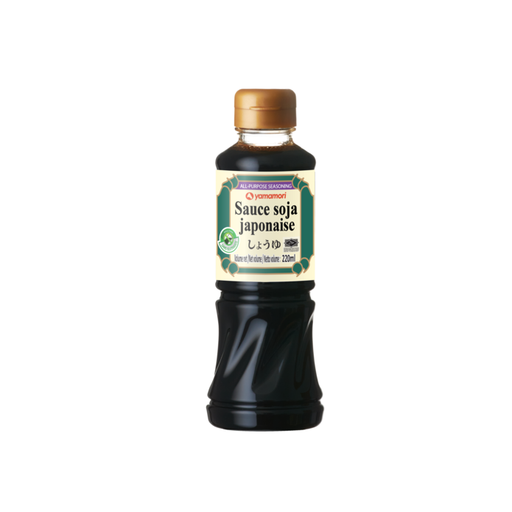 Image unavailable
Worth considering if you’re looking for your first bottle of soy sauce to season Japanese dishes.
220 ml bottle. If sugar or salt is important to your choice, compare the values on the label. Check the allergens too.
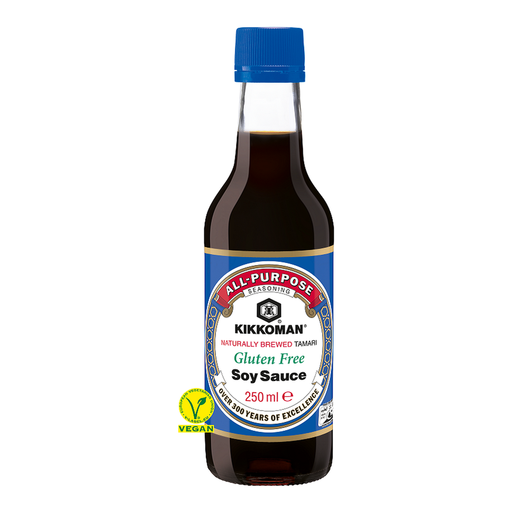 Image unavailable
Worth considering if the ingredients in a tamari sauce are important to your choice.
250 ml bottle. If the ‘gluten free’ claim is important to you, check it on the label of the exact product. Also check for soya and the salt content.
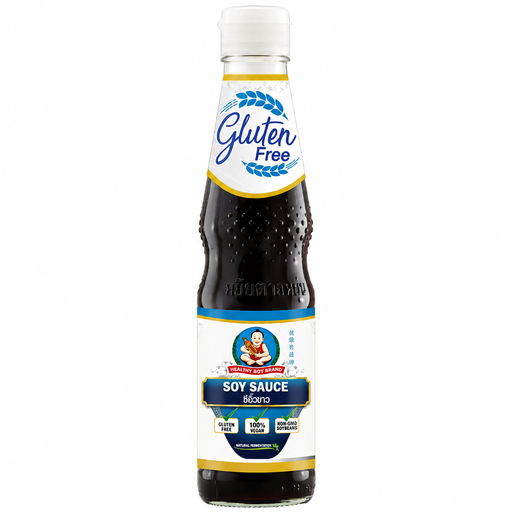 Image unavailable
This size could suit a first bottle for use in dishes such as soups and marinades.
300 ml bottle. Check the label for sugar, salt and allergens; don’t assume the product contains less sugar based on its name.
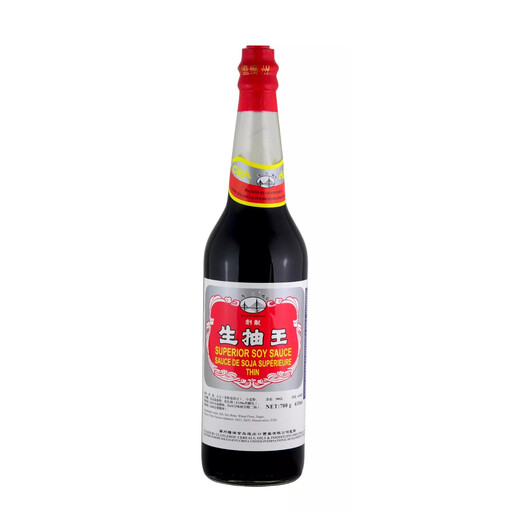 Image unavailable
Worth considering for marinades or stir-fries if you’re planning to use a larger bottle.
610 ml bottle, rather than a small trial size. The word ‘Light’ in the name is no substitute for comparing sugar and salt values on the label. Check the allergens too.
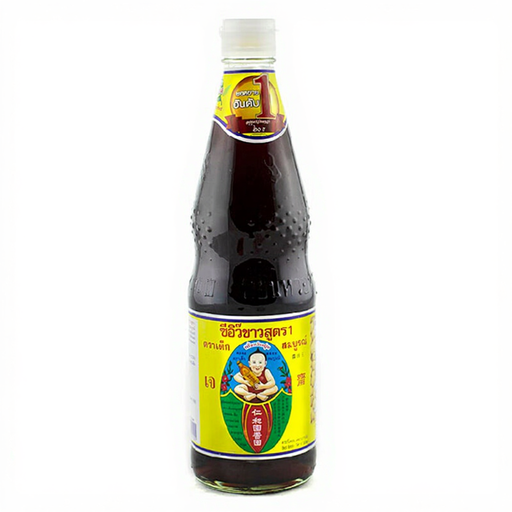 Image unavailable
Worth considering if you plan to use soy sauce regularly for seasoning or making marinades.
700 ml bottle: think about how much you’ll use before choosing this size for your first shop. Check the sugar and salt values, as well as the allergen declaration, for the exact product.
Not necessarily: ‘reduced salt’ and ‘reduced sugar’ refer to two different things. When choosing a bottle, compare the salt value, the ‘of which sugars’ value and the ingredients list separately for the exact product.
Check the allergen declaration on each bottle before buying. For example, in these specific recipes, Auchan’s listing for Tanoshi reduced-salt soy sauce mentions wheat and soya; its listing for Kikkoman sweet soy sauce also mentions sulphur dioxide.
It’s a claim you need to check on the specific product, not something you can infer from the word ‘light’ alone. The DGCCRF notes that nutrition claims made about food are regulated in the European Union by Regulation (EC) No 1924/2006. When comparing bottles, also check their nutritional information on the same basis.
Follow the instructions on the bottle you choose. Storage advice for a sweet soy sauce shouldn’t automatically be applied to a different recipe.