People who cook every day
Food storage and a way to cook should come before additional appliances. If you regularly buy frozen food or prepare meals in batches, compare the fridge and freezer capacities of the model you’re considering.


When equipping the kitchen in your first home, start by checking which appliances are already there. Then choose what you need to store food and cook the meals you actually make. A basic microwave is mainly useful for reheating and defrosting; a combination microwave offers additional cooking modes, which you should check model by model. Only buy food-preparation appliances if you’ll use them regularly and have room for them.
Food storage and a way to cook should come before additional appliances. If you regularly buy frozen food or prepare meals in batches, compare the fridge and freezer capacities of the model you’re considering.
Measure the available space and check which appliances are already there before adding anything else. An appliance with several functions only saves space if its dimensions work in your kitchen.
If you already have a hob or oven, reheating and defrosting may be the main reasons to choose a microwave. Other small appliances are for more specific kinds of preparation.
Start with what’s missing from your home: food storage and cooking serve different purposes. Then consider the space you have, your eating habits and whether an additional food-preparation appliance would be useful.
| Criteria | What to check before buying | Who it’s for |
|---|---|---|
| Storing food and cooking every day | Make a list of the appliances already there, then consider how much fresh and frozen food you need to store and how you usually cook. | I want to store my shopping and prepare meals without relying on an appliance that isn’t included in the home. Around 36% of consumers prioritise this everyday independence. |
| Saving space | Measure the space, check how far doors open and allow for the clearances specified in the manual. | In my small kitchen, a useful appliance mustn’t block the worktop or access to cupboards. Around 29% of consumers put saving space first. |
| Preparing quick meals | Distinguish between reheating and defrosting and cooking in an oven; compare the functions and capacity of the microwave you’re considering. | When I often rely on meals that need reheating, I mainly want an appliance suited to that purpose. Around 21% of consumers prioritise quick meals. |
| Making a particular dish regularly | Think about the recipes you make often, then check the accessories, cleaning requirements and storage space. | If I often make soups or sauces, a blender could suit a real habit rather than simply adding another appliance to my kitchen. Around 14% of consumers prioritise this kind of specific preparation. |
There may already be a hob, oven, fridge or microwave that does the job you have in mind.
Make a note of what’s there, what’s missing and how often you’d use each new appliance.
According to the European Commission, the label also shows annual energy consumption, storage capacity and noise levels. The letter alone doesn’t tell you whether a model suits your needs.
Compare these details across appliances with the fridge and freezer capacities that work for you, and don’t forget to check their dimensions.
Whirlpool describes a combination microwave as an appliance that combines microwave cooking with convection. That doesn’t mean every model has the functions or capacity you need for your recipes.
Make a list of the dishes you want to cook, then check the model’s settings, capacity and dimensions.
A blender, food processor or multi-cooker is suited to different kinds of preparation, and also needs to be stored and cleaned.
Start with the recipes you make often. For the model you choose, check which accessories are included and whether repairs are possible. ADEME also recommends checking access to documentation and spare parts.
A brand worth considering for freestanding or integrated fridge-freezers.
A brand to explore for different fridge-freezer configurations.
A brand to look at when comparing basic microwaves, freestanding combination models and built-in options.
A brand to explore for additional food-preparation and cooking appliances.
These products meet three different needs in a first home: storing fresh and frozen food, having a worktop cooking appliance or preparing certain recipes with a blender. Start by choosing the function you’re missing.
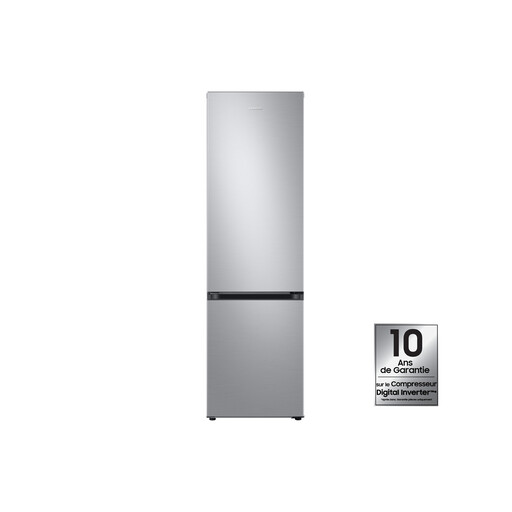 Image unavailable
Worth considering if you want to store fresh and frozen food in one appliance. The title lists a capacity of 390 L and a C energy rating. Measure the space and check the capacity of each compartment, as well as the clearance needed for installation.
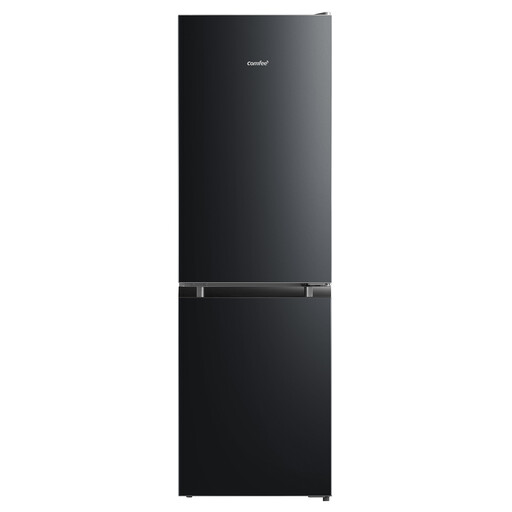 Image unavailable
For storing fresh and frozen food when space needs to be carefully considered. This freestanding model is listed with a total capacity of 174 L, Low Frost and a reversible door. Compare the separate compartment capacities with your shopping needs, and check the energy label and dimensions before choosing.
 Image unavailable
Another option for keeping fresh and frozen food in a kitchen where width matters. The title lists 153 L for the fridge and 74 L for the freezer, a width of 54 cm and an E energy rating. Also check the height, clearance, annual energy consumption and noise level.
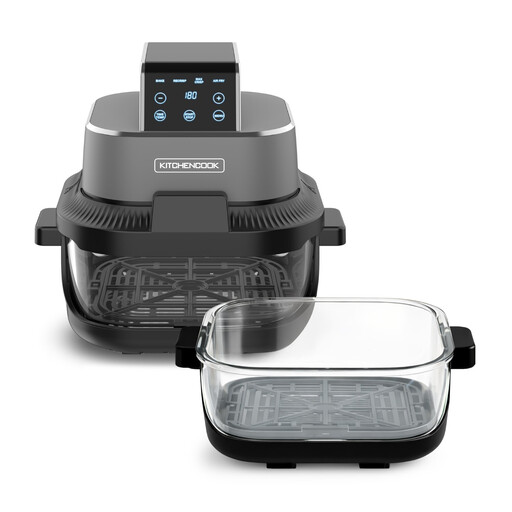 Image unavailable
Worth considering for dishes suited to a worktop air fryer, but don’t assume it replaces an oven or hob. Check the bowl capacity, available temperatures and the clearances required in the manual. Hot glass bowls need careful handling and should be left to cool before washing.
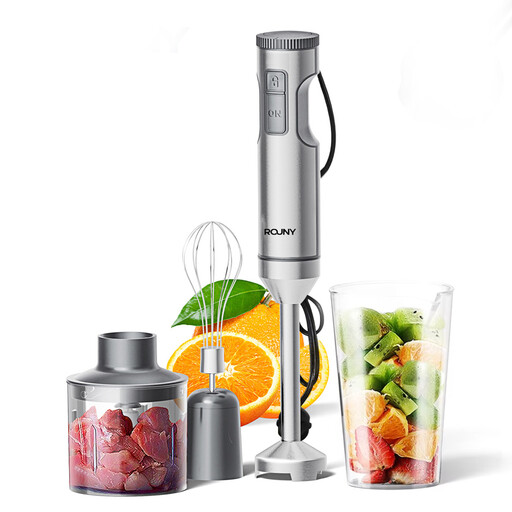 Image unavailable
Worth considering if you regularly blend or chop ingredients. The title lists a 700 ml beaker, a 500 ml chopper and a whisk. The 1,200 W figure is the maximum power, not the rated power. Follow the limit of one minute’s continuous use followed by a one-minute rest, and allow space to store the accessories.
Compare their annual energy consumption, fridge and freezer capacities, and noise levels, as well as their dimensions. The European Commission says this information appears on fridge labels; the QR code may also give you access to additional details about the model.
It can handle some oven-cooking tasks if the model has the right settings and enough capacity for your dishes, but it isn’t automatically a suitable replacement. Whirlpool describes combination models as combining microwave cooking and convection. Before deciding you don’t need an oven, check the exact functions, dimensions and installation requirements.
For a fridge, compare the annual energy consumption on the label across models that offer the same storage capacity. For repairs, ADEME recommends checking the documentation, how the appliance can be dismantled and whether spare parts are available for the model you’re considering.