Which needs should you prioritise?
Start with the activities you do each week, then check whether your home already has a satisfactory solution for each one. Measure the available space before choosing the capacity or features of a new appliance.
| Need |
What to check |
Who this matters to |
| Storing food |
Choose a capacity to suit your shopping habits and measure the available space. Compare the energy consumption shown for appliances in the same category; according to ADEME, fridges and freezers run continuously. |
If I regularly keep perishable food at home, I want enough space without leaving a large appliance half empty. Around 31% of consumers make food storage a priority. |
| Doing laundry at home |
Check the existing connections, the dimensions and the space needed to open the door or lid. Then choose a capacity to suit how often you do laundry. |
Doing my laundry at home becomes important if a shared or off-site option doesn’t suit me. Laundry at home is the main priority for around 25% of consumers. |
| Making the most of limited space |
List the functions you’ll actually use before combining several tasks in one appliance. Check its dimensions and the clearance it needs. |
In a small home, I’d rather make room for everyday activities than for several appliances I rarely use. Making the most of space comes first for around 25% of consumers. |
| Waiting or buying second-life |
If you’ll rarely use an appliance, consider waiting. For second-hand or refurbished items, check the actual condition, tests carried out, accessories included and the seller’s status. |
I want to avoid an unnecessary immediate purchase, or choose a second-life appliance whose condition I can assess. Around 19% of consumers prioritise this decision. |
Brands to know for this choice
There are no brands to feature in this section.
Appliances for your home
These appliances are designed for different tasks: doing laundry, storing food, reheating or defrosting meals and cleaning your home. Decide which activities you need to cater for at home before comparing models.
 Image unavailable
Candy TCA464TM4-S ProWash 500, 6 kg washing machine
Worth considering if you do laundry regularly at home and have the necessary connections. Top-loading design, spin speed of 1,400 rpm, B energy rating, Inverter motor, Wi-Fi and 17 programmes. Check there’s enough space to open the lid, and confirm the delivery and installation arrangements.
View on Joybuy
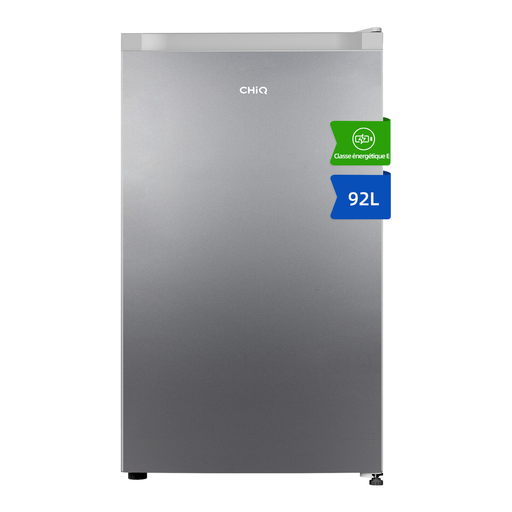 Image unavailable
CHiQ JR92DSE, 92 L single-door fridge
Worth considering if you keep food at home but want to save space. This model has a freezer compartment and an E energy rating. Before buying, compare its capacity with your habits and check all its dimensions, ventilation clearances and the model’s stated annual energy consumption.
View on Joybuy
 Image unavailable
CHiQ JR227LSE, 227 L fridge freezer
Worth comparing if you regularly need to store both fresh and frozen food. The stated capacities are 153 L for the fridge and 74 L for the freezer; it has a stated width of 54 cm, a reversible door and an E energy rating. Make sure the capacity suits your shopping habits, then check the height, clearances and annual energy consumption.
View on Joybuy
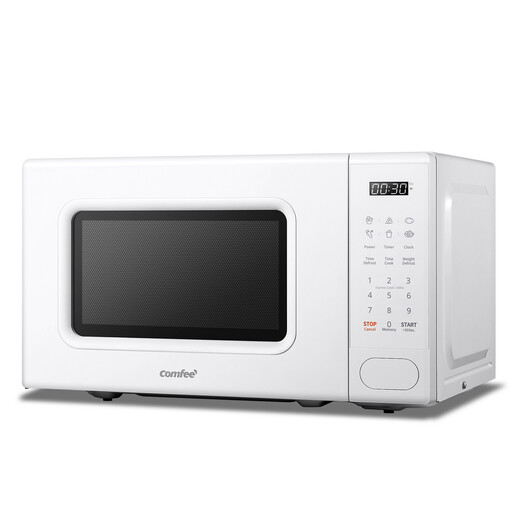 Image unavailable
COMFEE' CM-E202CC(WH), 20 L microwave
Handy for reheating or defrosting food in a home with limited equipment, but don’t assume a microwave will cover all your cooking needs. It has a stated power output of 700 W, six preset programmes, 11 power levels and a defrost function. Check the space and ventilation clearances it needs before choosing a spot for it.
View on Joybuy
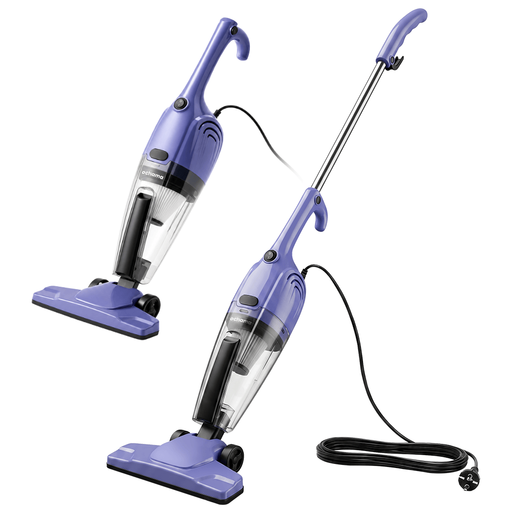 Image unavailable
ochama, two-in-one corded stick vacuum cleaner
Worth considering for cleaning floors and surfaces if a corded appliance suits the layout of your plug sockets. It has a stated power rating of 550 W, a 0.5 L dust container and a 4.5 m cord, which limits its reach unless you change sockets. Do not vacuum liquids, hot ash or flammable materials.
View on Joybuy
Frequently asked questions
Which appliances should you buy first for a home with little equipment?
Start with the appliances you need for activities you do regularly at home, rather than following a standard checklist. If you store perishable food, consider your refrigeration needs. Then think about how you’ll cook, do laundry and clean before buying anything.
Is the energy label enough to help you choose an appliance?
No. It helps you compare the information shown for similar appliances, but it doesn’t tell you what capacity you need or how much space you have. Measure the available space and decide how you’ll use the appliance before comparing labels for models in the same category.
What guarantee applies to a refurbished appliance bought from a business?
In France, the legal guarantee of conformity applies to refurbished goods sold by a business to a consumer, according to the Ministry of the Economy. Check that the seller’s description matches the appliance being sold and keep your proof of purchase. Any commercial warranty is separate from this legal protection.
Does a private second-hand sale offer the same protection?
No. In France, the legal guarantee of conformity that applies to sales from a business to a consumer does not apply to private sales, according to the Ministry of the Economy. Ask about the appliance’s condition and any known faults before paying, and keep a record of your written messages.
What should you check when an appliance is described as refurbished?
Check what functional tests have been carried out and read the description of the specific item you’ll receive. According to the Ministry of the Economy, refurbished goods are second-hand items whose functions have been tested and which have been repaired if necessary. DGCCRF specifies that the technical and cosmetic information must relate to that appliance, not just the original new model.


