
Livraison le jour même ou le lendemain

Qualité garantie

Débloquez vos offres de bienvenue: Livraison GRATUITE | Jusqu'à -80 % | 30 jours d'essai gratuits à JoyPlus
Téléchargez l'application
The charm of film photography is making a major comeback. The thrilling anticipation before seeing your shots, the unique grain of the image, the camera itself… The reasons for this resurgence are many. But where do you start? Taking the plunge can seem intimidating given the overwhelming number of options. Do you need a complex camera? Will it inevitably be expensive?
As the head of buying guides at Joybuy, my mission is to clear the path for you. Forget the technical jargon and endless manuals: this guide is designed to help you discover the magic of film with accessible and easy-to-use cameras. We've selected models that perfectly blend a retro look with intuitive handling.
Before diving into our selection, here are a few key points to help you choose.
The vast majority of beginner cameras use 35mm film. It's the most common format, easy to find and to get developed. Each roll provides 24 or 36 photos in the classic landscape format.
A clever trend is gaining ground: the half-frame camera. The concept? It takes two photos in the space normally occupied by a single 35mm shot.
When starting out, simplicity is key. So-called point and shoot models are therefore the perfect choice. Their main features are:
Unlike disposable cameras, buying a reusable film camera quickly pays for itself. Once your roll is finished, you just rewind it, take it to a lab, and load a new film into your camera. It's a far more sustainable approach that also opens the door to experimenting with different types of film (colour, black and white, etc.).
We have chosen three models that are perfect for beginners looking for a simple, reliable, and stylish camera.
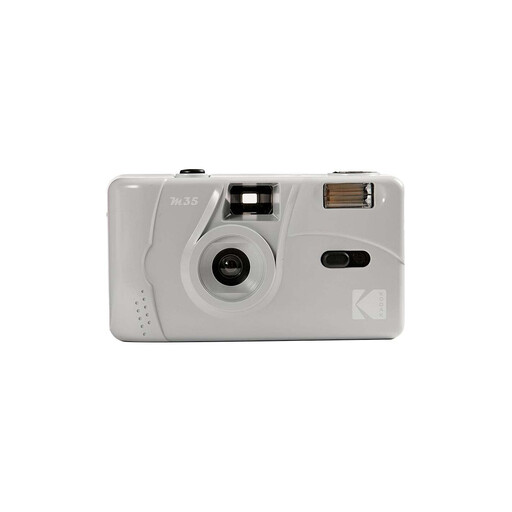
Why it stands out: The Kodak M35 is the epitome of simplicity. It takes the concept of the disposable camera everyone knows but puts it in a body you can reload indefinitely. It's the ideal entry point for anyone who wants to capture memories without any fuss over settings.
Pros:
Who is it for? For the absolute beginner who wants to experience the essence of film photography without any complications. Perfect for holiday photos, nights out with friends, and everyday moments.
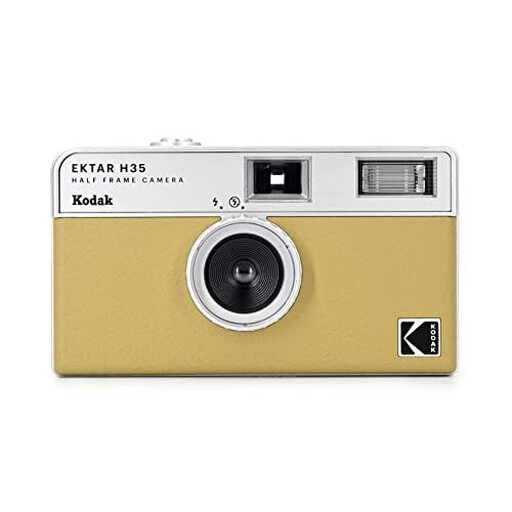
Why it stands out: The Kodak Ektar H35 takes a unique approach with its format. As a half-frame camera, it doubles the number of shots per roll, making it a great ally for tight budgets and creative minds.
Pros:
Who is it for? For the creative and savvy photographer who loves to play with composition and wants to get the most out of every roll of film. Excellent for documenting a trip or keeping a visual diary.
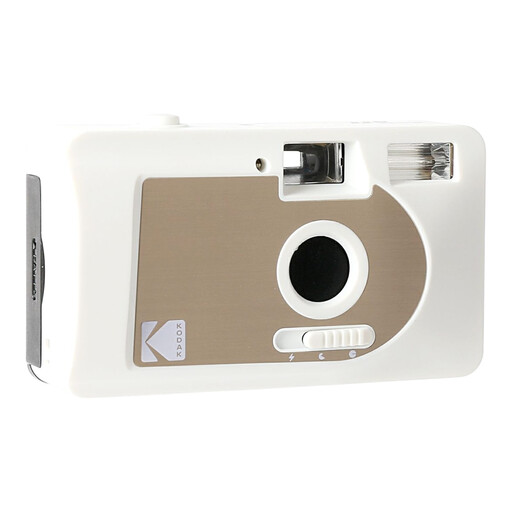
Why it stands out: The Kodak S88 brings a dose of modern convenience to film photography with its motorised film advance. No more winding a dial after each photo; the camera takes care of everything and is instantly ready for the next shot.
Pros:
Who is it for? For those who want the simplicity of a Kodak 35mm camera with an extra touch of convenience. It's the perfect balance between vintage charm and modern practicality.
The world of photography doesn't stop here. If you're curious to discover other ways to get a tangible photo instantly, take a look at our Instant Cameras category. The charm works differently, but the pleasure is the same.
1. What 35mm film should I choose to start with? To begin, a versatile colour film like Kodak Gold 200 or Fujifilm Superia X-TRA 400 is an excellent choice. They offer beautiful colours and are very forgiving of minor exposure mistakes. For black and white, Ilford HP5 Plus 400 is a classic, renowned for its flexibility.
2. Is it complicated to get photos developed in 2026? Not at all. Many photo labs in town still offer developing and scanning services. There are also a multitude of online services: you mail in your film and receive your scanned photos by email, then your negatives and prints in your letterbox a few days later.
3. Is a reusable camera really more economical than a disposable one? In the long run, the answer is absolutely yes. The initial investment is certainly higher than the price of a single disposable. But by the second or third roll of film, the cost per photo drops drastically, as you are only buying the film. It is also, of course, a much more eco-friendly choice.