No dedicated recess
If you want to install your first appliance without altering your kitchen units, consider freestanding models. Measure the space and check the water inlet, drainage and electrical supply before choosing a model.


When buying your first dishwasher, start by choosing a format that suits your kitchen space and connections: freestanding if you don’t have a dedicated recess, integrated if you have a suitable recess and cabinet door, or compact if space and the amount of washing-up you produce are both very limited. Then compare the capacity you’ll actually need for your meals, the Eco programme figures and the maintenance requirements. Switching from washing up by hand doesn’t mean the same appliance will suit every household.
If you want to install your first appliance without altering your kitchen units, consider freestanding models. Measure the space and check the water inlet, drainage and electrical supply before choosing a model.
If you already have a recess and want your appliance to match your kitchen units, compare its dimensions with those of integrated models. Also check which cabinet door is needed and whether any additional work will be required.
If you produce little washing-up and are short on space, consider a compact worktop model. A slimline 45 cm model is another option if you have floor space and need a larger capacity.
First, check whether installation is possible, then make sure the capacity suits the amount of washing-up your meals produce. These two checks help you avoid comparing energy use for appliances that don’t meet the same needs.
Consider this if: your kitchen doesn’t have a dedicated recess or you don’t want to add a cabinet door.
Bear in mind: if you plan to install it under a worktop, check the dimensions and whether the top of your chosen model can be removed.
Consider this if: you have a suitable recess and want the appliance to blend in with your kitchen units.
Bear in mind: you’ll need to arrange a compatible cabinet door and any carpentry, plumbing or electrical work separately.
Consider this if: space is very limited and you have only a small amount of washing-up per cycle.
Bear in mind: the smaller capacity may make it difficult to fit large dishes or washing-up from several meals.
| Factor | What to check | Who is it for? |
|---|---|---|
| Installation | Space dimensions, door clearance and connections; for an integrated model, check that the recess and cabinet door are compatible. | In an already-fitted kitchen, you need to be sure the appliance can be installed rather than assuming the connections or recess will be suitable. Around 36% of shoppers put installation feasibility first. |
| Capacity | Number of place settings and basket layout for the dishes, pans and utensils you use regularly. | If your meals regularly produce lots of washing-up, being able to fit everything in between washes becomes a priority. This is the main concern for around 29% of shoppers. |
| Size | Width, height and depth: distinguish a compact model from a slimline 45 cm appliance. | In a small kitchen, keeping your worktop or floor space free may matter more than maximum capacity. Around 21% of shoppers put size first. |
| Use and maintenance | Energy label figures for the Eco cycle, required consumables and the model’s repairability index. | If you wash regularly, it’s worth considering water, electricity and maintenance costs over time. Around 14% of shoppers prioritise these factors. |
For a guide to capacity, UFC-Que Choisir generally lists 12 to 17 place settings for 60 cm models and 9 to 10 for 45 cm models; the compact worktop models it features hold 6 place settings. The European Commission explains that the energy label shows, among other things, electricity use per 100 Eco cycles, water use per cycle, programme duration and capacity. Compare these figures on a like-for-like basis.
A 45 cm dishwasher generally has a larger capacity than a compact worktop model. According to UFC-Que Choisir, 45 cm models generally hold 9 to 10 place settings, compared with 6 for the worktop models it features.
Think about how much washing-up your usual meals produce, then check the internal layout of each model, especially if you need to fit larger dishes.
The appliance must fit a suitable recess and take a cabinet door that matches the type of integration you’ve chosen. Electrolux’s pre-installation guide explains that carpentry, plumbing and electrical work aren’t included in its installers’ service.
Measure the recess, find out which door you need and confirm what work will be required before placing your order.
A cabinet door and any additional work may be extra, on top of delivery and connection.
The energy label figures are based on the Eco programme; they won’t necessarily reflect a quick or intensive cycle. The European Commission uses this programme as the basis for comparable energy label information.
Compare models by their kWh per 100 Eco cycles, litres per cycle, programme duration and capacity, then look separately at any other programmes that would be useful for your household.
The number of cycles, detergents and maintenance all affect the day-to-day use of your first dishwasher.
Estimate how often you’ll run it based on your meals, and check the energy label and repairability index for the model you’re considering.
Detergent, rinse aid, dishwasher salt, water, electricity and maintenance are all costs to factor in.
The UK range includes freestanding dishwashers in 45 and 60 cm widths, as well as integrated models.
The range includes freestanding and integrated appliances to suit different kitchen layouts.
Freestanding models in the range can be compared by capacity and loading options, depending on the model.
These models are mainly freestanding dishwashers for regular household use, alongside one fully integrated model for a fitted kitchen. Before choosing, compare the listed dimensions with the space you have available.
 Image unavailable
Worth considering if you’re looking for a freestanding model for a regular amount of washing-up. The model name lists 14 place settings and 7 programmes. Check its dimensions and the connections required for your kitchen.
 Image unavailable
Compare this model if you have space for a freestanding appliance listed as 60 cm wide. The title lists 14 place settings and an E energy rating. Check the exact dimensions, Eco figures and connections before choosing this model.
 Image unavailable
Worth considering if your kitchen can accommodate a freestanding model listed as 60 cm wide. The title lists 14 place settings, 41 dB and a C energy rating. If you’re planning to install it under a worktop, check the appliance’s dimensions and configuration.
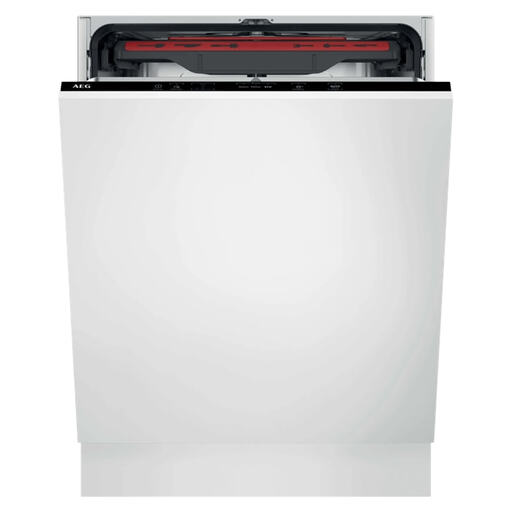 Image unavailable
Only consider this model if your kitchen has a recess and cabinet door that are compatible with a fully integrated appliance. The title lists 14 place settings and a C energy rating, but its stated width doesn’t match the product page. Confirm the appliance’s dimensions before choosing a cabinet door or arranging installation.
 Image unavailable
Worth comparing for regular use if you’re looking for a 14-place-setting freestanding model with a C energy rating, according to its title. The width listed in the title doesn’t match the product page, so confirm the exact dimensions before checking whether it will fit in your kitchen.
Not in every situation. UFC-Que Choisir says a dishwasher uses two to three times less water than traditional hand-washing. To work out whether an appliance makes sense for your household, also consider how much you wash, how often you run it, and the electricity and products it uses.
Measure the space and check the water inlet, drainage and electrical supply. For an integrated model, also confirm the recess dimensions and compatible cabinet door. Electrolux’s pre-installation guide distinguishes connecting the appliance from any carpentry, plumbing or electrical work.
Compare their energy label figures on a like-for-like basis. The European Commission lists, among other things, electricity use per 100 Eco cycles, water use per cycle, programme duration and capacity. These figures won’t necessarily reflect a quick or intensive programme.
Yes. The French decree of 22 April 2022 on the repairability index for household dishwashers includes integrated and built-in appliances. Check the score for the model you’re considering rather than assuming it applies to an entire brand.