
Livraison le jour même ou le lendemain

Qualité garantie

Débloquez vos offres de bienvenue: Livraison GRATUITE | Jusqu'à -80 % | 30 jours d'essai gratuits à JoyPlus
Téléchargez l'application
A cut while preparing dinner, a blister after a hike or a graze on the road can quickly make a first aid kit essential. But you need to avoid buying on a whim: plasters that peel off when they get wet, dressings with already damaged packaging, or antiseptics used without checking their instructions.
To put together a truly useful kit, it’s better to focus on what each product does, its format and how it should be used, rather than just marketing claims.
A wound cleansing spray is used to clean a wound, in line with the instructions on its packaging. A skin disinfectant serves a different purpose and must be applied following its leaflet. The plaster or dressing then comes in to protect the area.
These products are not interchangeable. The Hansaplast cleansing spray, for example, is indicated for certain acute wounds, while the colourless Mercurochrome disinfectant contains chlorhexidine and must be used according to its labelling. Avoid applying several products to the same area without checking they are compatible.
A clear plaster isn’t necessarily suitable for a blister, and a waterproof one isn’t right for every injury. Hydrocolloid plasters are designed for uninfected blisters: when they come into contact with moisture, they form a gel that protects the area. Standard plasters are generally better suited to small cuts and grazes.
A roll of surgical tape or an elastic bandage may also be needed to hold a dressing in place, particularly on fingers, wrists or ankles.
A first aid kit left in an overheated car, a damp bathroom or at the bottom of a hard-to-reach bag may no longer be usable when you need it. Check expiry dates regularly, along with the condition of sterile packaging and whether any items have been used up.
Start by identifying exactly what you need:
For a dressing, check it is marked sterile, comes in individual packaging and check the size. Mercurochrome dressings in hydrophilic gauze measure 5 × 5 cm folded and 20 × 20 cm unfolded. Another ultra-soft option measures 7.5 × 7.5 cm and comes in individual sachets of two.
An opened, damp or damaged sterile pack should not be used as if it were intact. For plasters, also check the width, length and how well they conform to the area without creasing.
Waterproof plasters are handy in the shower or during activities where they might get wet. However, the skin must be cleaned and thoroughly dried before application. Being waterproof doesn’t mean the plaster will stay on indefinitely.
With an elastic bandage, be careful not to restrict circulation. Remove it if you experience numbness, tingling or a change in colour. For a biocidal product, always read the safety precautions, especially warnings about eyes, ingestion and children.
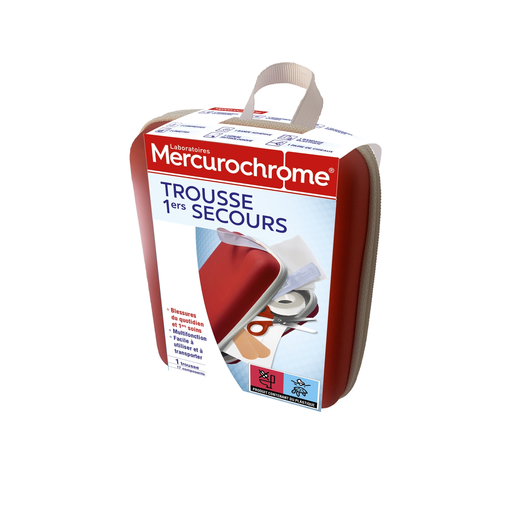
Why this choice suits this profile: This ready-to-use format is ideal for a household that wants to gather the essentials for minor accidents at home, while travelling and on days out.
The kit saves you from buying several items separately without checking they work together. Its contents should still be checked and replenished after each use.
A lightweight, easy-to-carry format, suitable for home, travel and outdoor activities.
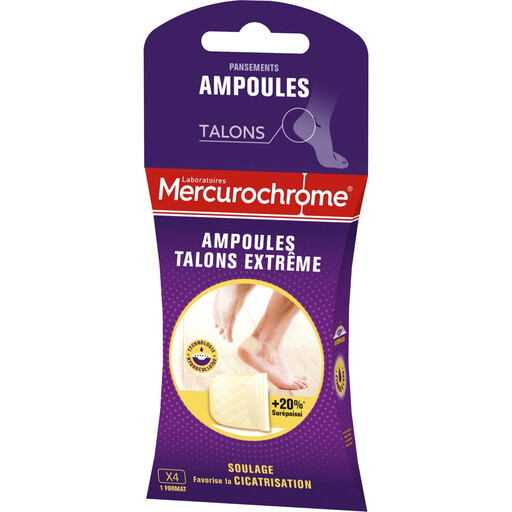
Why this choice suits this profile: Those who pay close attention to comfort on the heel and sole now have a hydrocolloid option with a reinforced protective mesh.
Its shape, designed for the heel and sole, reduces the risk of choosing a size that is too small or poorly suited to a particularly hard-working area.
Box of 4 plasters, tapered edges, hydrocolloid technology and water resistance according to the product sheet.
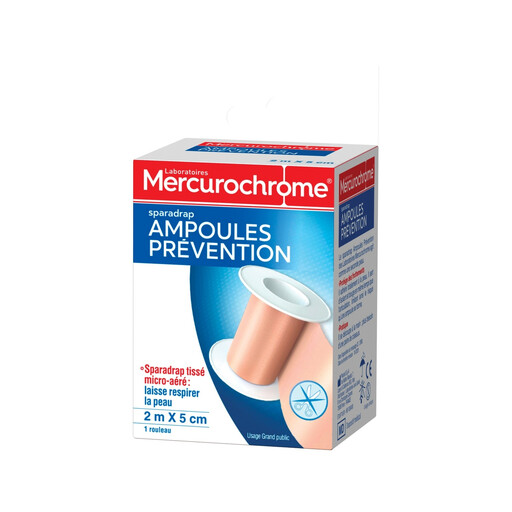
Why this choice suits this profile: Hikers, runners and travellers can cut off the length they need before an activity that is likely to cause friction.
This is a preventive solution to apply to intact skin, not a plaster intended to cover an existing blister.
2 m × 5 cm roll in woven fabric, adhesive and tearable by hand.
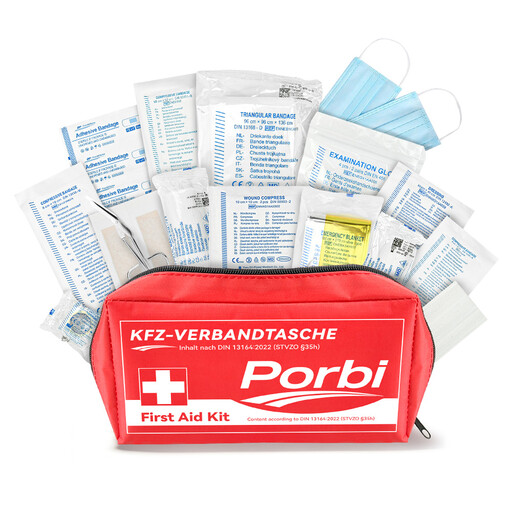
Why this choice suits this profile: This kit is aimed at drivers who want to keep an organised set of supplies in their vehicle for roadside incidents and journeys.
The detailed list prevents you from ending up with a car kit that only contains plasters. Still check the version and condition of the contents when you receive it.
Includes gloves, sterile dressings, elastic bandages, a survival blanket, scissors and a manual, among other items.
We’ve put together a comprehensive, real-time updated selection of products that meet these exacting criteria as well as European safety requirements.
Keep your first aid kit in a place that is accessible, dry and easy to identify. At home, a cupboard out of reach of young children will be more practical than an overcrowded drawer. In a car, avoid leaving it in direct sunlight for long periods.
After each use, replace any single-use items. Check the expiry dates of antiseptics, sprays and dressings, as well as the integrity of their packaging. Washable bandages should be cleaned according to their instructions and replaced if they lose their elasticity.
For deep wounds, bites, serious burns, persistent bleeding or signs of infection, these products are not a substitute for medical advice. Always follow the instructions on each pack.
At a minimum, include plasters in several sizes, sterile dressings, surgical tape, a suitable cleansing or disinfecting product, disposable gloves and a pair of scissors. For an active family, add hydrocolloid plasters as well as protection for corns and calluses.
The shelf life varies depending on the product. Check the date printed on the packaging and never use a dressing whose sachet is open or damaged. Once opened, some sprays also have a limited period of use, as stated by the manufacturer.
No. Waterproof plasters are useful when the area is likely to be exposed to water. For a blister, a hydrocolloid option will often be more suitable, while a dressing held in place with surgical tape will work for other minor injuries. The choice should always take into account the area affected, the condition of the skin and the intended use.