
Livraison le jour même ou le lendemain

Qualité garantie

Débloquez vos offres de bienvenue: Livraison GRATUITE | Jusqu'à -80 % | 30 jours d'essai gratuits à JoyPlus
Téléchargez l'application
A first aid kit and plasters might seem simple to choose. Yet some purchases disappoint from the very first use: plasters that peel off when they get wet, sizes too narrow for fingers, missing dressings or a poorly organised kit.
To avoid these unpleasant surprises, start by defining the intended use. A kit destined for the car doesn't meet the same needs as an assortment of plasters for the family, hiking or blisters on feet.
A box displaying several dozen pieces may contain mostly small plasters all in the same size. Instead, check the variety of sizes and types: small formats, finger plasters, dressings, bandages, gloves and cutting tools.
At home, an assortment of family plasters covering several sizes saves you from having multiple boxes. In the car, the presence of sterile dressings, a survival blanket and gloves matters more than simply the number of plasters.
Waterproof plasters resist water under certain conditions, but they must be applied to clean, dry skin. A poorly stuck edge, heavy sweating or prolonged immersion can compromise their adhesion. Replace them as soon as they become wet, dirty or loose, following the instructions on the packaging.
A blister caused by friction needs a size that properly covers the area while accommodating foot movement. Hydrocolloid plasters form a gel on contact with exudate and are designed to stay in place for several days, depending on the product and the situation. They do not replace medical advice if there are signs of infection.
Similarly, a standard plaster isn't necessarily suitable for a very mobile fingertip or reactive skin.
For a car first aid kit, choose a well-organised kit with a detailed contents list. A DIN 13164 first aid kit follows a composition compliant with this German standard, including plasters, bandages, dressings, gloves, a survival blanket and scissors. However, the stated compliance should be verified on the product page and packaging.
A kit for the car should also remain accessible, protected from moisture and extreme heat. Regularly check expiry dates and replace any used items.
Read the instructions carefully regarding external use, plaster changes and contraindications. Haemostatic plasters, for example, are intended for certain small cuts, in line with the manufacturer's recommendations. They should not be considered a solution for heavy bleeding.
A deep wound, an animal bite, an extensive burn, visible infection or persistent bleeding requires appropriate medical attention. People with diabetes or circulatory problems should seek advice from a healthcare professional before using certain products, especially those intended for corns and blisters.
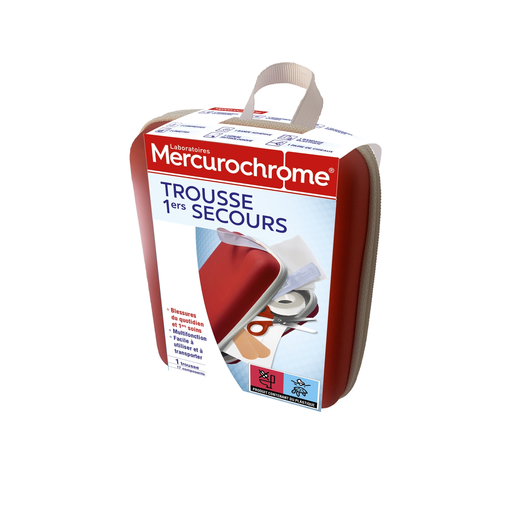
Why this choice suits this profile: this portable kit provides a good foundation for equipping yourself at home, on the go or during outdoor activities. Its product page states it contains items intended for everyday minor injuries.
It saves you from having to assemble your own kit and risk forgetting the essentials. Still, do check the exact contents and expiry dates of the individual items.
A lightweight format, practical storage and intended use for home, travel and outings.
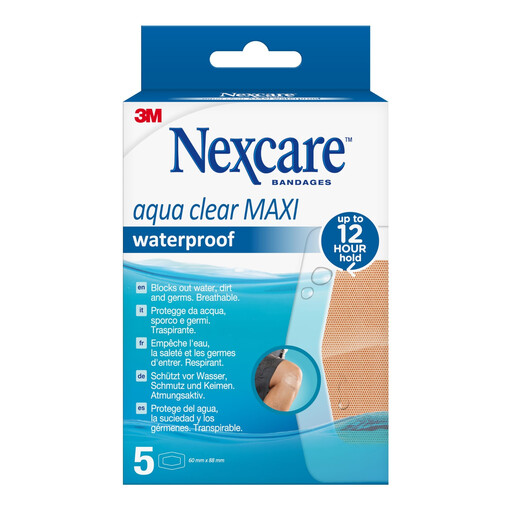
Why this choice suits this profile: this size is aimed at users looking for discreet, water-resistant protection for outdoor activities, travel or slightly larger superficial wounds.
Its product page states 360° waterproof protection and recommends changing it after twelve hours, or if it becomes loose, damp or dirty.
Five plasters measuring 60 × 88 mm, a non-stick pad and a material stated to be natural latex-free.
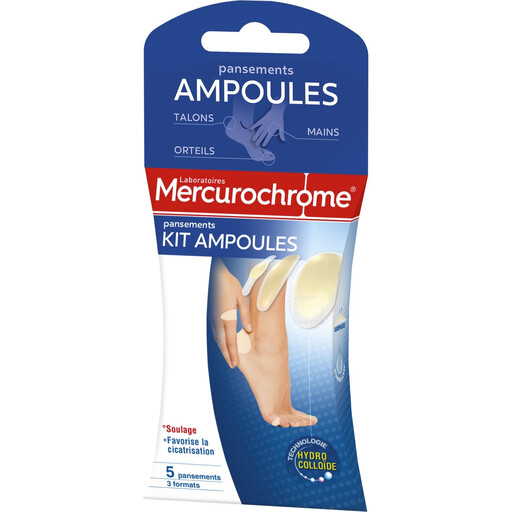
Why this choice suits this profile: this product targets foot blisters caused by friction, particularly during walking, travel or sporting activities.
Its size is specifically designed for blisters, rather than repurposing a general-purpose plaster that might cover the area inadequately.
Hydrocolloid technology, a transparent material and water resistance as stated on the product page.
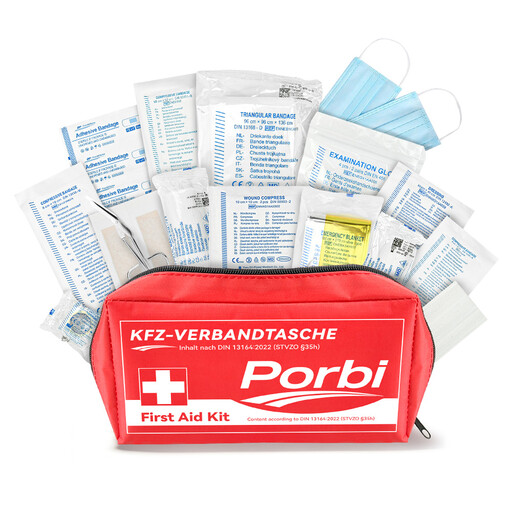
Why this choice suits this profile: this red kit is designed to stay in a vehicle. It brings together useful items in case of an incident on the road or during a journey.
The detailed contents list reduces the risk of buying a pouch that only contains adhesive plasters. However, it should be checked upon receipt.
The stated contents include sterile dressings, bandages, four pairs of gloves, a survival blanket, scissors and a sterile burn dressing.
We have compiled a comprehensive, real-time updated list of products that fully meet these strict selection criteria and European safety regulations.
The duration depends on the products it contains. Regularly check the dates on the packaging, especially for dressings, sterile plasters and individually packaged items. Immediately replace any item that has been used, become damp or damaged.
Include several sizes of plasters, finger plasters, sterile dressings, adhesive tape, disposable gloves and a pair of scissors. Add hydrocolloid plasters if family members do a lot of walking or take part in sporting activities. For sensitive skin, choose micro-ventilated and natural latex-free models where this feature is indicated.
They may be suitable for certain small cuts, provided you follow the instructions strictly. Heavy bleeding that is difficult to control or caused by a deep wound requires you to contact emergency services promptly.