
Same-day & Next-day Delivery

Quality Guaranteed

Unlock Your Welcome Offers: FREE Delivery | Up to 80% OFF | Free 30-day JoyPlus trial
Download the APP
A first aid kit may seem simple to buy. However, a poorly planned selection can quickly become useless: plasters that are too small, adhesive that comes loose in damp conditions, too few dressings or products that are unsuitable for everyday minor accidents.
Before ordering a first aid kit, it is therefore better to look beyond the number of items shown on the packaging. Here are the criteria to consider when equipping your home, car, hiking bag or suitcase without weighing yourself down with items you are unlikely to use.
A first aid kit containing several dozen pieces is not necessarily well balanced. Some models count every strip or dressing separately, while leaving out the most practical formats: finger plasters, sterile dressings, medical tape or elasticated bandages.
For treating minor injuries, check in particular that the kit contains several sizes of plasters, disposable gloves, scissors and a fastening system.
A waterproof plaster can protect a graze or superficial cut in the shower. However, it must be applied to clean, dry skin and replaced if it becomes wet, dirty or starts to come away. Water-resistant protection does not replace cleaning the wound or seeking medical advice in the event of a serious injury.
Hydrocolloid plasters meet a very specific need: protecting against rubbing and relieving blisters. They are not suitable for every type of wound.
The term “antiseptic” can be confusing. Take the time to read the label, instructions and the manufacturer’s usage precautions. For example, the Mercurochrome hydrogen peroxide solution featured in this selection is described as being for hair bleaching and must not be used to disinfect a wound. The Hansaplast solution, on the other hand, is presented as suitable for cleaning minor wounds: follow its instructions carefully.
At home, prioritise a kit containing sterile dressings, wound-cleaning spray, plasters in different sizes and medical tape. Families may also want to keep waterproof plasters for water-based activities and blister plasters, particularly for new shoes.
For the car, choose a compact kit that is easy to locate and comes with a detailed list of its contents. Porbi kits advertised as complying with the DIN 13164 standard include gloves, dressings, bandages, an emergency blanket, scissors and instructions. However, this German standard should be distinguished from any obligations that may apply to your particular circumstances in France.
A roll of medical tape measuring 2,5 cm × 5 m or 7 m × 2,5 cm can be used to secure dressings while making it easy to adjust the length. For areas that move, such as fingers, wrists or ankles, an elasticated bandage can hold a dressing in place, provided it is not tightened so much that it restricts circulation.
Individually wrapped sterile dressings remain protected until opened. Always check that the packet is intact before use and never reuse single-use items.
Keep the kit in a dry place that is accessible to adults but out of children’s reach. In a car, avoid leaving it exposed to significant temperature fluctuations for long periods. After each use, replace any missing items and check the expiry dates.
A quick stock check twice a year is generally enough to identify dried-out plasters, damaged adhesive products or items whose instructions have gone missing.
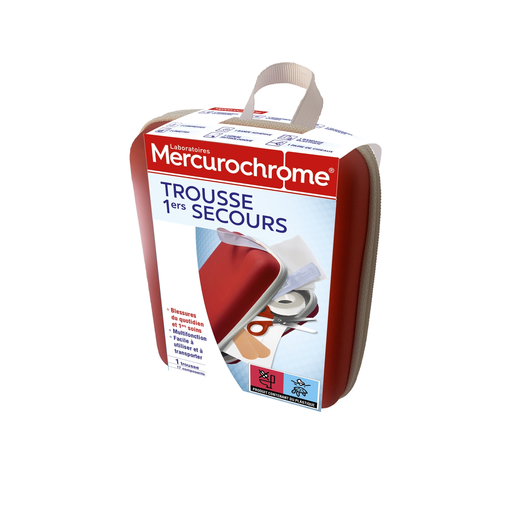
Why this choice suits this profile: This format is designed for common injuries at home, while travelling or during outdoor activities. A great first kit that is easy to store and carry.
The kit is presented as a set for minor accidents and reminds you to check items that have been used or have reached their expiry date.
Lightweight format, practical case and versatile use at home, while travelling or on an outing.
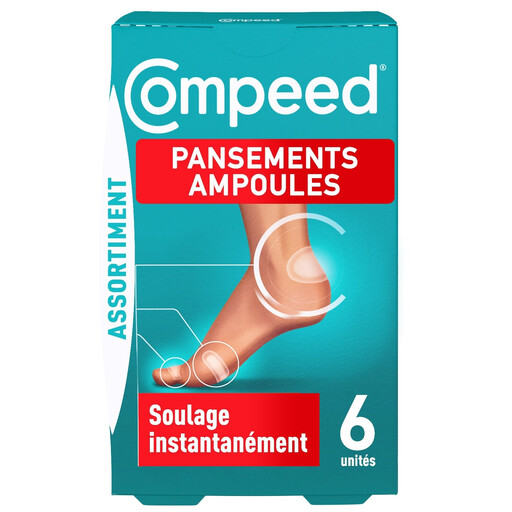
Why this choice suits this profile: Walkers, travellers and people who are particularly prone to rubbing have three foot-specific sizes: two medium, two small and two toe plasters.
The assortment helps you avoid being left with a single size that is unsuitable for the area concerned. It is intended only for non-infected blisters.
Hydrocolloid technology, a range of sizes and application to clean, dry skin.
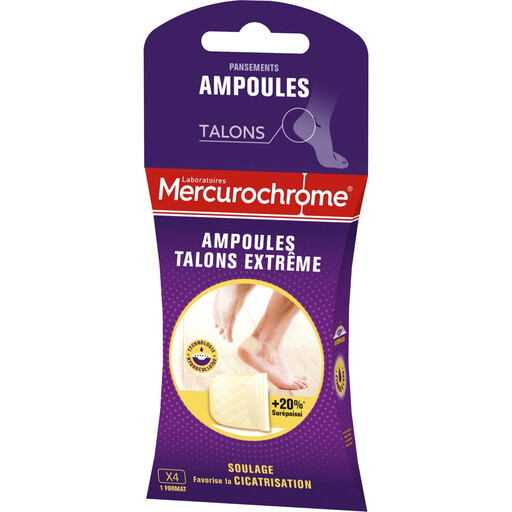
Why this choice suits this profile: Hikers and sportspeople who are particularly exposed to heel rubbing can choose a model with a reinforced protective area and thinner edges.
Its targeted shape avoids the compromises of applying a standard plaster to a highly stressed area. However, it is not suitable for infected or deep wounds.
Heel format, cushioning mesh described as thicker and water resistance.
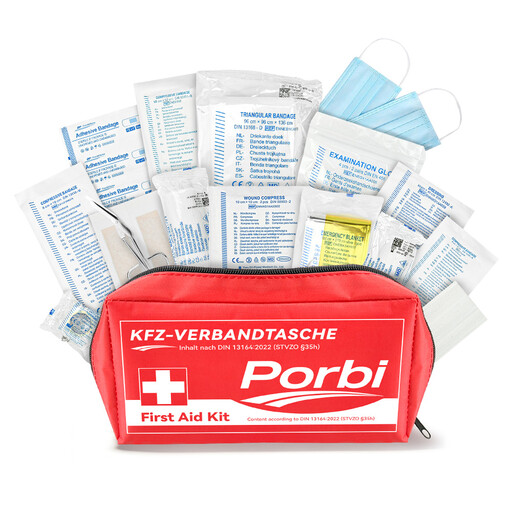
Why this choice suits this profile: This car first aid kit is suitable for anyone who wants to keep useful supplies together in a dedicated case in case of trouble on the road or while travelling.
The detailed list lets you check the contents before buying, rather than relying solely on the words “complete kit”.
Gloves, elasticated bandages, sterile dressings, an emergency blanket, scissors and a manual included according to the product listing.
We have put together a complete, real-time updated list of products that meet these strict selection criteria and European safety requirements.
At a minimum, include sterile dressings, plasters in several sizes, medical tape, disposable gloves, scissors and a product suitable for cleaning wounds. Add blister plasters if members of your household go walking or play sport.
Shelf life varies between items. Check the dates shown on the packaging and immediately replace any product that has been opened, used, exposed to moisture or damaged. Checking the kit every six months is a simple and effective routine.
Yes, provided its contents suit the intended use. A car first aid kit should remain accessible and withstand being transported. For travelling, choose a compact format and add products suited to your activities, such as waterproof or hydrocolloid plasters. In the event of a deep wound, serious burn, heavy bleeding or signs of infection, seek medical advice promptly.