
Livraison le jour même ou le lendemain

Qualité garantie

Débloquez vos offres de bienvenue: Livraison GRATUITE | Jusqu'à -80 % | 30 jours d'essai gratuits à JoyPlus
Téléchargez l'application
A first aid kit shouldn’t be chosen based solely on the number of plasters advertised on the packaging. Whether it’s for the home, the car, a hike or a trip abroad, its contents need to match the situations you’re most likely to face. A kit that’s too compact may lack dressings, while an overstuffed one can accumulate useless items that are hard to identify in an emergency.
Here are the key criteria to check before you buy, along with a selection of kits suited to different needs.
Packaging that boasts “100 pieces” may count every single small adhesive strip separately. That number doesn’t tell you much about the kit’s real ability to handle a larger wound, a superficial burn or a mild sprain.
Instead, check for sterile dressings, gloves, bandages, scissors, a survival blanket and plasters in several sizes.
Not all products labelled as antiseptics are suitable for the same uses. For example, MERCUROCHROME Hydrogen Peroxide Antiseptic 200 ml is described as intended for external use on hair, not for wound disinfection. So it shouldn’t be automatically added to a travel kit.
For minor injuries, take the time to read the instructions and the label. A skin disinfectant, a wound cleansing spray and a solution intended for cosmetic use are not interchangeable.
A kit quickly loses its value if the products are jumbled together, the sterile packaging is damaged, or the expiry dates are never checked. Choose a pouch that’s easy to spot, simple to open and suited to where it will be kept: the car boot, a rucksack, a family cupboard or cabin luggage.
For the home and for travel, plan for at least:
Families, sportspeople and hikers can add blister plasters, friction protection and waterproof plasters to their kit.
A car first aid kit described as compliant with DIN 13164 typically includes plasters, dressings, bandages, gloves, a survival blanket and various first aid accessories. The Porbi models shown below, for instance, include:
The DIN 13164 mark should be checked on the packaging and in the seller’s product listing. It doesn’t replace the need to check the requirements that apply to your vehicle, nor to replace used or expired items.
Waterproof plasters are suitable for small cuts and grazes where contact with water is likely. The Hansaplast Aquaprotect model is designed for the shower, bath or swimming, with a breathable backing and a pad that won’t stick to the wound.
For feet, you need to distinguish between two uses:
Corns and callus protection serves a different purpose: it cushions the pressure from footwear, but doesn’t treat the cause of the corn.
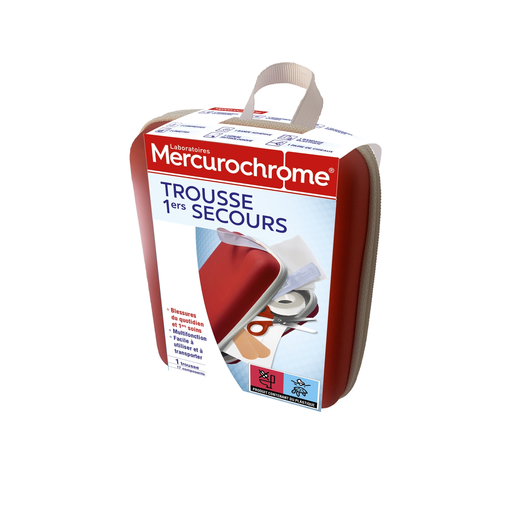
Why this choice suits this profile: Its portable format works well as a first kit for the home, days out or occasional trips.
The kit brings together the essentials for minor injuries, rather than multiplying individual items that are hard to organise.
A lightweight format, practical storage and intended use for the home, travel and outdoor activities.
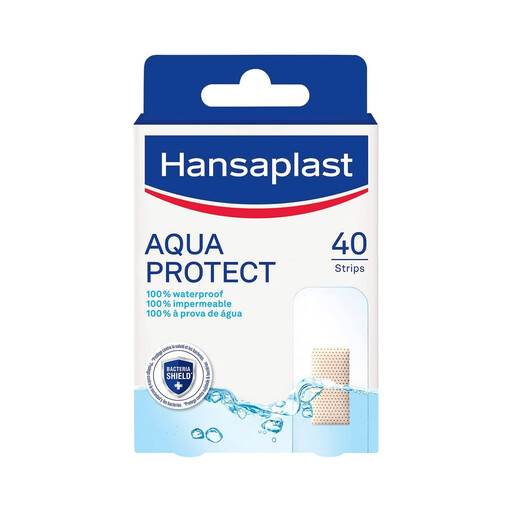
Why this choice suits this profile: It’s aimed at those who want a generous supply of plasters on hand for everyday and water-based activities.
The 40 plasters are already pre-cut, so you avoid wasting a roll that’s poorly suited to small wounds.
Waterproof protection, a breathable backing and a non-stick pad.
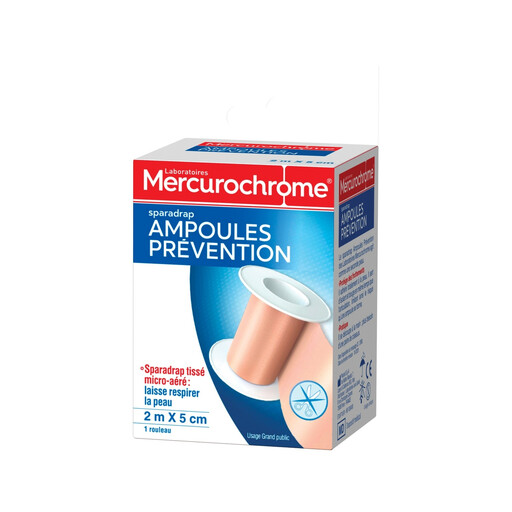
Why this choice suits this profile: Hikers, runners and people who regularly wear safety shoes can protect areas prone to friction before the activity.
It’s a roll designed to prevent friction, not a plaster to apply to an open blister.
A 2 m × 5 cm roll of woven fabric, cuttable to the length you need.
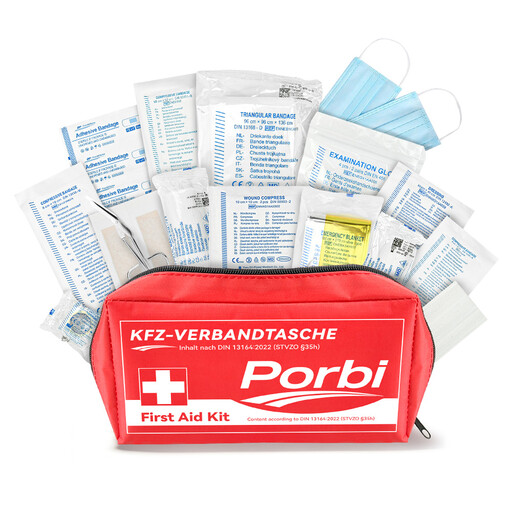
Why this choice suits this profile: Its contents are designed to stay in a vehicle, for daily commutes as well as holidays and family trips.
The product listing mentions the DIN 13164 standard and details the contents. This lets you check what’s included rather than relying on the “car kit” label alone.
The product listing mentions dressings, elastic bandages, gloves, scissors, a survival blanket, a burn dressing and a manual.
We’ve put together a comprehensive, real-time selection of products that meet these demanding criteria and European safety regulations.
Check its contents every six to twelve months, as well as after each use. Replace any opened, soiled or expired items straight away. A sterile dressing should not be used if its sachet is torn or damp.
Store disinfectants away from heat and follow the warnings on the packaging: some products are flammable or irritant to the eyes. For Hansaplast plasters, Mercurochrome products and other brands, always follow the instructions and manufacturer’s guidelines.
In the case of a deep wound, an animal bite, a serious burn, persistent bleeding or signs of infection, a first aid kit is not a substitute for medical advice.
It can include plasters, sterile dressings, a suitable cleansing solution, gloves, scissors, an adhesive bandage and an elastic bandage. For an active family, add waterproof plasters and blister plasters.
A car kit described as compliant with DIN 13164 is a good starting point. However, do check its actual contents, the condition of the packaging and the requirements that apply to your vehicle. Whether red or black, the kit should stay easily accessible and not get buried under luggage.
It depends on each item. Expiry dates are printed on the individual packaging. Replace any expired, used or damaged items, even if the pouch itself is still in perfect condition.