
Livraison le jour même ou le lendemain

Qualité garantie

Débloquez vos offres de bienvenue: Livraison GRATUITE | Jusqu'à -80 % | 30 jours d'essai gratuits à JoyPlus
Téléchargez l'application
An inadequately equipped first-aid kit, a thermometer that is difficult to clean or a respiratory device purchased without checking its accessories can quickly turn a useful purchase into an unnecessary expense. For families, caregivers, motorists, travellers and athletes, first-aid and home-care essentials should primarily suit their intended use, be easy to store and come with clear instructions.
For this 2026 selection, we prioritised verifiable features over vague promises printed on packaging.
A large first-aid kit is not necessarily the best organised. Check that it contains plasters in several sizes, sterile dressings, gloves, bandages, scissors and an emergency blanket. For cars, a model compliant with the DIN 13164 standard can make it easier to check the contents. However, you must still verify the regulations that apply to your situation and replace expired or used products.
A contactless medical thermometer is practical at night or when taking a young child’s temperature, but the measuring distance, ambient temperature and forehead positioning can affect the result. A family digital thermometer with a probe, meanwhile, requires careful cleaning and use in accordance with the instructions. A resolution of 0.1°C does not guarantee that every reading will be accurate under all conditions.
When choosing a quiet portable nebuliser, noise level is only one consideration. Reservoir capacity, battery life, the inclusion of a child-sized mask and cleaning after every use are equally important. A compressor nebuliser runs from mains power and provides continuous output, but it is generally bulkier than a vibrating-mesh model.
At home, keep at least adhesive plasters, sterile dressings, disposable gloves, medical tape and a suitable solution for cleaning minor wounds. Families with children may also wish to add instant cold packs, which are useful after a minor bump or insect bite. Always place a cloth between the cold pack and the skin.
For use in a car, the Porbi DIN 13164 car first-aid kit includes plasters, elasticated bandages, an emergency blanket, a sterile burn dressing, gloves, masks and scissors, among other items. Its contents should nevertheless be checked regularly.
For a thermometer, pay particular attention to:
For a nebuliser, compare the mist output rate, median particle size where specified, noise level, reservoir capacity and the availability of replacement masks or filters. These devices must be used in accordance with a prescription or the recommendations of a healthcare professional.
Store products in a dry place at a moderate temperature and out of children’s reach. Instant cold packs are single-use products. A reusable hot-and-cold gel pack should be inspected before each use, then heated or cooled according to its instructions. For restorative creams, check the period of use after opening and stop treatment at the first sign of irritation.
Cryotherapy treatment for warts also requires careful attention to the safety instructions. The Mercurochrome device featured here is intended for external use and contains a pressurised flammable aerosol. It must not be used near a flame, exposed to temperatures above 50°C or left within children’s reach. If you are unsure about a lesion, seek medical advice before applying any treatment.
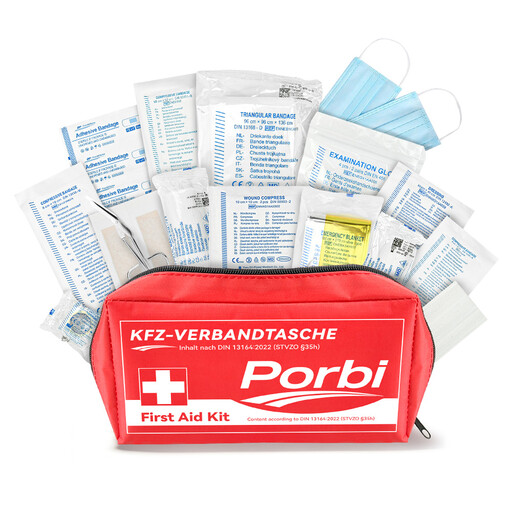
Why it suits this profile: This red kit fits neatly in a car. It is ideal for drivers who want to keep everyday first-aid supplies together in one case, whether for daily commutes, holidays or business travel.
The detailed contents list makes it easy to check what the kit actually includes instead of relying solely on its appearance or the advertised piece count.
Bandages, plasters, sterile dressings, emergency blanket, gloves, scissors and manual included according to the product description.
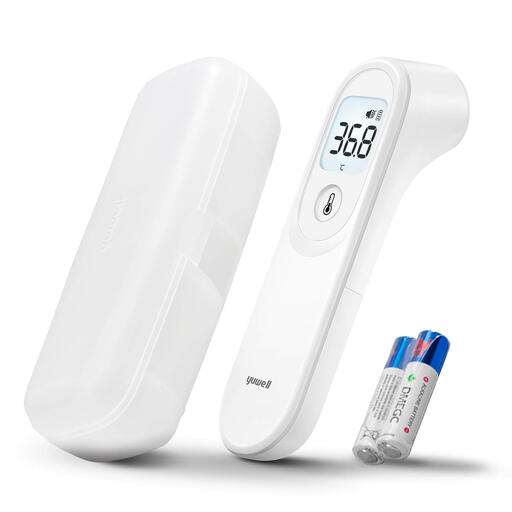
Why it suits this profile: One-button operation, a backlit display and silent mode are particularly convenient for taking the temperature of a sleeping child or older adult.
The distance sensor helps maintain the recommended positioning. However, you should follow the instructions and treat the reading as an indication, not a diagnosis.
One-second reading, large display, high-temperature alert and two AAA batteries included according to the product listing.
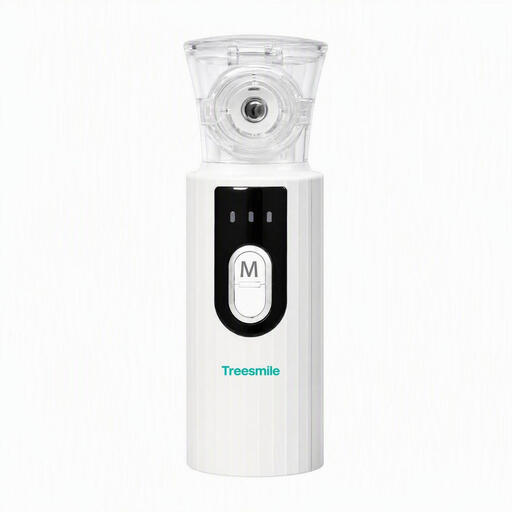
Why it suits this profile: Its compact design and rechargeable battery make it well suited to commuting, travel and home use when low noise is a priority.
The manufacturer specifies a maximum noise level of 25 dB(A), low-water detection and a self-cleaning mode. Nevertheless, the reservoir and accessories must be cleaned and dried after every use.
8 ml reservoir, two mist levels, automatic shut-off after 15 minutes and an 800 mAh battery according to the product listing.
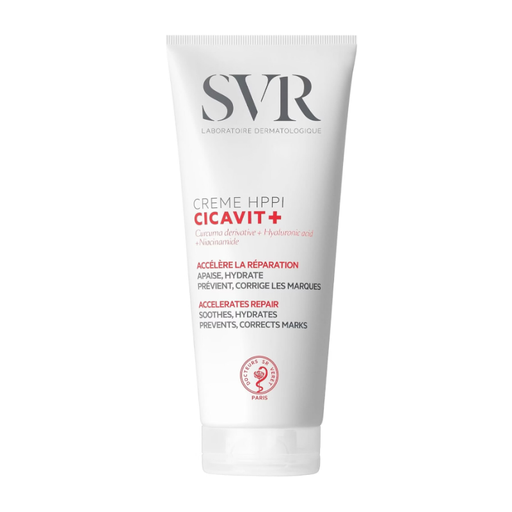
Why it suits this profile: This 100 ml cream is intended for irritated, fragile or damaged skin. It may suit several members of the family, provided the instructions are followed.
The product information specifies that the formula is fragrance-free and intended for external use only. Avoid the eye area, discontinue use if irritation occurs and do not use this product as a substitute for medical advice.
A texture that forms a non-occlusive protective film, fragrance-free formula and recommended morning-and-evening application according to the product description.
We have put together an updated selection of products suited to a range of first-aid, monitoring and home-care needs.
Start with a first-aid kit containing plasters, sterile dressings, gloves, bandages, scissors and an emergency blanket. Add a family digital thermometer, instant cold packs and a restorative cream suited to your everyday needs. Check expiry dates regularly and replace opened or used products.
A portable vibrating-mesh model is generally more compact and rechargeable. A compressor nebuliser runs from mains power and delivers continuous mist, which may be preferable for regular use at home. The right choice depends on the prescription, your routine and whether you need to take the device with you when travelling.
The kit itself can remain usable for several years if stored away from moisture. Plasters, dressings, solutions and medical devices, however, have different expiry dates. Check the contents every six to twelve months, after returning from a trip and after every use.