
Same-day & Next-day Delivery

Quality Guaranteed

Unlock Your Welcome Offers: FREE Delivery | Up to 80% OFF | Free 30-day JoyPlus trial
Download the APP
Building up a stock of first aid and home care equipment helps you manage everyday minor accidents, trips away, or routine monitoring needs with greater peace of mind. However, between marketing promises, unnecessary accessories, and products that are difficult to maintain, your shopping bill can quickly add up.
For families, parents of young children, seniors, sports enthusiasts, motorists, or travellers, three common mistakes keep cropping up:
Here are the criteria to consider before stocking up your family medicine cabinet.
A car first aid kit needs to be compact enough to fit easily in the boot, while still containing the essentials: sterile gauze, plasters, bandages, disposable gloves, a survival blanket, and scissors.
For single-use products, check the quantity available. A pack of instant cold compresses with 5 or 10 pieces can work well at home, in a sports bag, or in a vehicle. They are convenient because they activate without refrigeration, but you must place a cloth or other protection between them and your skin to reduce the risk of irritation or cold burns.
For creams, medical devices, and care accessories, also check the expiry date, batch number, and storage conditions stated on the packaging.
A medical thermometer may display a resolution of 0.1 °C, but that doesn't mean every reading is accurate to a tenth of a degree. Also look at the operating range, measurement method, audible signal, and ease of cleaning.
For a portable nebuliser, the genuinely useful information includes:
A device intended for family use must be used in accordance with its instructions. When a medication needs to be nebulised, the choice of product, dosage, and treatment duration should follow the recommendations of a healthcare professional.
A reusable hot and cold compress is not the same as a single-use instant compress. Check whether it needs to be placed in the fridge, freezer, or hot water, as well as the recommended application time.
A pill organiser must protect its contents from moisture, close securely, and allow clear organisation. Small travel-sized models are fine for everyday tablets, but they do not replace the original packaging when that is needed to identify the medication.
Finally, a cryotherapy wart treatment device must be used strictly according to its instructions. The Mercurochrome product shown below is described as a ready-to-use device for common and plantar warts on hands and feet. It contains a pressurised, flammable aerosol: it is therefore essential to follow the storage instructions, keep it away from flames, and store it out of reach of children.
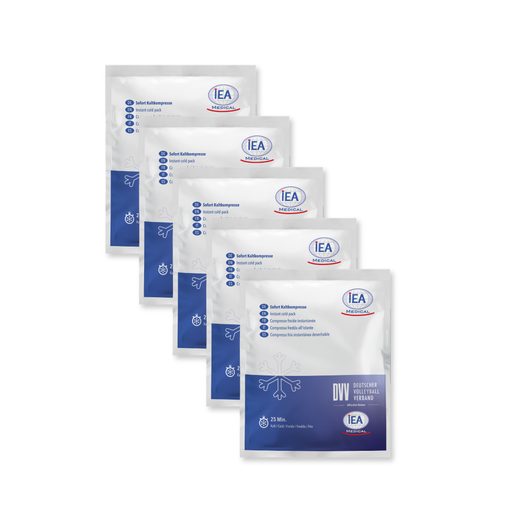
Why this choice suits this profile: This compact pack lets you stock your family medicine cabinet without needing a fridge or a power socket. It can be kept at home, in a sports bag, or taken on the go.
The listing mentions activation by squeezing and a cooling duration of around 25 minutes. However, you must place a cloth between the pack and your skin, and keep the product out of reach of children.
Activation without pre-cooling; single-use format limits re-use and the risk of cross-contamination.
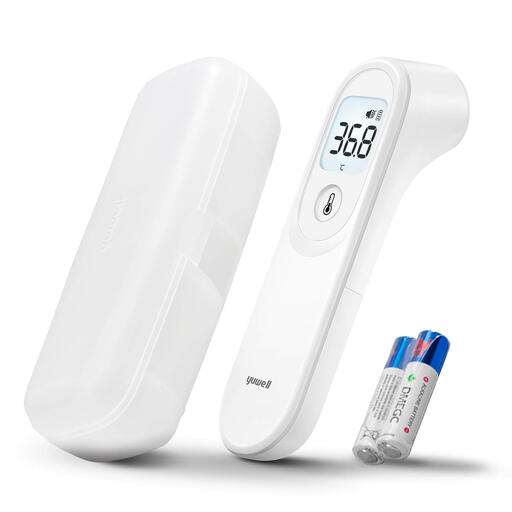
Why this choice suits this profile: Its contactless operation, backlit screen, and silent mode make it ideal for households that want a quick temperature reading, even at night.
Distance detection and the adjustment claimed by the environmental sensor provide more reliable benchmarks than a simple promise of fast measurement.
Measurement claimed in one second; display with a resolution of 0.1 °C and the option to disable the sound.
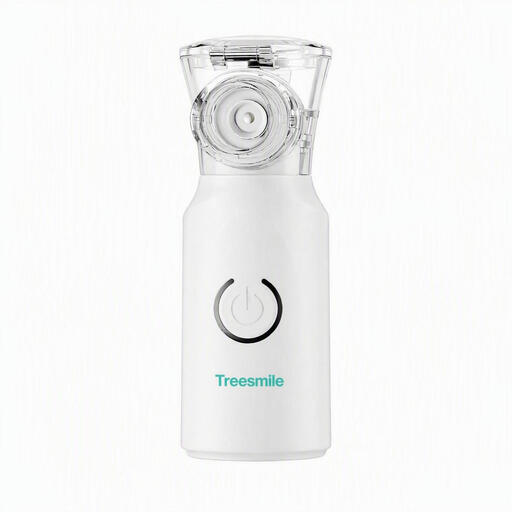
Why this choice suits this profile: This portable, rechargeable nebuliser is aimed at users who value mobility, home care, and a device that is easy to carry around.
The listing specifies the 8 ml capacity, automatic shut-off after 15 minutes, low liquid level detection, and pulse cleaning. This information lets you check that the device matches your intended use.
Two nebulisation levels; stated noise level of 25 dB(A) or less; 800 mAh rechargeable battery.
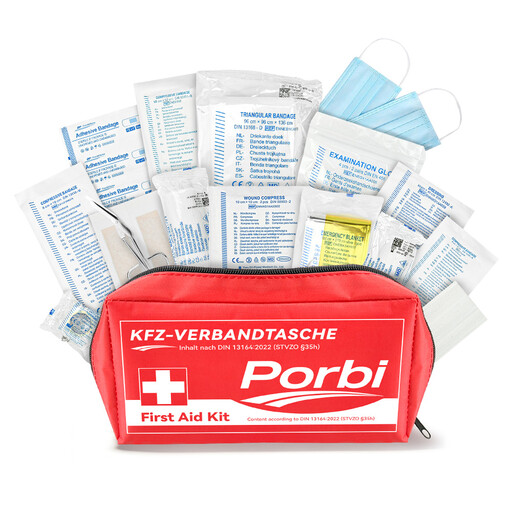
Why this choice suits this profile: Its contents are ideal for drivers who want to keep an organised set in their vehicle, for daily commutes, holidays, or unexpected roadside incidents.
The detailed contents are listed: plasters, gauze, bandages, gloves, survival blanket, scissors, and a manual. However, do check the requirements that apply to your situation and the condition of the products before a long journey.
Stated compliance with DIN 13164 standard; several plaster sizes and various protective items included.
Depending on your household's needs, you can supplement this basic selection with:
These health accessories for the whole family do not all meet the same needs. The priority remains choosing products that are suitable for the age of the users, the storage conditions available, and the recommendations on the packaging.
A practical basic kit includes plasters, sterile gauze, medical tape, disposable gloves, a thermometer, a survival blanket, scissors, and products suited to your household's needs. Check expiry dates regularly and replace any opened or damaged packaging.
The shelf life depends on each individual product. Sterile items, creams, and medical devices usually have an expiry date printed on the packaging. Heat and temperature fluctuations inside a vehicle can also affect certain components, so inspect the kit before every long journey.
The regular costs mainly depend on replacement accessories, filters, batteries or recharging, and the product used in the cup. Clean and dry the components after each use, then follow the instructions and medical advice to minimise wear and maintain hygiene.