
Livraison le jour même ou le lendemain

Qualité garantie

Débloquez vos offres de bienvenue: Livraison GRATUITE | Jusqu'à -80 % | 30 jours d'essai gratuits à JoyPlus
Téléchargez l'application
When facing the unpredictable, peace of mind is priceless. Securing your essential documents, family heirlooms, or digital media is a natural concern. A fireproof and waterproof safe seems like the ideal solution, but the market is flooded with promises that don't always hold up against fire… or water.
As product recommendation experts at Joybuy, our mission is to help you cut through the noise. Before you decide, here are the most common pitfalls to avoid so you don't turn a sound investment into a useless purchase:
To make an informed choice, ignore the marketing hype and focus on objective features. Here are the three essential points to check before any purchase.
These logos aren't just stickers; they certify rigorous testing by independent laboratories. For a fire-resistant safe, two certifications are the gold standard:
Home or office security doesn't just depend on the lock. A good safe is a defence system that combines several layers of protection:
Before you buy, take inventory of what you want to protect: passports, property deeds, jewellery, backup hard drives, etc.
We have analysed several models based on these objective criteria. Here are options that meet different needs while avoiding the pitfalls mentioned above.
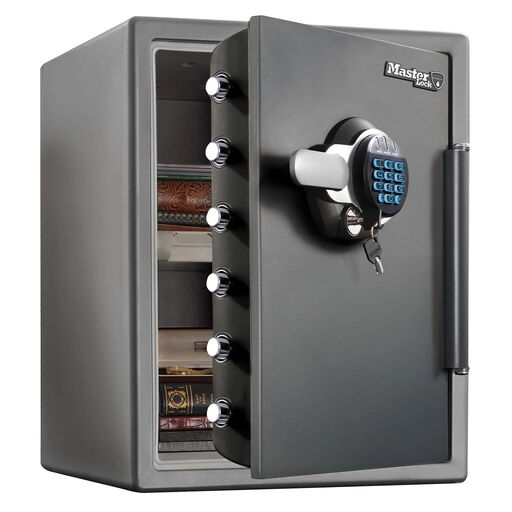
Why it stands out: Its large 56-litre capacity is perfect for SMBs or families needing to store numerous binders, electronic devices, and valuables. It's the all-in-one solution for ultimate peace of mind.
It avoids the pitfall of false promises with a UL certification for 2 hours at 927°C, double the usual standard. This provides a more than comfortable safety margin in the event of a major fire.
Its dual-locking system (digital combination + physical key) and six solid steel bolts offer formidable resistance against break-in attempts.
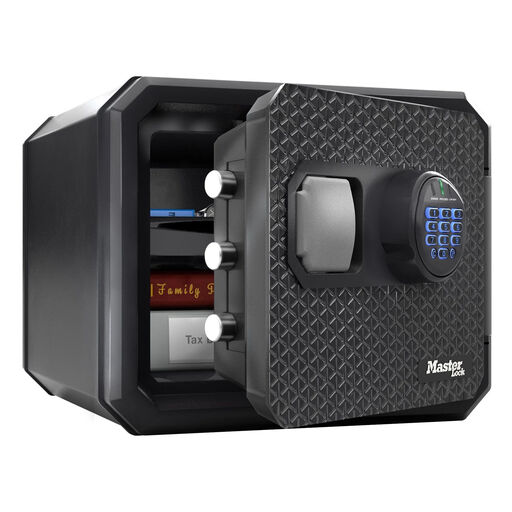
Why it stands out: This is the choice for those who demand maximum security against theft without sacrificing water protection. Its 23L volume is perfect for important documents and a few valuables.
It solves the common bolting dilemma with its waterproof anchoring kit. You can securely bolt it to the floor to deter thieves while maintaining its ETL waterproof certification.
When closed, the bolts lock automatically with a reassuring click. It's impossible to leave the safe open by accident.
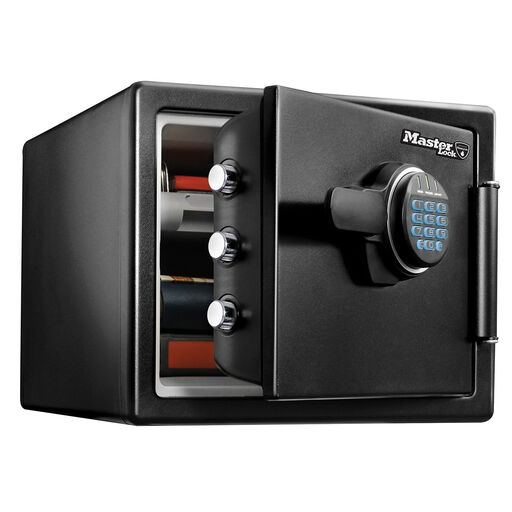
Why it stands out: It's the smart choice for individuals looking for certified protection without needing an XXL capacity. Its compact size fits easily in a closet or under a desk.
This model is fully transparent: its spec sheet clearly states that the waterproof certification is only guaranteed if the safe is not bolted down. You can choose with full awareness of the facts.
It offers an excellent protection-to-price ratio, with the trifecta of UL and ETL certifications (fire, water, and drop) in a practical format for home use.
Discover our full selection of products that meet our strict selection criteria and the highest security standards.
Bolting it down is indeed highly recommended to prevent a burglar from carrying the safe away. The problem, as we've seen, is that this often voids the water protection. If flood protection is your top priority, you have two options: opt for a very heavy model (which is difficult to move) or choose a safe specifically designed with a waterproof bolting kit.
Not automatically. Digital media (CDs, USB drives, external hard drives) are much more sensitive to heat than paper. They can be damaged as soon as the internal temperature exceeds 125°C. For effective protection, you must choose a safe that has a specific ETL certification for digital media, in addition to the standard UL certification for paper.
The steel structure and fire-retardant materials are built to last for decades. On a digital safe, the only component to monitor is the lock's power supply. The batteries typically need to be replaced every one to two years, depending on how often you use it. Rest assured, most models will alert you long before the batteries run out and always offer a backup access solution (a key or an external power supply).