
Livraison le jour même ou le lendemain

Qualité garantie

Débloquez vos offres de bienvenue: Livraison GRATUITE | Jusqu'à -80 % | 30 jours d'essai gratuits à JoyPlus
Téléchargez l'application
Protecting what matters most—passports, property deeds, digital backups, family heirlooms—is a universal concern. When faced with the risk of fire or flood, a fireproof safe emerges as the essential solution. The problem? The market is flooded with models making often-misleading marketing claims. Before you make your choice, it's crucial to know how to decode the labels and avoid the most common pitfalls.
As a product expert at Joybuy, I'm here to separate fact from fiction for you. Here are the mistakes to avoid and the criteria that truly matter.
For reliable protection, rely on facts and certifications. Here are the three parameters to examine closely before any purchase.
Fire protection for documents is governed by very strict international standards. The most reliable are:
Key takeaway: Always look for the duration (30 min, 1 hr, 2 hr) and the test temperature associated with the certification.
Waterproofing must also be certified. The ETL Verified for water submersion mark is the gold standard here. It guarantees that the contents will remain completely dry, even during full immersion, whether from a flood or fire hoses. This is a non-negotiable feature for a small home safe that holds paper documents.
The choice of locking system depends on your preferences:
Beyond the lock, inspect the build quality: concealed hinges (not exposed) and solid steel construction are signs of better resistance to both break-ins and heat-induced warping.
To help you see how these criteria apply in practice, here are a few options that meet specific needs.
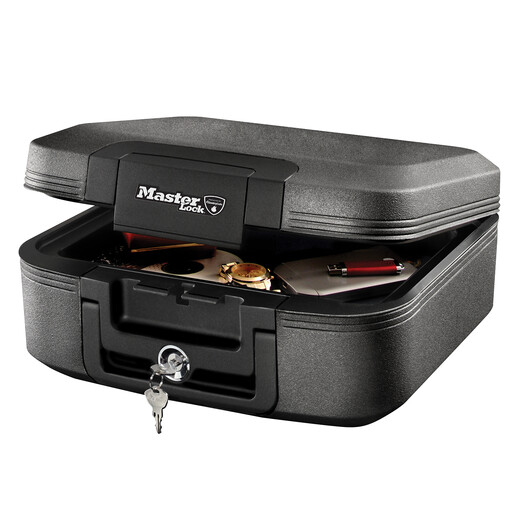
Why this model: Perfect for individuals who want to protect their important documents (passports, deeds, etc.) with ease. Its carrying handle makes it a portable solution that's easy to store or conceal.
It doesn't rely on vague claims, instead displaying clear certifications: UL Classified for 30 minutes of fire resistance at 843°C and ETL Verified for water submersion. No fuzzy marketing, just third-party verified guarantees.
The dual certified protection (fire + water). Its tubular key lock, which is more resistant to picking, is also designed to remain locked even if warped by heat.
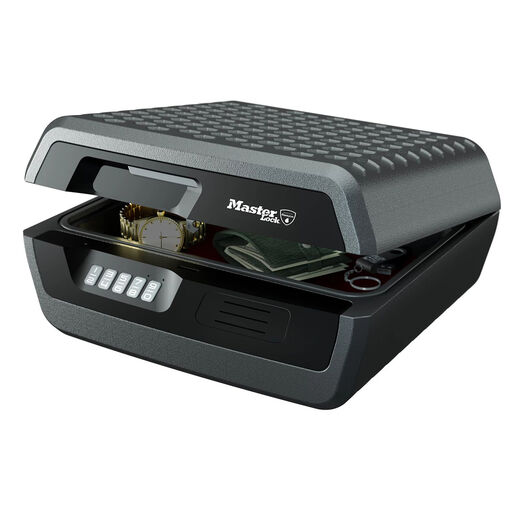
Why this model: Ideal for those who prioritise the convenience of keyless access and need to protect digital media (USB drives, hard drives) in addition to paper. Its 10L capacity is designed to hold A4 documents without folding.
It goes a step further with a specific ETL Verified certification for protecting digital media. This is a crucial, often-overlooked detail that ensures your data survives where other safes would fail.
The quick and secure access via the programmable digital keypad. The silent mode is a welcome feature for discreet use.
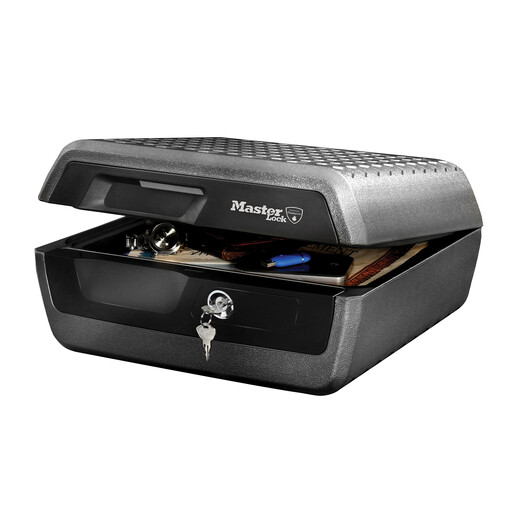
Why this model: The solution for those who demand the highest level of security. Its certification guarantees fire resistance for twice as long as the basic standard, offering essential peace of mind for high-value or irreplaceable items.
It doesn't just meet the minimum standard but takes protection to the next level: UL Classified for a full hour at 927°C. This is an objective, certified performance that makes all the difference.
Its one-hour fire endurance is its number one selling point. Paired with ETL Verified waterproofing, this dual protection makes it a true bunker for your most precious belongings in a major disaster.
If your needs are more focused on daily organisation and securing equipment or documents, a secure storage cabinet might be a better fit. Discover our selection of products that all meet strict quality criteria.
A safe's steel structure is built to last for decades. The key factor to monitor is the seals that provide fire and water resistance, as they can degrade over time. While you should always refer to the manufacturer's instructions, replacing the safe every 5 to 10 years is often recommended to guarantee unfailing protection, especially if it's stored in a location with significant temperature or humidity fluctuations.
For triple protection (fire, theft, water), the ideal placement is on the ground floor, bolted securely to the floor. Bolting it down is crucial to prevent a burglar from carrying it away. Preferably, place it in a corner of the room, as statistics show these areas are least exposed during a fire. Conversely, avoid basements (risk of flooding) and upper floors, where heat from a fire is always more intense.
Security doesn't depend on the lock type, but on its build quality. A good digital safe is just as secure as a good key-lock safe. The digital option offers the convenience of a code (but relies on batteries and electronics that can fail), while the key offers rock-solid mechanical reliability (especially tubular locks, which are very difficult to pick). The choice is therefore a matter of personal preference: the convenience of a code versus the unfailing robustness of a key.