
Livraison le jour même ou le lendemain

Qualité garantie

Débloquez vos offres de bienvenue: Livraison GRATUITE | Jusqu'à -80 % | 30 jours d'essai gratuits à JoyPlus
Téléchargez l'application
Looking for fineliner pens for keeping a bullet journal, creating an architectural sketch or adding precise details to an illustration ? With different nib widths, water-based or pigment inks and claims of durability, choosing the right set can quickly become complicated. A very colourful set will not necessarily suit your paper, while an ultra-fine technical pen may wear out quickly if you use it with a ruler.
Here are the criteria to consider before buying, along with a selection of products suited to different uses.
A nib described as « fine » may produce a 0.4 mm line, while a precision pen designed for technical drawing can go down to 0.2 mm or even less. For writing in a diary, 0.4 mm generally offers a good balance between fineness and legibility. For the details of an illustration or plan, having several widths is much more practical.
So check the measurement given in millimetres rather than relying solely on the term « fineliner ».
Pigment pens are often appreciated for their crisp lines and advertised resistance to water or fading. However, you should still check that they are compatible with your paper. Water-based ink may show through very thin paper, while permanent or alcohol-based ink can leave a lasting mark on certain surfaces.
For notes and bullet journalling, water-based ink is suitable for many uses. For drawings intended to be kept, look specifically for the terms water-resistant, lightfast or archival on the product page.
A set of 45 or 65 colours offers an extensive palette, but it also takes up more space and may leave some shades unused. Conversely, three or four black pens with different nibs may be enough for technical drawing, monochrome illustration and note-taking.
The number of pens should match how you work, the space you have available for storage and how often you take on projects.
For fine-tip felt pens, common widths range from 0.2 to 0.7 mm. A 0.2 or 0.25 mm nib is suitable for details and very fine lines. A 0.3 to 0.4 mm nib works well for writing and outlines. A 0.5 to 0.7 mm nib gives headings and contour lines greater impact.
A metal-clad nib can be used with a ruler or template while reducing the risk of deformation. This is a real advantage for students, architects and illustrators who regularly work with drawing instruments.
Permanent markers are not a substitute for pens designed for drawing on paper. If you want to write on glass, metal or plastic, choose a product whose information clearly lists the compatible surfaces.
Replace the cap after every use and, where recommended by the manufacturer, store the pens horizontally. This habit helps maintain an even ink flow. Metal cases and sturdy cardboard boxes also make transport easier and reduce the risk of losing individual pens.
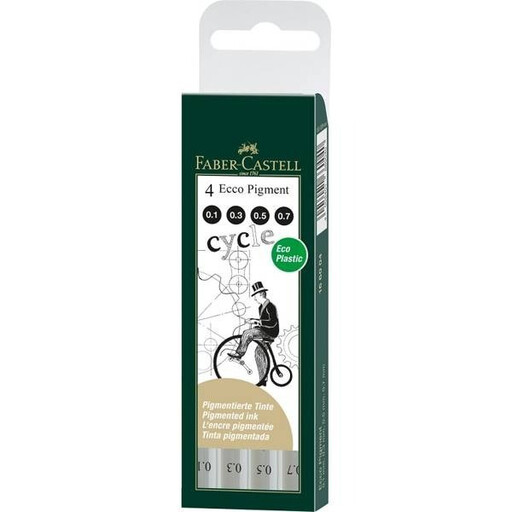
Why this choice suits this profile : With four widths of 0.1, 0.3, 0.5 and 0.7 mm, this set lets you get started with precision drawing without having to buy multiple products.
The variety of nibs means you are not reliant on a single line width and helps avoid buying a large set with pens that would remain unused.
Pigment ink advertised as water- and fade-resistant ; ergonomic barrel and horizontal storage recommended.
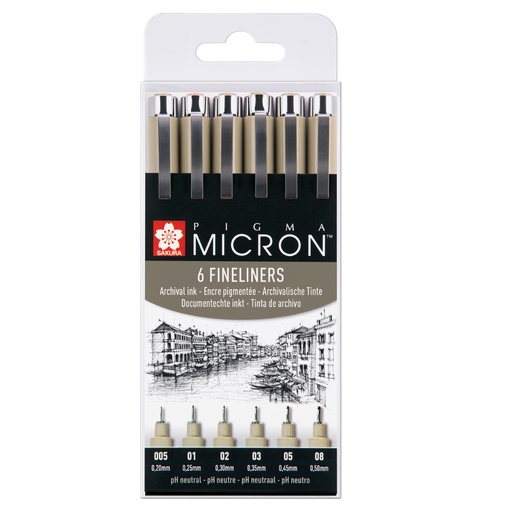
Why this choice suits this profile : This set is aimed at artists and illustrators who favour pigmented black ink and several line widths to structure their drawings.
The range of nibs reduces the risk of using a nib that is too fine or too thick for a particular stage of the drawing.
Pigma pigment-based ink advertised as resistant to water, fading and chemicals.
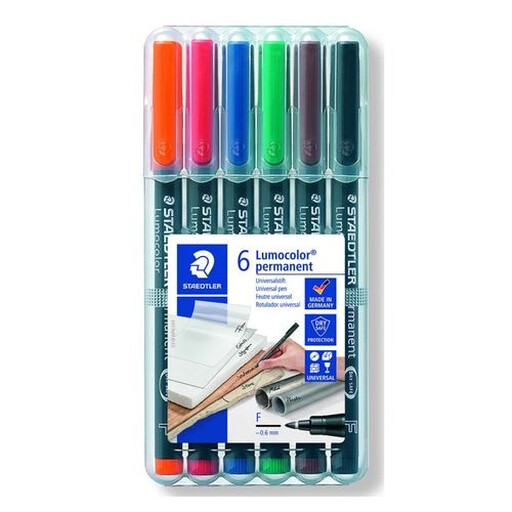
Why this choice suits this profile : With six colours and ink advertised as resistant to water and smudging on several surfaces, this set is suitable for both marking and a wide range of creative projects.
The fine 0.4 mm nib and protection against drying out when the cap is left open reduce the demands of everyday use.
Alcohol-based ink, advertised quick drying and stated compatibility with paper, plastic, glass and metal.
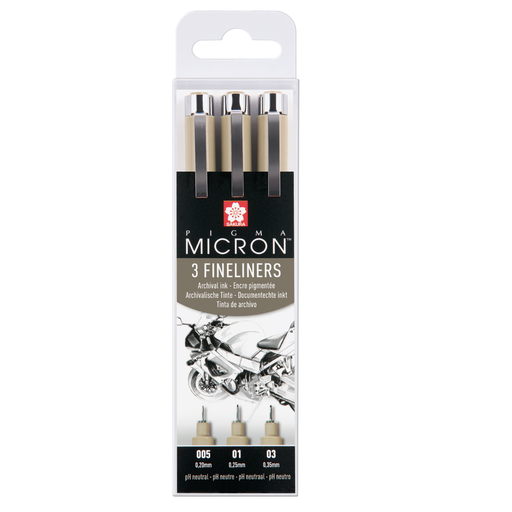
Why this choice suits this profile : The 0.20, 0.25 and 0.35 mm nibs are ideally suited to meticulous lines, plans and graphic details.
The clearly differentiated widths make it easier to establish a hierarchy of lines, without forcing you to use a single nib for every type of mark.
Pigment ink advertised as water- and light-resistant, in a format designed for technical drawing and detailed illustration.
We have put together a complete, real-time updated selection of products that meet these strict criteria and European safety requirements.
It depends on the ink formulation and the thickness of the sheet. Thin paper may allow water- or alcohol-based inks to show through on the reverse. Test the pen on a similar page before filling a notebook or bullet journal.
How long it lasts varies according to frequency of use, pressure applied, paper type and storage conditions. Replacing the cap after every use and storing the pens horizontally when recommended by the manufacturer can help maintain an even ink flow. A metal nib is also less prone to deformation than an unprotected nib.
Yes, provided the nib is sufficiently protected and designed to be guided along a ruler or stencil. Models with a metal tip are particularly practical for technical drawing. However, apply moderate pressure to protect both the nib and the paper.