
Livraison le jour même ou le lendemain

Qualité garantie

Débloquez vos offres de bienvenue: Livraison GRATUITE | Jusqu'à -80 % | 30 jours d'essai gratuits à JoyPlus
Téléchargez l'application
Filter coffee equipment lets you prepare a precise cup without the hassle of a complex machine. The range is extensive, however: filter coffee makers, cones, grinders, scales and kettles all have very different features. To avoid an impractical purchase, it is better to start with your actual habits rather than being won over by the design or a marketing promise.
An inexpensive coffee dripper can be perfectly suitable for beginners. However, an irregular shape or water that drains too quickly can lead to inconsistent results. Conversely, collecting a host of barista accessories does not automatically guarantee a better cup. Consistency mainly depends on the balance between coffee dose, grind size, temperature and water flow rate.
Ground coffee is convenient, but it gradually loses its aromas once the pack has been opened. An electric or portable coffee grinder lets you grind the beans just before brewing. Before choosing one, however, check the adjustment range, capacity and ease of cleaning: the number of settings shown on the box does not tell you everything.
A glass coffee carafe requires care to prevent thermal shock. A reusable coffee filter reduces your consumption of disposable filters, but its mesh affects the amount of particles in the cup and requires thorough rinsing. Also remember to check the size of the paper filters, the coffee maker’s capacity and the space available on your worktop.
For one person, a cone for 1 to 2 cups is generally sufficient. A 600 ml carafe can prepare one or two large cups, while a one-litre model is better suited to several people, whether at home or in the office. Please note: the stated capacity refers to the container’s maximum volume, not necessarily the amount of coffee actually served.
The V60 method and other “pour-over” preparations require a dripper that matches the size of the available filters. Before buying, check the diameter, height and compatibility between the cone, carafe and coffee scale.
A gooseneck kettle lets you pour the water more gradually than a conventional model. This controlled flow helps to wet the coffee evenly and repeat a recipe consistently. A fine spout cannot replace a steady pouring technique, though: begin by pouring a small amount of water, allow the grounds to become saturated, then continue with circular movements.
For filter coffee, a medium to medium-fine grind is a good starting point. You can then adjust it according to the brewing time and the flavour produced. An electric coffee grinder with graduated settings is practical when switching between filter coffee, a moka pot and espresso. A coffee scale with a timer, meanwhile, lets you monitor the coffee-to-water ratio and replicate a successful brew.
As a general guide, start with around 10 g of ground coffee per 150 ml of water, then adjust the recipe according to the coffee you are using. The recommendations on the packaging, particularly for ground coffee intended for filter machines, remain the best starting point.
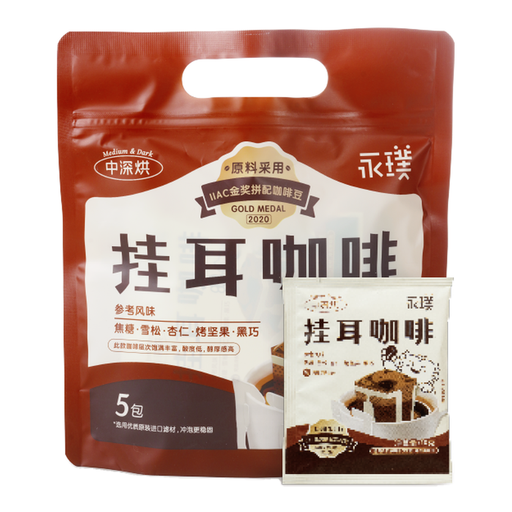
Why this choice suits this user: The five individual 10 g sachets sit directly on a cup, with no coffee maker or grinder required. A particularly practical solution for home, the office or travelling.
The individual portions reduce weighing errors and mean you do not need to invest in several accessories straight away. Simply follow the storage instructions and consume the coffee after opening.
Ground coffee made from 100% roasted beans, five 10 g sachets and machine-free preparation.
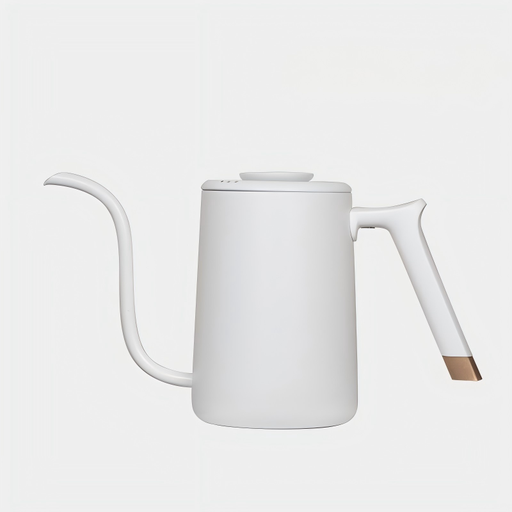
Why this choice suits this user: Its gooseneck spout is designed for precise pouring, particularly with a V60 method or another small-format coffee dripper.
With its 600 ml capacity, it saves you from having to store a large kettle when preparing one or two cups. However, check the heating method and the manufacturer’s instructions before use.
600 ml capacity and a gooseneck spout for controlled flow.
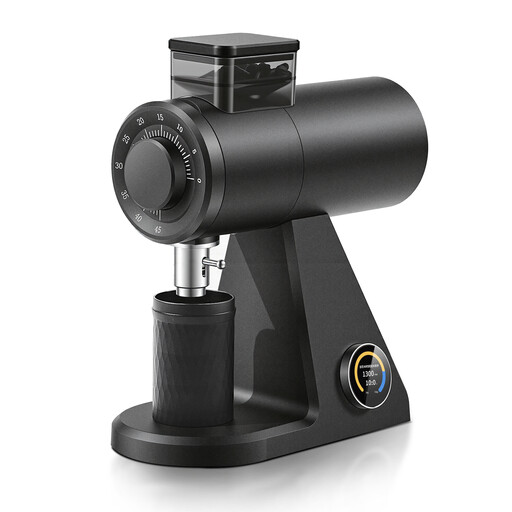
Why this choice suits this user: Its 74 mm flat burrs, speed adjustment from 600 to 1,500 rpm and timer are ideal for users who switch between filter coffee and espresso at home.
The settings and timer provide reference points that are easier to reproduce than with an unmarked grinder. Cleaning is still essential, even with a system designed to minimise residue.
Titanium-coated flat burrs, adjustable speed and magnetic burr assembly for easy removal.
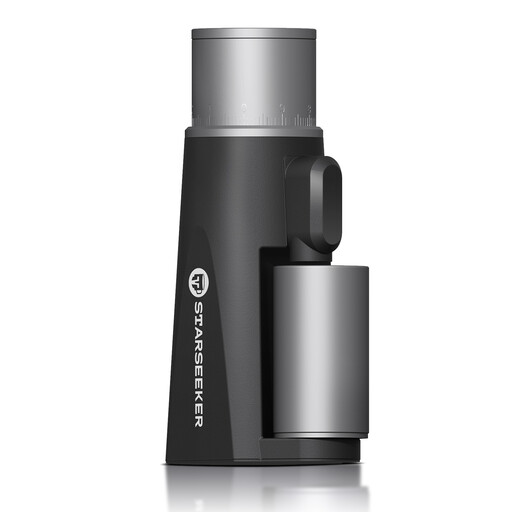
Why this choice suits this user: Its cordless operation and USB-C charging make it suitable for camping, business trips or a workspace without a nearby socket.
The battery means you do not need to rely on a socket, but you should take battery life and weight into account. The product information recommends using medium to dark roasts.
2,600 mAh battery, fine adjustment and a format designed for portable brewing.
We have put together a complete, real-time updated list of products that meet these demanding selection criteria and European safety regulations.
To achieve consistent results, follow a simple routine:
The Bodum POUR OVER Coffee Maker With Permanent Filter 1L may be suitable for preparing a family-sized quantity: its stated capacity is one litre and its permanent filter is made from stainless steel. The manufacturer specifies that the borosilicate glass must be protected from knocks and sudden changes in temperature.
A coffee dripper or filter coffee maker, a compatible filter, ground coffee and a kettle are enough. A coffee scale quickly becomes useful for reproducing the correct proportions. You can add a grinder later if you would like to switch to whole beans.
Yes, provided you use a grind size suited to the brewing time. If the water passes through the coffee too quickly, try a slightly finer grind. If the flow is slow and the cup tastes very bitter, choose a coarser grind instead.
It depends entirely on the consumables you use. Paper filters need to be replaced regularly, while a reusable coffee filter mainly requires thorough cleaning. An electric grinder may need a brush and, depending on the manufacturer’s recommendations, periodic burr cleaning. Regular maintenance limits build-up and helps you achieve a more consistent cup.