For a rusk-based breakfast
If you’d like a rusk with a chocolate filling, without adding chocolate spread, look for a filled rusk. The Cracotte chocolate product featured by Carrefour France falls into this category, even though it isn’t coated.


If you want to keep a rusk on the Easter breakfast menu, a chocolate-filled rusk such as the Cracotte featured here fits the bill, but it isn’t coated in chocolate. If you’re looking for an outer layer of chocolate to share as a snack, consider chocolate-coated biscuits or wafers instead. These are different product categories, so compare their formats, ingredients and storage instructions.
“Chocolatey” can mean a filling inside or a coating on the outside. What you’re looking for this Easter will help you choose between these products.
If you’d like a rusk with a chocolate filling, without adding chocolate spread, look for a filled rusk. The Cracotte chocolate product featured by Carrefour France falls into this category, even though it isn’t coated.
If an outer chocolate coating matters more to you than choosing a rusk, compare chocolate-coated biscuits and wafers. Their texture and packaging vary by product.
Before choosing a product for a group, check the ingredients and allergen information for the specific variant you’re buying. To compare nutritional information, look at the values per 100 g as well as the portion you plan to serve.
Start with the product description: a “filled rusk” won’t satisfy the same craving as a “chocolate-coated biscuit” or “chocolate-coated wafer”.
| Criteria | What to check | Who is it for ? |
|---|---|---|
| Product type | Read the product description: filled rusk, chocolate-coated biscuit or chocolate-coated wafer. Check where the chocolate is. | For an Easter breakfast with rusks, the product category and texture matter more than a chocolate coating; around 36 % of consumers would make this their main requirement. |
| Ingredients and allergens | Check the ingredients list and any “may contain” statements on the packaging for the variant you choose. | If guests have dietary requirements, I need to be able to check the exact recipe before serving the product. This would be the priority for around 29 % of consumers. |
| Sharing size | Compare the net weight and, if stated, the number of biscuits or portions. | For an Easter treat shared with others, the packaging needs to suit the number of guests; around 21 % of consumers would prioritise this format. |
| Nutritional information | Compare the nutritional values per 100 g of products in the same category, then take the portion you’ll serve into account. | If I’m choosing between several chocolate biscuits, I want to compare their sugars, fat and energy. Around 14 % of consumers would put this check first. |
The Cracotte chocolate product described by Carrefour France is a filled rusk. The Oreo and Milka products described by Auchan France are a chocolate-coated biscuit and a chocolate-coated wafer respectively, so they belong to different product categories.
First decide whether you want a rusk or an outer layer of chocolate, then compare products in the category you’ve chosen.
The recipes featured here list wheat, milk and soya, among other ingredients; some also state that they may contain egg or nuts. Check this information for each individual product.
Read the ingredients list and any precautions on the packaging, especially if you’re serving guests with allergies.
A box of filled rusks, a pack of chocolate-coated biscuits and a pack of wafers may not be served in the same way. The pack weight alone doesn’t tell you how many individual pieces it contains.
Check the net weight and the stated number of pieces before working out how much you’ll need for your Easter meal or snack.
These products illustrate different categories. A brand’s inclusion here doesn’t mean all its products are rusks or chocolate-coated biscuits.
Worth considering if having a rusk at breakfast is still your priority.
A cocoa biscuit with a vanilla-flavoured filling and a milk chocolate-flavoured coating.
The Choco Suprême range featured here is a wafer coated in milk chocolate.
A chocolate-coated biscuit stick product, to distinguish from filled rusks.
These products are for anyone looking for a chocolate-coated biscuit, wafer or lace crêpe for an Easter treat. None should be confused with a filled rusk for breakfast.
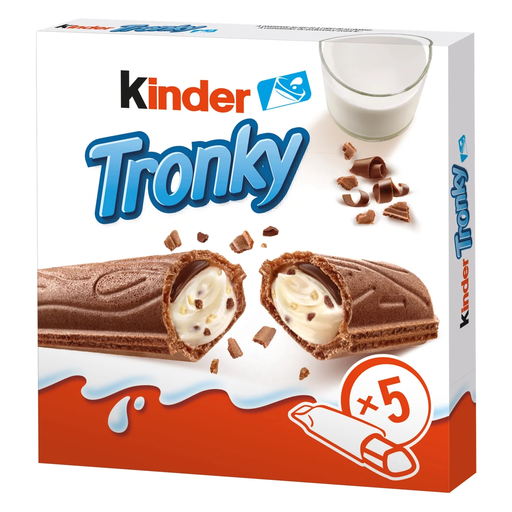 Image unavailable
Consider this if you’re looking for a chocolate wafer rather than a rusk for an Easter treat. The pack is marked 90 g; check the packaging for ingredients and how many pieces you’ll need to share.
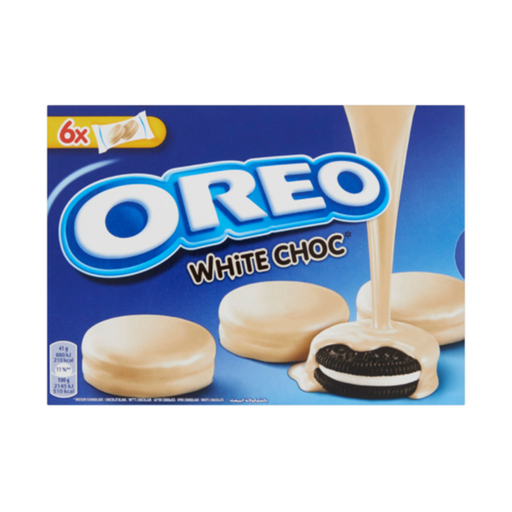 Image unavailable
Worth a look if you’d prefer a biscuit with a white chocolate coating rather than a rusk. The pack is listed as 246 g; check how many biscuits it contains if you’re planning to share, and check the allergens on the packaging.
 Image unavailable
This format could work if you’d like to share wafers in smaller pieces rather than serve rusks. The title states 9 pieces weighing 104,4 g; check the packaging for this variant’s coating, allergens and nutritional information.
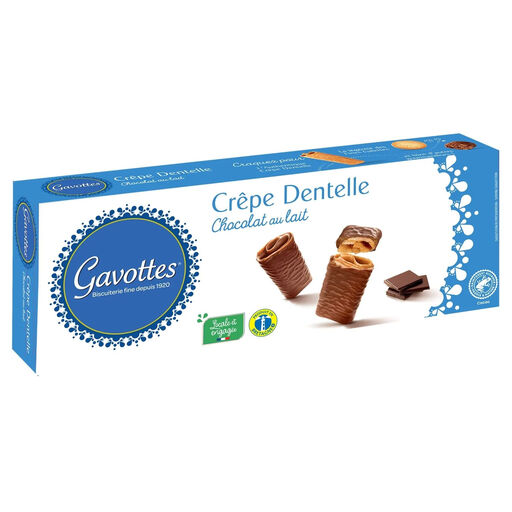 Image unavailable
For a chocolatey lace crêpe treat rather than rusks, this product is described as coated in milk chocolate. The title mentions both 90 g and a pack of 6 : check the listing and packaging to confirm exactly what’s included before buying.
No. The Cracotte chocolate product described by Carrefour France is filled, while the Oreo and Milka products featured by Auchan France are a chocolate-coated biscuit and a chocolate-coated wafer respectively. Read the product description to find out whether the chocolate is inside or on the outside.
Check the information for the exact product you’re buying. The products featured here list wheat, milk and soya, among other ingredients, with additional warnings depending on the recipe. France’s Directorate General for Competition, Consumer Affairs and Fraud Control states that allergens must be highlighted in the ingredients list of prepacked food.
Follow the instructions on the packaging for the variant you’ve bought. The product listings featured here for Milka wafers and Oreo biscuits say, among other things, to keep them dry or away from heat and humidity; also check the date on the packaging.
No. If it appears on the packaging, consider it alongside the product description, ingredients list, allergens, nutritional values per 100 g and the portion you’re planning to serve. It doesn’t make a filled rusk, a chocolate-coated biscuit and a chocolate-coated wafer products from the same category.