People who pay attention to ingredients
You want to compare nutritional information per 100 g, spot any wholegrains listed and check allergens before choosing a filled biscuit.


First, decide whether you want a filled biscuit or a classic Digestive: the McVitie’s Digestive product featured by Carrefour is a crunchy biscuit, and its listed ingredients do not describe a filling. To compare filled biscuits, check the nutritional values per 100 g, ingredients, allergens and pack size. Nutri-Score can help you make your choice when it is displayed, but its use is voluntary.
You want to compare nutritional information per 100 g, spot any wholegrains listed and check allergens before choosing a filled biscuit.
You’re weighing up individual packs against a sharing pack, while also taking ingredients and allergies into account. For children’s snacks, Manger Bouger advises avoiding biscuits with a Nutri-Score of E, among other recommendations.
You’re looking for a clear organic certification, without mistaking it for information about the biscuit’s sugar, fat or allergens.
| Criteria | What to check | Who is it for? |
|---|---|---|
| Nutritional composition | Compare values per 100 g for biscuits in the same category. Check the Nutri-Score if it appears on the packaging. | If I’m comparing several filled biscuits, I want to compare their sugar and fat content on the same basis; around 33% of consumers prioritise this comparison. |
| Organic certification | Look for the certification shown, then read the ingredients and allergens for the product you’ve chosen. | For my shop, I want an organic-certified filled biscuit first and foremost, without assuming this tells me about its nutritional composition; this is the main priority for around 25% of consumers. |
| Pack size | Check the number of individual packs or biscuits, and the net weight. | Whether I’m packing a snack to take with me or choosing something to share, the packaging guides my choice; around 25% of consumers put it first. |
| Type of biscuit | Read the product description and look for a mention of filling if that’s essential. | If I’m after the crunch of a classic Digestive, a chocolate or vanilla filling won’t meet the same need; around 17% of consumers prioritise this type of biscuit. |
According to Santé publique France and the DGCCRF, Nutri-Score is voluntary. So its absence isn’t a reason to rule out a biscuit: the nutrition declaration on the relevant prepacked foods also lets you compare products.
Compare values per 100 g, then use the logo as an extra guide when it is shown.
The McVitie’s Digestive product featured by Carrefour is described as a crunchy biscuit, with no filling listed in its published ingredients. It won’t suit you if you’re looking for a filling.
If you want a chocolate, milk or vanilla centre, look specifically for the words “filled biscuit” on the product you choose.
Organic certification relates to how a product is made; a wholegrain claim describes an ingredient. Neither tells you the biscuit’s full nutritional profile.
Keep these criteria in mind if they matter to you, then compare sugar, fat and salt per 100 g in particular.
Ingredients and possible traces vary between products, even within the same biscuit category.
Check the ingredients list and any “may contain” statements on the exact pack you’re buying.
The Prince LU milk chocolate and whole wheat product featured by Carrefour is a filled biscuit sold in a 300 g pack.
Auchan offers a chocolate-filled BN product in a pack of 16 biscuits weighing 285 g.
Carrefour describes Oreo Original as a cocoa biscuit with a vanilla filling, sold in a box of 10 sachets weighing 220 g.
Carrefour offers milk chocolate-filled biscuits in its Bio range, in a 185 g pack.
E.Leclerc offers P'TIT DELI milk and chocolate-filled snacks in a pack of 15, weighing 300 g.
Auchan offers organic milk chocolate-filled biscuits in four sachets of three biscuits, weighing 185 g in total.
These products suit anyone looking for a biscuit with a filling, whether for a snack or to share, depending on the product. If you want a classic, unfilled Digestive, you’ll need a different type of biscuit.
 Image unavailable
Worth considering if you’re looking for a chocolate-filled biscuit made with listed whole wheat flour. The 300 g Prince LU product featured by Carrefour contains 15%; check the ingredients and allergens on the pack you choose.
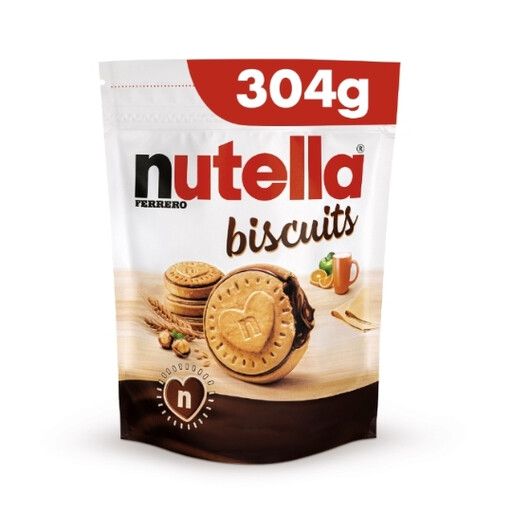 Image unavailable
An option for anyone after a hazelnut and cocoa filling rather than a classic Digestive. The pack is listed as 304 g; check the ingredients and allergens for this product before buying.
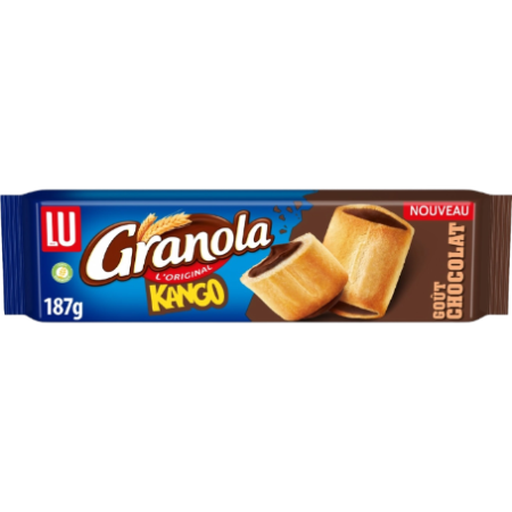 Image unavailable
This 187 g pack of chocolate-filled biscuits could be a good choice if you’re looking for something to share. Compare its composition per 100 g and its allergens with the other products you’re considering.
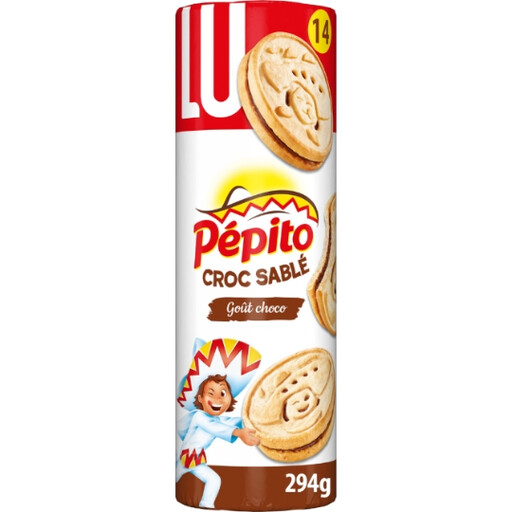 Image unavailable
Consider these if you prefer shortbread filled with milk chocolate for sharing. The listed pack weight is 294 g; check the ingredients list and nutritional information for the product you choose.
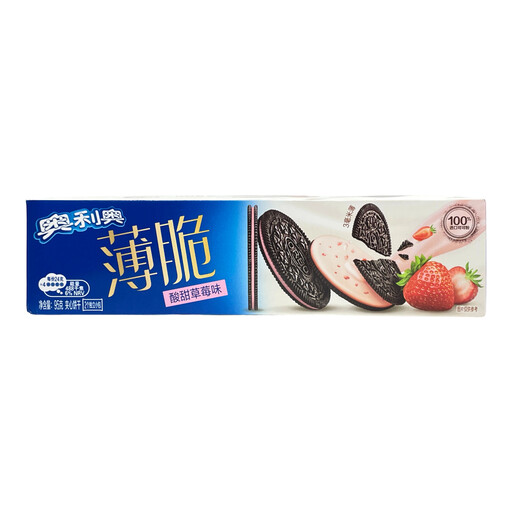 Image unavailable
A 95 g option if you’re looking for a strawberry filling rather than chocolate. The product listing warns that sorbitol may have a laxative effect if consumed in excess; check the ingredients and allergens on the pack too.
No. Santé publique France and the DGCCRF state that Nutri-Score is voluntary; the nutrition declaration is still compulsory for the relevant prepacked foods. Compare values per 100 g and use the score as an extra guide when it is displayed.
Check the product description, ingredients, allergens, net quantity and nutritional information for the product you’ve chosen. The DGCCRF states that the nutrition declaration for the relevant prepacked foods is given per 100 g, among other measures, making comparisons easier.
No: the McVitie’s Digestive product featured by Carrefour is a crunchy biscuit, and its published ingredients don’t describe a filling. If a filling is essential, look for the words “filled biscuit” on the specific product.
It relates to a method of production governed by European regulations, as explained by the Ministry of Agriculture. On its own, it tells you nothing about sugar, fat or allergens, so check the biscuit’s label too.
Check the ingredients, allergens and portion size rather than relying on the pack format alone. Manger Bouger recommends limiting fatty and sugary products in your daily diet and, if you choose biscuits, avoiding those with a Nutri-Score of E in particular.