For a school lunchbox, first choose a filled biscuit with ingredients and declared allergens that meet your child’s needs and the school’s guidelines. Then compare the nutritional values per 100 g of similar products. An individually wrapped pack can make it easier to carry, but it doesn’t tell you anything about the recipe. If displayed, Nutri-Score can provide additional information when reading the label.
Who is this choice for?
Parents putting together a practical lunchbox
If you prepare portions in advance, an individually wrapped pack can make things easier to carry. Auchan, for example, offers a filled biscuit product in individual sachets. This format alone doesn’t tell you anything about its nutritional content.
Parents who need to consider an allergy
The ingredients list for the exact product and the school’s guidelines should come before your choice of pack format. The Ministry of National Education says that an individual care plan (PAI) can be put in place for a pupil with a food allergy.
Parents comparing labels
When comparing filled biscuits for the same purpose, the nutritional values per 100 g provide a useful basis. The DGCCRF states that nutrition information is compulsory for prepacked foods, while the Ministry of the Economy says that displaying Nutri-Score is optional.
What should you check first?
For a snack to take to school, first check any restrictions that apply to your child and the school. Packaging and nutritional information answer different questions: how to carry the portion and how to compare recipes.
| Consideration |
What to check |
Who is it for? |
| Allergens and school guidelines |
The ingredients and allergen information on the exact packaging; the school’s guidelines or the PAI, if applicable. |
If my child has specific dietary requirements, I need to be able to check that the biscuit is suitable. Around 40% of consumers prioritise this compatibility. |
| Transport and portions |
The packaging and the number of biscuits to put in the lunchbox. |
When preparing a snack that’s easy to take with me, I look for a format that I can portion without difficulty. Transport and portioning are the priority for around 30% of consumers. |
| Nutritional comparison |
The nutritional values per 100 g for biscuits of the same type, followed by the portion you plan to serve. |
When choosing between two filled biscuits, I want to compare their labels rather than relying on the recipe name alone. Around 30% of consumers prioritise this nutritional comparison. |
What mistakes should you avoid?
-
Checking only whether it contains gluten
Filled biscuit recipes don’t all contain the same ingredients. Product information from Auchan and E.Leclerc, for example, lists wheat and, depending on the product, milk, eggs, hazelnuts, soya or rye.
Read the packaging for the product you choose and follow the school’s guidelines or the PAI arrangements, where applicable.
-
Assuming Nutri-Score is compulsory
The DGCCRF states that nutrition information is compulsory for prepacked foods. The Ministry of the Economy clarifies that displaying Nutri-Score is optional in France.
Compare the nutritional values per 100 g, and use Nutri-Score as additional guidance if it appears on the products you’re comparing.
-
Assuming individual packaging tells you about nutritional content
An individually wrapped pack is useful for carrying and portioning. It doesn’t tell you which allergens the biscuit contains or what its nutritional values are.
Choose the packaging to suit how you organise things, then check the ingredients list and nutritional information separately.
Brands to know
BN
BN offers a range of filled snacks as well as Mini BN biscuits.
- A range worth exploring if you’re specifically looking for filled biscuits.
- Check the ingredients, allergens and format for the specific BN product you choose: the range description won’t apply to every pack.
Auchan Mon Goûter
Auchan offers filled biscuits in individual sachets, as well as a recipe that lists wholemeal wheat flour.
- These products let you look at a take-away format and a recipe feature separately.
- Declared allergens vary by product, so check the exact pack before preparing the lunchbox.
P'TIT DELI
E.Leclerc offers P'TIT DELI chocolate-filled snacks, including a pack of 16 biscuits.
- The stated number of biscuits can help you plan portions.
- The product information lists wheat, rye and milk-derived ingredients. Check the label against your child’s dietary requirements.
Carrefour Classic'
Carrefour offers Classic' chocolate- and hazelnut-filled biscuits.
- The two flavours make it possible to compare products in the same category.
- Check the ingredients, allergens and nutritional information on the pack you choose before taking it to school.
Filled biscuits to explore on Joybuy
This selection includes chocolate- or milk-flavoured filled biscuits, as well as a strawberry-filled sandwich biscuit. Compare their formats to suit your routine, and prepare a portion to take with you after checking the label and the school’s guidelines.
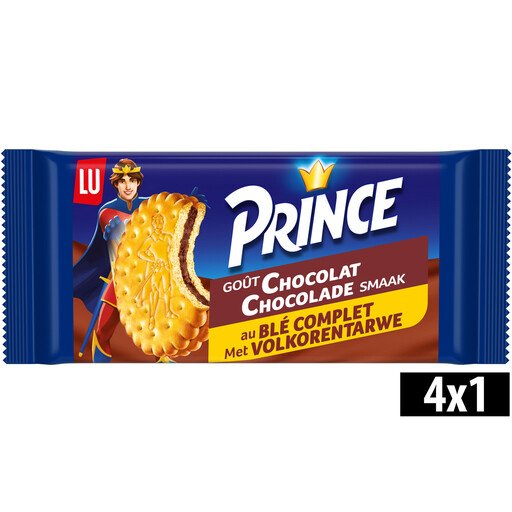 Image unavailable
LU Prince Pocket wholemeal chocolate biscuits, 80 g
The 80 g Pocket pack could be a good choice if you’re looking for a small pack to take with you. The product information lists wheat, soya and milk, and says it may contain egg. Check the packaging and the school’s guidelines. To compare sugars and saturated fat, refer to the values on the packaging of the product you buy.
View on Joybuy
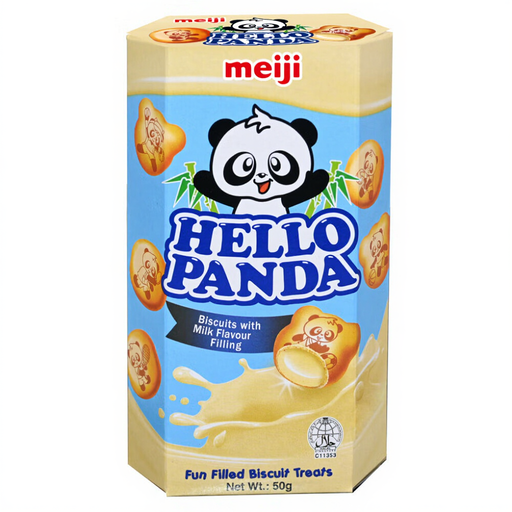 Image unavailable
Meiji Hello Panda milk-flavoured filled biscuits, 50 g
This 50 g pack is worth considering for a snack to take with you. The product information lists wheat, barley, milk and soya, and says it may contain traces of oats, hazelnuts and sesame. Check this information on the exact pack and make sure it meets the school’s guidelines.
View on Joybuy
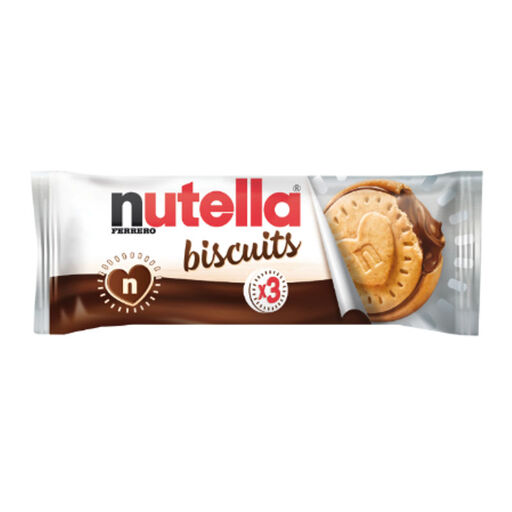 Image unavailable
NUTELLA hazelnut and cocoa-filled biscuits, 41,4 g
The 41,4 g pack gives you the chance to consider another filled biscuit recipe. The product information lists wheat, milk, hazelnuts and soya, among other ingredients. Check the exact label before choosing this product for school. The pack’s weight alone doesn’t confirm that the biscuits are individually wrapped.
View on Joybuy
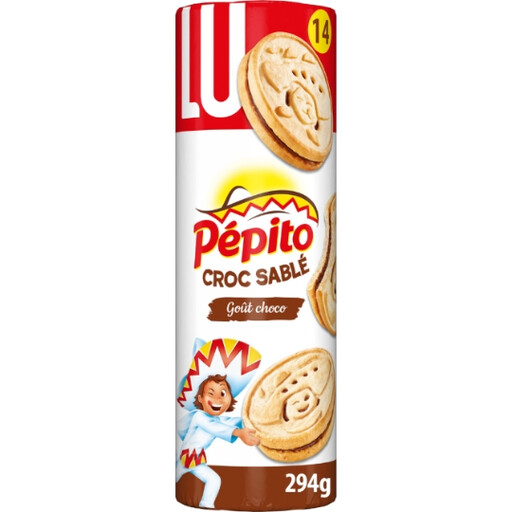 Image unavailable
LU PÉPITO Croc Sablé milk chocolate-filled biscuits, 294 g
This 294 g pack is suited to a routine where you prepare the portion yourself to put in the lunchbox. The product information lists wheat, milk and soya. Check the packaging of the product you buy and any school restrictions.
View on Joybuy
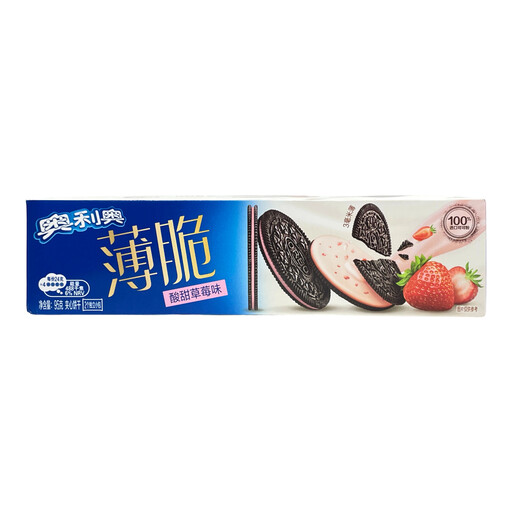 Image unavailable
Oreo strawberry sandwich biscuits, 95 g
This strawberry-filled sandwich biscuit offers a different flavour from the chocolate options. The product information lists wheat, eggs, milk and sweeteners, and warns that excessive consumption may have a laxative effect. Check the exact label and the school’s guidelines before preparing a portion.
View on Joybuy
Frequently asked questions
Is Nutri-Score compulsory on filled biscuits in France?
No. The Ministry of the Economy says that displaying Nutri-Score is optional in France, while the DGCCRF states that nutrition information is compulsory for prepacked foods. Compare the nutritional values per 100 g even if no Nutri-Score is shown.
Can a wheat-containing filled biscuit go in the lunchbox of a child with an allergy?
The presence of wheat alone isn’t enough to determine whether a biscuit meets that child’s dietary requirements: other ingredients and allergen information vary by recipe. Check the exact packaging and the school’s guidelines. The Ministry of National Education says that a PAI can be put in place for a pupil with a food allergy.
Are individually wrapped biscuits better for school?
They can make snacks easier to carry and portion if this format suits your routine. They don’t replace the need to check the ingredients, allergens and portion you’ll actually be taking with you.
How do you compare two filled biscuits?
First compare biscuits of the same type using their nutritional values per 100 g, then consider the portion you plan to take with you. Also check the ingredients and allergens. For example, wholemeal flour describes one aspect of a recipe, but doesn’t summarise all its nutritional characteristics.


