
Livraison le jour même ou le lendemain

Qualité garantie

Débloquez vos offres de bienvenue: Livraison GRATUITE | Jusqu'à -80 % | 30 jours d'essai gratuits à JoyPlus
Téléchargez l'application
Filled biscuits are tempting with their generous looks, creamy fillings and varied flavours. Yet the packaging doesn’t always reveal the texture, the actual amount of filling or the format that best suits your habits. Whether it’s for a snack at home, a break at the office or a few biscuits with your coffee, a few checks are all it takes to avoid unpleasant surprises.
The term “soft” usually describes the biscuit dough, not necessarily the amount of filling. A biscuit can be tender with a very thin centre, whereas a sandwich biscuit relies more on the combination of a crunchy shell and a cream. Check the description and the ingredients list to tell the difference between:
“Chocolate”, “strawberry” or “fruit” can cover very different realities. Chocolate may come as cocoa powder, paste or chips. For strawberry, check whether it’s purée, jam or simply flavouring. This reading is particularly useful if you’re after a specific fruity taste or if you’re comparing strawberry biscuits with red fruit ones.
Biscuit recipes often contain wheat, milk, eggs, soya or nuts. Some product sheets also mention the possible presence of traces of peanuts or nuts. Before buying, always read the labelling on the packet you receive: the composition and warnings on the packaging should take priority over the commercial presentation.
To keep biscuits crunchy or soft, store them in a dry place, away from heat and light. Once the packet is opened, seal it carefully and follow the consumption instructions.
For a crunchy bite, cream-filled sandwich biscuits, speculoos biscuits with filling or certain chocolate biscuits go very well with tea. Recipes with a soft dough are better suited to a quick snack, especially when individually wrapped.
The filling can take different forms:
Compare the net weight, the number of pieces and the type of packaging. A 56 g packet can be suitable for an individual treat, while a 150 to 250 g format is better for sharing. Individual portions are easy to carry to the office or in a bag, but they can also generate more packaging.
For a gathering or family snack, sharing biscuits are generally more practical. Conversely, for occasional consumption, a small format helps you better control the amount served and avoids leaving a packet open for too long.
The nutritional table shows, among other things, the energy, fat, carbohydrates, sugars and salt per 100 g. Use this as a basis to compare products, without mistaking a less sugary recipe for a food intended for medical or special dietary use.
Also check:
For example, the MUSHAN BASE blueberry and yam filled cookie contains maltitol and states that excessive consumption may have a laxative effect. This is information to take seriously before choosing this product for regular consumption.
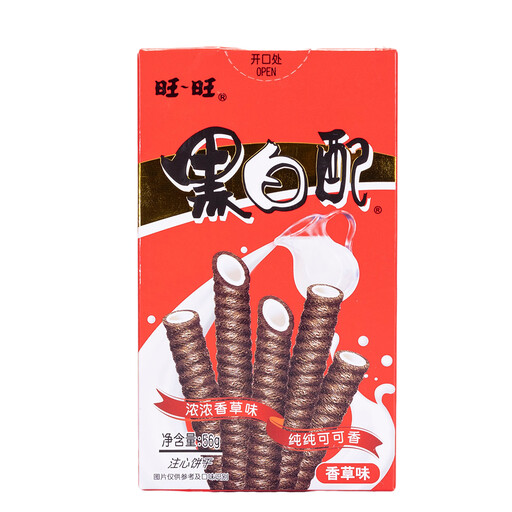
Why this choice suits this profile: At 56 g, this format is ideal for discovering the product or treating yourself to an individual break with tea or coffee. The recipe combines a crunchy shell with a vanilla cream.
The net weight and stated texture are clearly indicated, reducing unpleasant surprises about the format and type of biscuit.
Compact 56 g format, vanilla flavour, contains eggs and dairy products in the ingredients.
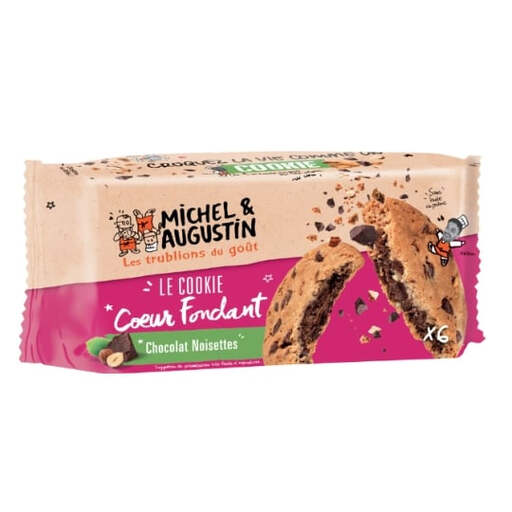
Why this choice suits this profile: This 180 g packet contains six cookies. The combination of chocolate, hazelnut and butter lends itself to a more indulgent tasting experience.
The product sheet distinguishes the crunchy exterior from the melting centre and states the number of cookies in the packet.
Dark chocolate chips at 15 %, hazelnut pieces and butter in the ingredients list.
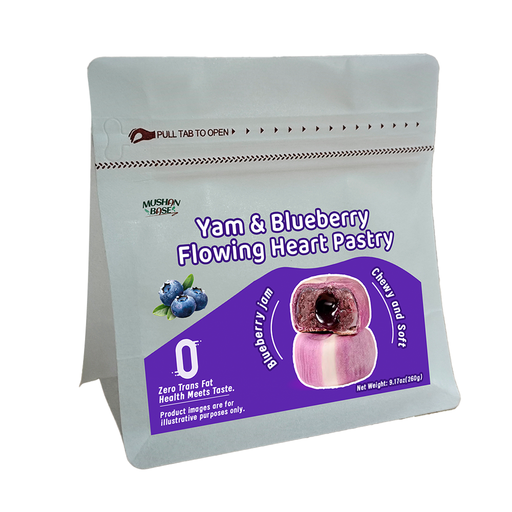
Why this choice suits this profile: Individually wrapped, these biscuits are easy to carry. They suit those looking for an unusual fruity flavour for breakfast or a sweet break.
The product sheet states the presence of maltitol and the warning about excessive consumption, rather than implying that a particular recipe suits everyone.
260 g format, individual wrapping, blueberry filling and a texture described as tender and soft.
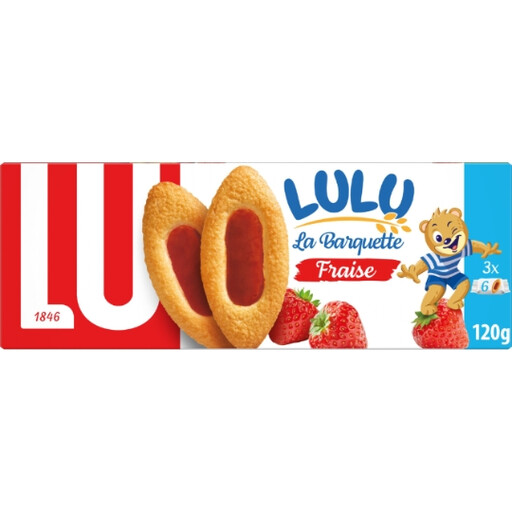
Why this choice suits this profile: The three sachets of around 40 g each are easy to store in a desk drawer or bag. They contain a strawberry filling in a soft base.
The packaging in three sachets makes portions easier to identify and limits prolonged contact with air after opening.
Net weight of 120 g, strawberry purée stated at 27 % and product ready to eat.
We have compiled a comprehensive, real-time updated list of products that meet these demanding selection criteria and European safety standards.
Caramel biscuits, speculoos biscuits and chocolate recipes generally pair well with the bitterness of coffee. Vanilla or fruit versions offer a sweeter note with tea. Above all, consider the texture you’re after: crunchy to accompany the drink, or soft for a more substantial break.
It all depends on the instructions on the packaging, the type of filling and storage conditions. A crunchy biscuit can lose its texture when exposed to moisture, while a soft filled biscuit may dry out after opening. Seal the sachet carefully, store it in a dry place and respect the best-before date.
Don’t just look at the packet price. Divide it by the net weight or the number of biscuits to get a more meaningful comparison. Also consider the packaging: a large sharing packet of biscuits can be practical for a family, while several individual sachets will be better for on-the-go use.