
Livraison le jour même ou le lendemain

Qualité garantie

Débloquez vos offres de bienvenue: Livraison GRATUITE | Jusqu'à -80 % | 30 jours d'essai gratuits à JoyPlus
Téléchargez l'application
Between binders that are too flimsy, folders that lose their shape and ill-suited sizes, buying school or office filing supplies can quickly become an expensive business. A product that looks appealing on the shelf doesn’t always stand up to the demands of daily use: being carried in a bag, frequent consultation, accumulating sheets of paper or storing administrative documents.
Before you choose school stationery, a student binder or a professional filing solution, there are three common pitfalls worth paying close attention to.
The right approach is to choose the product based on how you’ll use it: for lessons, invoices, professional files, temporary documents or a card collection.
For everyday documents, A4 remains the most common size. However, do check the external dimensions if you’re using dividers, A4 punched sheets or transparent plastic pockets.
Capacity generally depends on the spine width and the mechanism. As a rough guide:
These figures are only indicative and vary from one item to another. Thick paper, laminated pockets and dividers take up more room than standard paper.
A 2-ring binder works well for compact formats and simple files. A 4-ring model distributes A4 sheets more evenly and makes it easier to add dividers.
Before you buy, check:
A 4-ring mechanism is often the most practical for lessons, administrative files and professional filing. A compact model may be better suited to notes or a small project.
Polypropylene generally resists splashes and is easy to clean. It comes in soft, rigid, opaque or translucent versions. Recycled cardboard offers a different approach: it can be rigid, pleasant to handle and easier to recycle when it has no plastic film or lamination.
A folder with flaps is handy for storing unpunched documents. An elastic closure stops sheets from slipping out during transport. For professional use, a spine label makes it quick to find a file on a shelf.
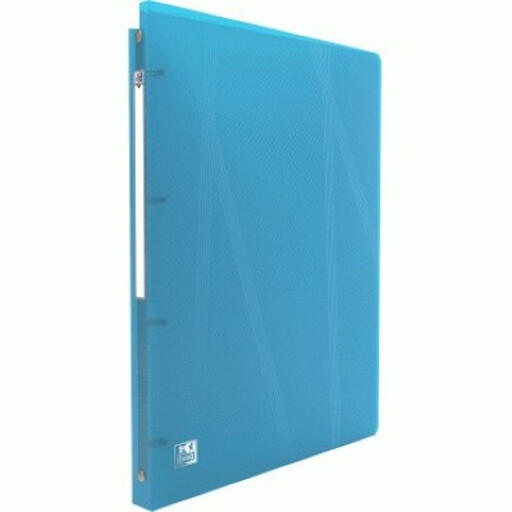
Why this choice suits this profile: Its A4 format and 20 mm spine are ideal for school pupils, students and individuals who want to start organising their documents without carrying a large volume of paper.
Its stated capacity of around 100 sheets encourages you not to overload it. The translucent cover also lets you identify the contents without opening the binder.
4 rings, translucent polypropylene cover, adhesive spine label and manufactured in France.
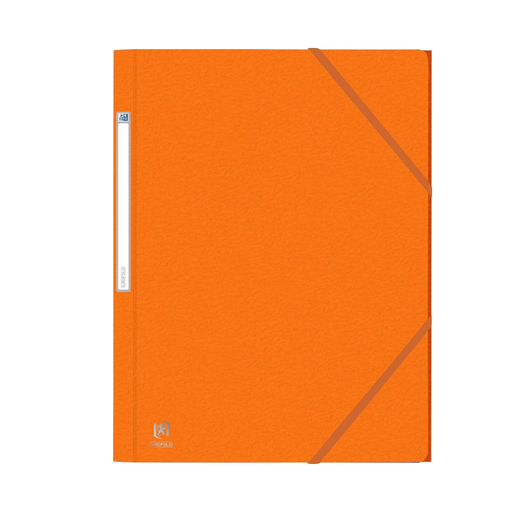
Why this choice suits this profile: This folder with flaps is designed for people who want a neat presentation for their professional files, quotes or personal documents that are consulted regularly.
Its three riveted flaps and elastic closure prevent sheets from scattering, while its extra-wide spine can hold a substantial volume.
600 g Multi’Strat textured cardboard, triple-riveted flaps and a spine label for quick identification of the contents.
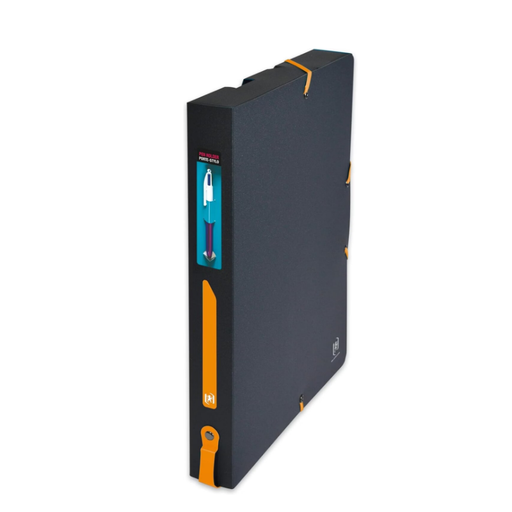
Why this choice suits this profile: Its A4XL format and capacity of up to 250 sheets meet the needs of a student, teacher or professional who carries a bulky file around.
The A4XL format prevents pockets and dividers from sticking out. The integrated three-flap folder also allows you to store unpunched documents.
4 rings, 40 mm spine, elastic closure and rigid opaque polypropylene cover.
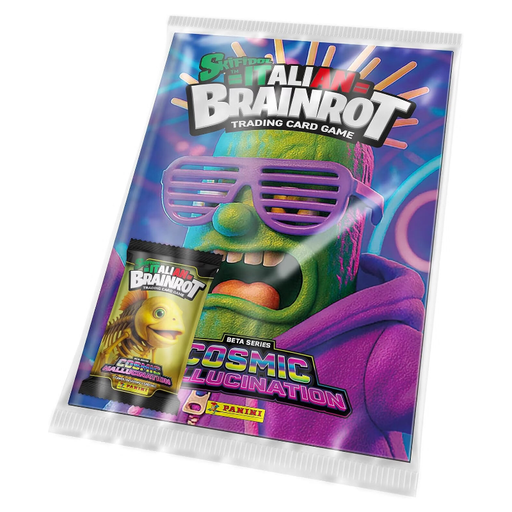
Why this choice suits this profile: This box set is aimed at collectors who want to start a Panini card album or organise a collection for swapping.
The contents are clearly defined: a 32-page binder and a pack of 7 cards. However, the presence of small parts means care is needed around children.
A stated series of 150 cards, including 50 special ones, with an album included to start organising.
In most British households, a simple system can work perfectly well:
For a more responsible choice, a recycled binder can work well for everyday filing. The Exacompta Autentik model, for example, is said to be made from 100% recycled cardboard, with no lamination or plastic film, and is Blue Angel certified. Always check the detailed environmental information on the product page.
We’ve put together a complete, real-time updated selection of products that meet these demanding criteria and comply with European safety regulations.
An A4 model with 4 rings is generally suitable for lessons, especially if you add dividers and plastic pockets. For a large volume or frequent transport, a 30 or 40 mm spine can be more practical, as long as you don’t overload it.
No, these two products serve different needs. The folder protects unpunched documents and is suitable for occasional transport. The binder makes it easy to remove, add and reorganise punched sheets.
Respect its capacity, close the rings fully and avoid leaving it exposed to high heat or direct sunlight. For a cardboard model, also limit exposure to moisture. Clear labelling reduces unnecessary handling and helps maintain a stable organisation system.