People who prioritise fat content
You’re looking for a snack to take with you or share, and check the ‘fat’ figure per 100 g first. The term ‘dried fruit’ doesn’t tell you whether a product is simply dried fruit or a mix containing nuts.


If fat content is your top priority, compare the figures per 100 g for the specific products you’re considering. Carrefour Bio dried apricots contain 0 g and Maître Prunille prunes 0.2 g, compared with 27 g for a mix of dried fruit and nuts sold by Carrefour. For a festival, check the ingredients, allergens and pack size too before choosing a bag to share.
You’re looking for a snack to take with you or share, and check the ‘fat’ figure per 100 g first. The term ‘dried fruit’ doesn’t tell you whether a product is simply dried fruit or a mix containing nuts.
You’re planning to serve several people and need to check the ingredients and ‘may contain’ warnings on every pack. A mix of dried fruit and nuts sold by Carrefour, for example, warns that it may contain traces of peanuts, sesame and sulphites.
You prefer a mix of unsalted nuts and are happy for its fat content to differ from that of plain dried fruit. The Seeberger product sold by Carrefour contains 55 g of fat per 100 g.
For a festival, start with what matters most to you: the declared fat content, ingredients that suit the people attending, or how easy the product is to share. Each priority means checking different information on the pack.
| What matters to you | What to check | Who is it for? |
|---|---|---|
| Fat content | Compare the ‘fat’ figure per 100 g and the ingredients list for the products you’re considering. | If fat content matters more than having a varied mix, base your choice on the declared figure first. Around 42% of consumers prioritise fat content. |
| Ingredients and allergens | Check the allergens listed in the ingredients and any ‘may contain’ warnings on each pack. | If you’re serving several people with dietary restrictions, you need to be able to identify exactly what’s in each pack. Around 33% of consumers put suitability first. |
| Pack size and storage | Check the net weight, how you plan to serve it and the storage instructions after opening. | If the packs need to be carried and then handed out during the event, packaging is the main consideration for around 25% of consumers. |
Product listings from Carrefour show 0 g of fat per 100 g for Carrefour Bio dried apricots, compared with 55 g per 100 g for a Seeberger nut mix. These figures apply to those specific products, not to their entire categories.
Compare specific products on the same per-100 g basis, then choose the type of fruit or mix you want to serve.
A mix may contain several types of nuts and carry warnings about traces that are relevant to some people.
Check each pack and keep it accessible while serving so people can read the information for themselves.
A claim such as ‘light’ doesn’t tell you everything about a product’s nutritional values or ingredients. The DGCCRF reminds consumers that nutrition claims are regulated.
Check the exact wording of any claim, as well as the nutrition information for the product in question.
A large sharing bag and individual portions need different arrangements at a festival, especially once the pack has been opened.
Choose packaging that suits how you plan to serve the product, and follow the storage instructions on the pack you buy.
The examples below are specific products for comparison; their characteristics don’t automatically apply to other products from the same brands.
The range includes soft organic dried apricots in a 250 g bag.
The product in question is a 500 g bag of extra-large Agen prunes, with the stones removed.
The example chosen is a 150 g mix of unsalted roasted nuts, rather than plain dried fruit.
These red dates, prunes and dried apricots are options if you’re looking for dried fruit to take with you or share at a festival. To compare their fat content, check the nutrition information for each product. Before serving them to a group, check the allergen information too.
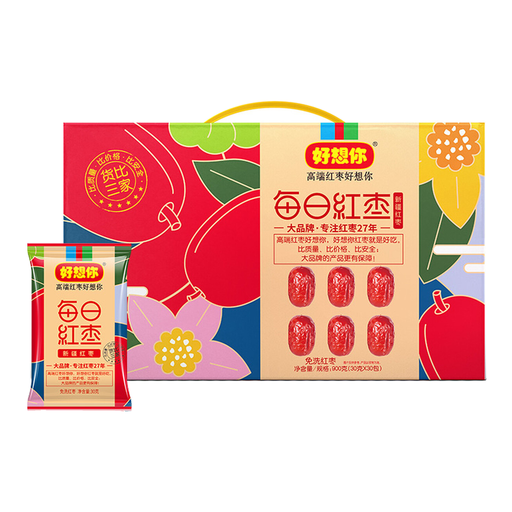 Image unavailable
The individual bags make it easy to serve portions at a festival, provided dates with stones are suitable for your guests.
Plan how you’ll collect the stones while serving.
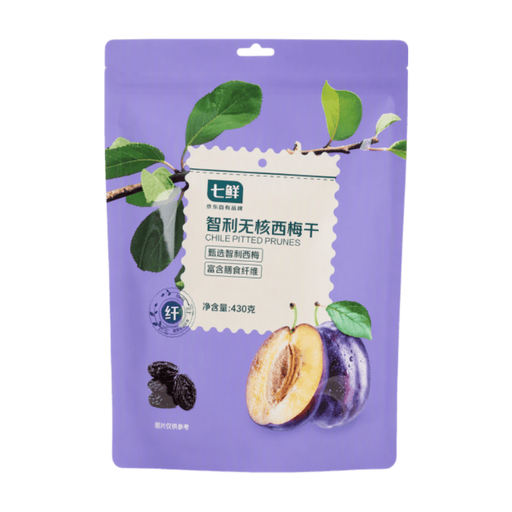 Image unavailable
This bag of pitted prunes is suitable for sharing if you can organise how to serve it.
The storage instructions for this product recommend consuming it soon after opening.
 Image unavailable
This bag of pitted red dates is an easy option to take with you if you prefer to serve fruit without stones.
The storage instructions for this product recommend consuming it soon after opening.
 Image unavailable
The 500 g bag could work for sharing, provided you can follow the storage instructions during the event.
This product needs to be stored below 15 °C, and the bag should be resealed after opening.
 Image unavailable
This 300 g bag of dried apricots is a handy option to take with you.
Before serving it to a group, check the allergen and ‘may contain’ information on the pack.
No. The term can refer to plain dried fruit or mixes containing nuts. Carrefour’s listings show 0 g of fat per 100 g for Carrefour Bio dried apricots, while the Seeberger mix contains 55 g per 100 g. Compare the specific products you’re considering.
No. To find out what a product contains, read its nutrition information and ingredients, then check the exact wording of any claim. The DGCCRF reminds consumers that nutrition claims are regulated.
Check the ingredients, allergens and ‘may contain’ warnings on every pack, then keep this information accessible while serving. The mix of dried fruit and nuts sold by Carrefour contains hazelnuts, almonds, cashews and walnuts, among other ingredients, and warns that it may contain traces of other ingredients.
Follow the instructions on the pack you choose, especially after opening. If you choose the 500 g pack of Haoxiangni Grade 2 pitted red dates, make sure you can store it below 15 °C and reseal the bag.