Festival-goers looking for a “high protein” snack
You want to check what the protein claim means, beyond the number of grams printed on the pack. The energy value and protein content of pumpkin seeds let you check this for each product.


If your priority is choosing a festival snack that meets the “high protein” criterion, start by comparing pumpkin seed labels. Bio Village and Monoprix Bio list 34 g and around 35 g of protein per 100 g respectively, with protein providing more than the 20% of energy required under EU regulations. Almonds and snack mixes may suit you for their flavour or format, but the examples reviewed do not meet this threshold. Also check the ingredients, allergens and storage instructions on the pack you choose.
You want to check what the protein claim means, beyond the number of grams printed on the pack. The energy value and protein content of pumpkin seeds let you check this for each product.
You want a pack that’s easy to carry around at a festival. Almonds and seeds come in formats suited to this, so choose a portion size and storage conditions that work for you. Don’t expect the snack to have a proven effect on sports recovery.
You compare ingredients, sugars, salt and precautionary allergen statements before choosing. This information can vary between plain seeds, a mix containing dried fruit and a seasoned snack.
When choosing a snack to take to a festival, start with your main priority, then compare the label on the exact product rather than relying on the broad term “dried fruit and nuts”.
| Criterion | What to check | Who is it for? |
|---|---|---|
| Proportion of energy from protein | Compare protein and energy per 100 g. To make the “high protein” claim, EU regulations require at least 20% of the energy to come from protein. | If I’m choosing this snack mainly for its protein, I want the claim to match the product’s nutritional values; around 33% of consumers would make this their top priority. |
| Sugars and salt | Read the ingredients, then check the sugars and salt per 100 g, particularly in snack mixes and seasoned products. | To enjoy different textures without choosing a snack that’s mainly sweet or salty, I check its ingredients; around 27% of consumers would put this first. |
| Allergens and traces | Check the ingredients and “may contain” statement on the exact pack, even if you’re familiar with another version from the same brand. | When an allergy affects my choice, liking the ingredients isn’t enough: I also need to check any declared traces. This would be the top priority for around 20% of consumers. |
| Taking it with you and storage | Check the packaging and follow the product’s storage instructions after opening, particularly any guidance to keep it dry and reseal the pack. | If I’m carrying the snack around all day, I choose a portion I can keep sealed until I’m ready to eat it; around 20% of consumers would put this convenience first. |
EU regulations look at the proportion of energy provided by protein, not just the number of grams on its own. Carrefour’s listing for almonds gives 22 g of protein and 600 kcal per 100 g, which works out at around 14.7% of energy from protein. This example is below the 20% threshold.
On the label, multiply the grams of protein by 4, divide by the kilocalories, then multiply by 100. Repeat the calculation for the product you’re planning to buy.
Dried fruit, nuts and seeds don’t necessarily have the same nutritional profile. Manger Bouger points out that dried fruit is naturally high in sugars, so in a snack mix the proportion of dried fruit matters just as much as the presence of almonds or walnuts.
If protein content is your top priority, check the main ingredients and compare the nutritional information for the mix with that for seeds or nuts sold separately.
The listing for Carrefour Bio pumpkin seeds mentions possible traces of peanuts and tree nuts, among other allergens. Statements can vary from one product to another.
If you have an allergy, read the ingredients and trace statements on the exact pack. Don’t assume the information for another flavour or pack size applies.
Once you’ve taken your snack with you, the packaging still needs to let you follow the storage instructions. The listing for an Auchan snack mix says to keep it in a dry place away from light.
Keep the pack sealed until you’re ready to eat it, or divide it into clean, sealed containers, following the instructions printed on the product.
A Carrefour Bio pumpkin seed product listing lets you check the allergen trace statements for that particular pack.
Bio Village pumpkin seeds in a 200 g pack provide a useful example for comparing protein and energy.
Auchan listings show a range of formats, from a mix of nuts and raisins to seed crackers.
Monoprix Bio’s 200 g pack of pumpkin seeds is another product whose protein and energy values you can compare.
These pumpkin seed products are a good fit for the protein-focused option discussed here. To compare them before a festival, focus on the flavour, packaging and information on the pack.
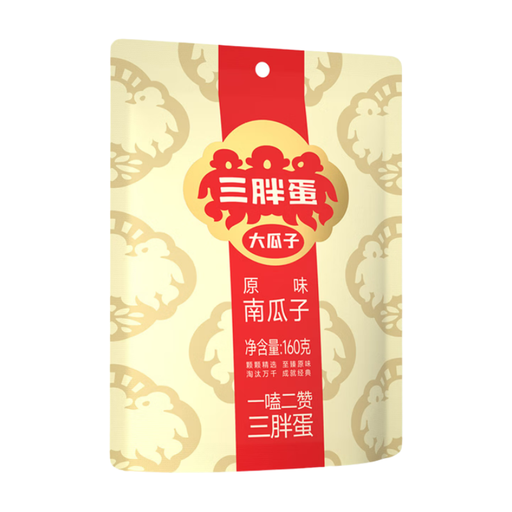 Image unavailable
The eight 20 g sachets are handy if you want to divide up your snack before you set off. If you want to eat the seeds without any extra preparation, check the pack to see whether they’re in their shells.
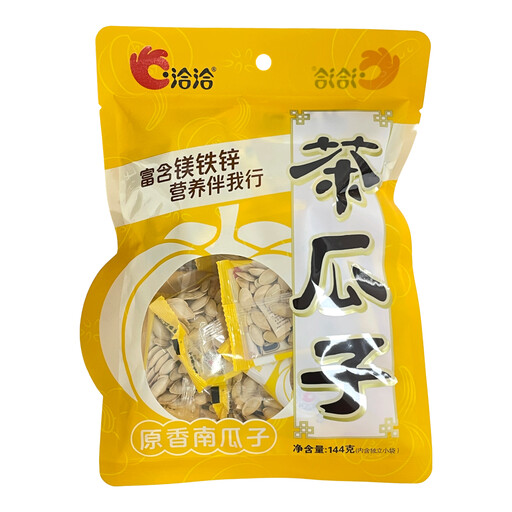 Image unavailable
This pack is a handy choice if you’re looking for roasted pumpkin seeds to take with you. Check the flavour on the pack before buying: the title says “Original”, while the detailed description mentions green tea.
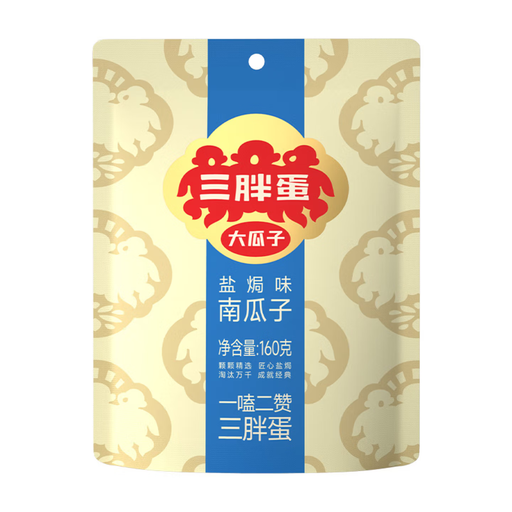 Image unavailable
The eight 20 g sachets make it easy to portion out this seasoned version for your journey. If you’re looking for plain seeds or comparing products by salt content, check the ingredients list and nutrition label.
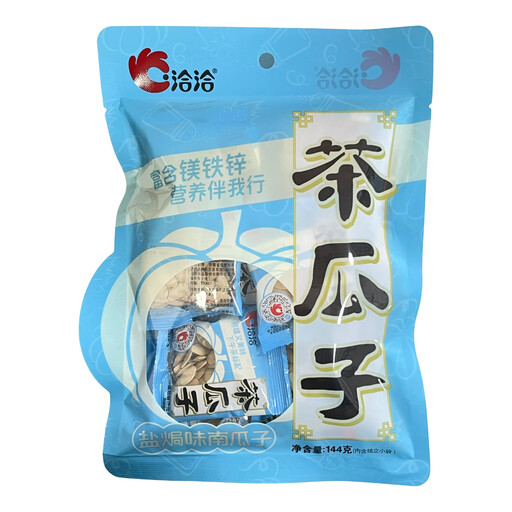 Image unavailable
This version is a good choice if you prefer seasoned pumpkin seeds. It isn’t described as plain, so compare the salt and ingredients on its label with those of an unseasoned version.
EU regulations require at least 20% of a product’s energy to come from protein for it to carry this claim. Using the values per 100 g, multiply the grams of protein by 4, divide by the kilocalories, then multiply by 100. E.Leclerc’s published figures for Bio Village pumpkin seeds—34 g of protein and 574 kcal—work out at around 23.7%. Always check the label on the product you buy.
It depends on the mix: the presence of nuts alone doesn’t tell you what proportion of its energy comes from protein. Compare its protein, energy and sugars per 100 g. Manger Bouger points out that dried fruit is naturally high in sugars.
Follow the product’s storage instructions and keep portions sealed until you’re ready to eat them. The listing for an Auchan snack mix recommends storing it in a dry place away from light. If a pack has already been opened, also check the packaging for instructions on how to reseal it.
Read the ingredients and trace statements on the exact pack. The Carrefour Bio product mentions possible traces of peanuts and tree nuts, among other allergens. Don’t ignore this information or assume it applies in the same way to another product.