What should you look for?
Start by working out how many meals you need to serve, then check your list against the available freezer space and the requirements for transport and preparation.
| Consideration |
What to check |
What matters to shoppers |
| Number of portions |
Note the stated number of portions and the net weight; check that the dish can be served at the planned time. |
I need to feed the whole group without assuming that a large pack will provide a set number of meals. Around 36% of shoppers would prioritise portion sizes. |
| Space and keeping food cold |
Check how much space is free in both compartments and plan to use insulated bags for the journey. |
If the compartments are nearly full, I want to be able to transport and store the food without delaying its return to the freezer. Keeping food cold would be the top priority for around 29% of shoppers. |
| Quantity within budget |
Compare the weights and stated portions, without confusing the number of packs with the number of meals. |
With a limited budget, I need to plan enough food for every meal. This would be a priority for around 21% of shoppers. |
| Menu composition |
Read the ingredients and allergens for each product; check the preparation instructions. |
When people have different dietary requirements, I look for suitable recipes rather than making assumptions based on their names. Around 14% of shoppers would put this need first. |
Retailers to compare
These ranges give you a starting point for comparing formats and recipes. Check each product before adding it to your festival supplies.
Carrefour
Carrefour’s frozen prepared-meal range includes separate sections for sharing dishes and individual meals.
- These two categories make it easier to look separately for group meals and extra individual portions.
- Check the portions and ingredients for each product: the section it’s in won’t tell you on its own how many people it serves.
E.Leclerc
E.Leclerc’s Eco+ frozen prepared-meal range includes 1 kg beef lasagne.
- This format could work as a sharing dish if the recipe suits your group.
- Check the stated number of portions and the product stocked by your chosen shop before including it in your menu.
Auchan
Auchan’s frozen prepared-meal range separates individual portions from family-sized formats.
- This distinction makes it easier to find dishes to share as well as meals to serve individually.
- Compare the portion information and preparation instructions rather than relying on the category alone.
Picard
Picard sells frozen prepared meals, including a 900 g pan dish listed as serving 3 to 4 people.
- The portion information for a specific product helps you calculate how many people a sharing dish will feed.
- Don’t assume the same portions apply to other recipes: check the serving information and preparation method for each one.
Lidl
Lidl offers a selection of frozen prepared meals that could round out a menu you’ve already planned.
- A product that suits your group’s needs could add another recipe to your menu.
- Offers have specific dates, so check the product and its availability at the shop you plan to visit.
Aldi
Aldi’s prepared-meal range can help you find recipe ideas, but check how each product should be stored.
- It’s a useful way to explore other dishes that might suit your menu.
- Not all the meals shown are frozen, so check the packaging and local availability for each product.
Joybuy products to round out the menu
These smaller formats add a different recipe or side dish to your festival menu. Their weight alone won’t tell you how many people they’ll serve, so check the portions, allergens and instructions on each pack before adding them to your supplies.
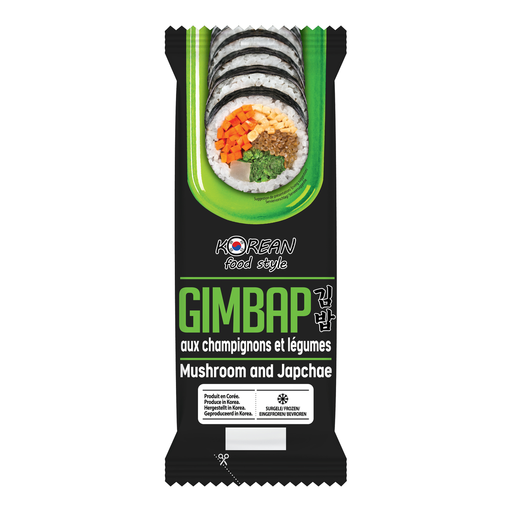 Image unavailable
KOREAN FOOD STYLE Gimbap with sautéed mushrooms and vegetables, 230 g
This format can add a different recipe to a group meal. The pack weighs 230 g; check the number of portions, allergens and defrosting instructions before serving.
View on Joybuy
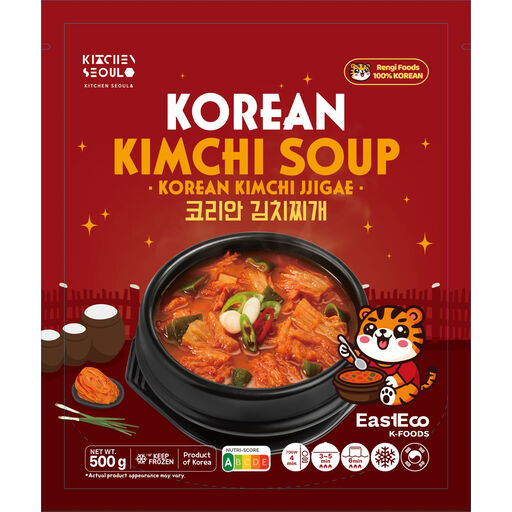 Image unavailable
EastEco Rengi's Korean kimchi soup (jijigae), 500 g
This soup can add a different recipe to your menu. The pack weighs 500 g; check the portions and allergens, and make sure you have the equipment needed to follow the preparation instructions.
View on Joybuy
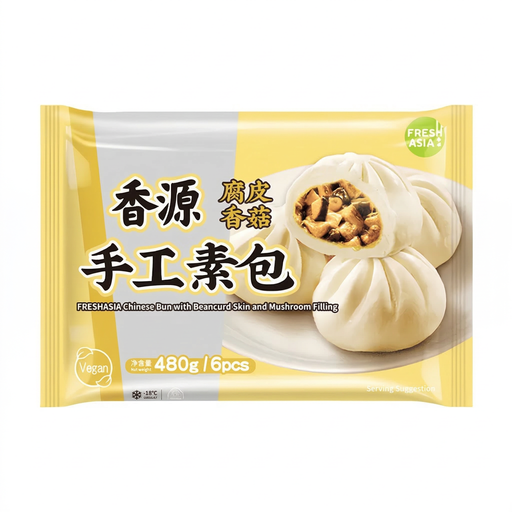 Image unavailable
FRESHASIA Chinese buns filled with tofu skin and mushrooms, 480 g
These filled buns can complement the dishes you’ve planned for the group. The pack weighs 480 g; check the portions and allergens, and make sure you can follow the cooking instructions before serving.
View on Joybuy
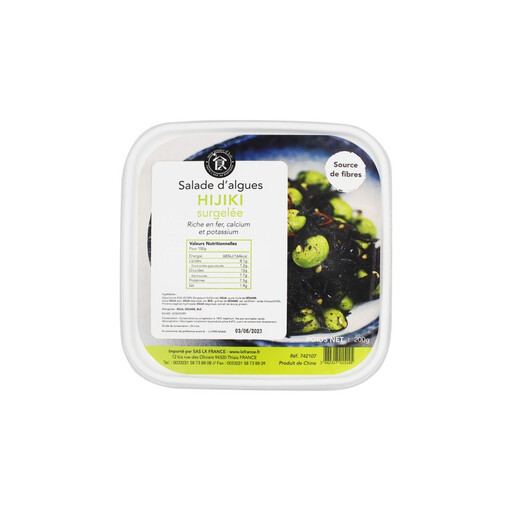 Image unavailable
MON PANIER D'ASIE frozen hijiki salad, 200 g
This hijiki salad is best considered as a side dish, rather than the main course for a group meal. The pack weighs 200 g; check the portions, allergens and defrosting instructions on the packaging.
View on Joybuy
Frequently asked questions
How do you work out how much frozen food to buy for a festival?
Add up the portions listed on the packaging for each meal you’re planning, then compare the total with the number of people you need to feed. Also check the net weight and how each dish will be prepared and served: a 900 g or 1 kg pack won’t necessarily serve the same number of people, as this depends on the recipe.
Can you leave frozen meals in the car while you finish the rest of your shop?
It’s best to buy frozen food at the end of your shop and take it straight to the freezer without unnecessary detours. Anses recommends using insulated bags during the journey to maintain the cold chain.
What temperature should you use to store frozen meals?
The recommended temperature for frozen storage is −18 °C, according to the Ministry of Agriculture. Also follow the storage instructions for each product, particularly after opening or defrosting.
Can you refreeze a dish after it has defrosted?
Don’t refreeze food once it has defrosted: Anses recommends eating it promptly. Follow the product’s defrosting instructions. Anses advises using the fridge, the microwave’s defrost setting, or cooking or reheating the food quickly.
What should you check on the packaging before serving a group?
Check the name of the dish, its ingredients, any highlighted allergens, the net quantity, nutritional information and the date shown. The DGCCRF sets out the labelling rules for prepacked food in France. Keep the packaging handy when serving, so you can answer questions about the specific recipe.


