Active people looking for a snack to take with them
If you want cashews to snack on between festival activities, check the amount of protein per serving without assuming that this makes them a “high-protein” product.


For a snack to take to a camping festival, unsalted cashews are a good choice if avoiding added salt is your priority, as long as you choose a pack you can keep dry and reseal after opening. They provide protein, but their protein content per 100 g is not enough on its own to describe them as “high in protein” or to make them the only thing you consider for a post-workout snack.
If you want cashews to snack on between festival activities, check the amount of protein per serving without assuming that this makes them a “high-protein” product.
Plain or roasted cashews with no added salt suit this preference. Check the “salt” line and the ingredients list too: the two don’t tell you exactly the same thing.
The number of people and length of your stay will help you choose the right pack size. You’ll also need to keep the cashews away from heat and moisture, and check the allergen information before sharing them.
When choosing cashews for a camping festival, start with your priority: protein, no added salt, or easy storage and sharing.
| What to consider | What to check | Who it’s for |
|---|---|---|
| Protein and energy | Compare the protein and energy values per 100 g. If the “high in protein” claim matters to you, check that the product meets the relevant threshold rather than relying on the protein grams alone. | After exercise, I’m looking for a portable snack that provides protein, without mistaking it for a product specifically labelled high in protein. Around 42% of consumers are said to put this need first. |
| Salt and ingredients | Look for “no added salt”, then check the amount of salt per 100 g and the ingredients list, which may also include oil. | If I’m snacking over several days, I’d rather not let added salt guide my choice. Around 33% of consumers are said to have this as their main priority. |
| Pack size and storage | Choose a pack size to suit the number of people and the number of days you’ll be there; check whether it can be resealed and follow the storage instructions after opening. | When sharing a tent, I want to be able to share the bag without leaving the cashews exposed to heat or moisture. Around 25% of consumers are said to put this need first. |
The PAPAPERO and Seeberger product listings published by Auchan and Monoprix give protein values of between 20 and 23 g per 100 g, depending on the product. That figure alone isn’t enough to support the claim: under Regulation (EC) No 1924/2006, published on EUR-Lex, at least 20% of a product’s energy must come from protein for it to be described as “high in protein”.
If this claim affects your choice, check the protein and energy values together in the nutrition information.
The Auchan product listings consulted recommend storing cashews away from heat and moisture. A large pack can therefore be a practical challenge when you’re camping for several days.
Choose an amount that suits your stay, and have a suitable airtight container ready if the bag will need to stay open.
Auchan’s listing for its 125 g pack of roasted cashews with no added salt also mentions sunflower oil and possible traces of peanuts and other nuts.
Check the ingredients and allergen information for the product you choose, especially if you plan to share the bag.
Whole nuts pose a choking risk. Manger Bouger recommends not giving whole nuts to children under 6.
Keep bags out of reach of young children and don’t offer them whole nuts.
Auchan’s listing for its 100 g pack of roasted cashews with no added salt gives values of 23 g of protein and 0.05 g of salt per 100 g.
Monoprix and Auchan list unsalted roasted cashews in 150 g and 400 g bags, with 20 g of protein and 0.05 g of salt per 100 g.
According to its product listing, its 125 g pack of roasted cashews with no added salt contains 20 g of protein and 0.01 g of salt per 100 g.
For a camping-festival snack, this selection includes a 500 g bag to portion out and three smaller packs, including seasoned cashews. Compare their ingredients with your priorities before choosing.
 Image unavailable
The 500 g pack can be shared or portioned out over several days. Keep the cashews in a cool, dry place and seal the bag well after opening. Check how to close the bag at your campsite.
 Image unavailable
This 165 g bag is a handy snack to take with you and should be resealed after opening. These cashews are seasoned, so if you’re looking for a no-added-salt option, compare the label before choosing. Check the allergen information before sharing, too.
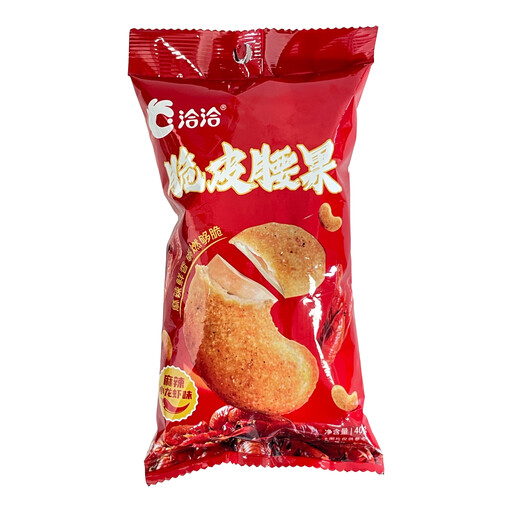 Image unavailable
The 40 g bag is a handy, small snack to take with you. Its crayfish and spice seasoning makes it different from plain cashews; check the ingredients and allergen information before sharing.
 Image unavailable
This 120 g bag contains ready-to-eat cashews. Their salty seasoning won’t suit you if you prefer cashews with no added salt. The product listing recommends eating them soon after opening, so check how to store any that are left.
Their protein content doesn’t automatically qualify them as high in protein. Auchan’s listing for PAPAPERO gives values of 23 g of protein and 631 kcal per 100 g. Based on these figures, protein provides around 14.6% of the energy, below the 20% minimum required for a “high in protein” claim under Regulation (EC) No 1924/2006, published on EUR-Lex. These cashews can be part of a snack, but their label alone doesn’t demonstrate their value for sports recovery.
Choose a pack size based on the number of people and your ability to keep the cashews dry and away from heat once the bag is open. If you’re sharing a large bag, check that it can be resealed or bring a suitable container.
Read the allergen information for each product before sharing a bag. The products discussed contain cashews; Auchan’s listing for its 125 g pack also mentions possible traces of peanuts and other nuts. “No added salt” tells you nothing about these risks.
Manger Bouger recommends not giving whole nuts to children under 6 because of the risk of choking. Keep bags out of reach of young children.