Groups sharing food at the campsite
If you’ll be keeping snacks in one place, a family-size bag or a multipack of larger bags can make a handy communal stash. Plan how you’ll portion it out and reseal anything left over.


For a camping festival, choose several small packs if everyone needs to take a portion in a lunch box or day bag. A large pack, or a multipack of larger bags, is better for a communal stash if your group can portion out the cashews and protect what’s left once opened. Then compare the ingredients, allergens and storage instructions for the product you’ve chosen.
If you’ll be keeping snacks in one place, a family-size bag or a multipack of larger bags can make a handy communal stash. Plan how you’ll portion it out and reseal anything left over.
Individual packs make it easy to hand out snacks before leaving the campsite: everyone can take one without opening the communal stash.
If salt or other ingredients matter to you, compare plain, no-added-salt and roasted-and-salted varieties. Check the allergens and any ‘may contain’ warnings on each pack, too.
First decide whether you’ll hand out the cashews before heading out or share them at the campsite. The number of bags and the weight of each one matter just as much as the total weight.
| What matters | What to check | Who this matters to |
|---|---|---|
| Sharing at the campsite | Number of packs, weight of each one and whether you can reseal the stash after opening. | If we’re eating together at the campsite, I want to be able to portion out the cashews without opening every bag. Around 36% of consumers would prioritise sharing them this way. |
| Portions to take with you | Weight per bag and how many packs you’ll need for lunch boxes or day bags. | When I’m heading out on foot with my lunch box, I’d rather take one portion than the whole stash; around 29% of consumers would prioritise this portable format. |
| Salt and ingredients | Ingredients list and the ‘salt’ entry in the nutrition information for the exact variety. | When people have different preferences, I want to be able to distinguish a plain or no-added-salt recipe from a salted one. This would be the top consideration for around 21% of consumers. |
| Allergens and storage | Allergens, ‘may contain’ warnings, and storage and resealing instructions on the packaging. | Before stocking up for the group, I need to be able to read the allergen information and know how to store an opened bag. Around 14% of consumers would put these checks first. |
A communal stash doesn’t automatically give you portions ready to pop into several lunch boxes.
Check the weight per bag and the number of packs. If you choose a larger format, portion it into clean, airtight containers before you set off.
Recipes vary by product. For example, E.Leclerc lists sunflower oil and salt among the ingredients in the TOKAPI 3 x 80 g multipack.
Read the ingredients list and nutrition information for the specific product you’re thinking of buying.
Storage instructions vary by product. For its 250 g family-size bag, Auchan asks customers to reseal it airtight after opening and consume it within 14 days.
Keep the bags away from heat and moisture, and follow the instructions on the pack you buy.
Formats, recipes and allergen information can vary between products from the same retailer.
Check the packaging for each variety, especially the ingredients and any ‘may contain’ warnings if you’re buying for a group.
Worth considering for a communal stash: Carrefour lists a multipack of three 400 g bags of unsalted roasted cashews.
The TOKAPI 3 x 80 g multipack gives you three separate bags to hand out.
Auchan offers a 250 g family-size bag of roasted and salted cashews, as well as a multipack of three 80 g bags.
Lidl offers Alesto plain cashews for anyone looking for this type of recipe.
Aldi lists 200 g bags of roasted cashews with no added salt.
Monoprix offers a 200 g bag whose listed ingredient is raw cashew nuts.
These cashew packs are worth considering for a snack on the go or a stash to share. If you’re looking for several bags in one purchase, check how many packs are included in the product you choose.
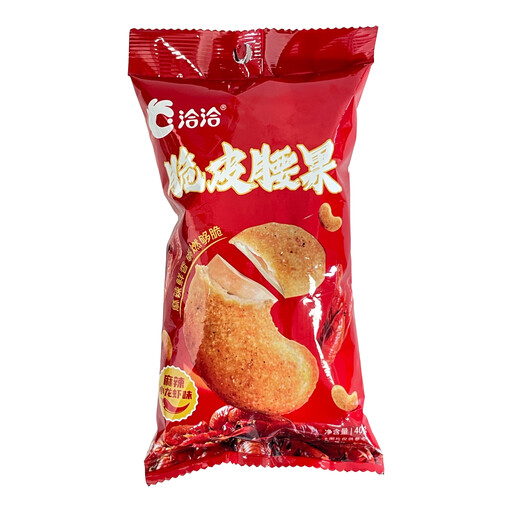 Image unavailable
The 40 g pack could be a handy option for a day bag. Before choosing it for a group, check how many bags are sold together and read the ingredients and allergen information on the packaging.
 Image unavailable
This 130 g bag may appeal if you’re comparing unsalted varieties. Check the ingredients and allergens for this product, then confirm the number of bags if you want to hand them out individually.
 Image unavailable
This 165 g pack could be shared at the campsite if you plan to portion it out. Check the instructions for after opening and the number of bags before treating it as a multipack.
 Image unavailable
The 500 g format is better suited to a communal stash than to portions that are already packed up. If everyone needs to take their share, bring suitable containers and check the storage instructions.
 Image unavailable
This 120 g salted format is worth considering for a snack on the go. Compare its ingredients with unsalted varieties and check how many bags are included if you’re packing several lunch boxes.
No. They make it easier to pack lunch boxes and hand out individual portions, but a larger format can work well for a group eating at the campsite. If so, plan how you’ll portion it out and reseal the opened bag.
Check the quantity per bag, ingredients list and allergen information for each product. For prepacked foods sold in France, the DGCCRF states that allergenic ingredients must be emphasised; also check the packaging for any ‘may contain’ warnings.
Keep it away from heat and moisture, and follow the instructions for the product you’ve bought. For its 250 g family-size bag, Auchan asks customers to reseal it airtight and consume it within 14 days of opening.
No. Information about salt doesn’t tell you whether a product contains allergens. Check the ingredients and any ‘may contain’ warnings on every pack, even when several products carry the same brand name.