Campers with access to hot water
Dehydrated sachets take up very little space in your bag, provided you can follow the preparation instructions using equipment that’s allowed at the campsite.


Choose a dehydrated soup sachet if you can get hot water in line with the festival rules and want to keep what you carry to a minimum. If you can’t be sure of having a way to prepare it, a shelf-stable liquid soup in a carton or tin means you won’t need hot water to reconstitute it. Even so, check the instructions for use and storage. Whichever you choose, pick a pack size that suits the number of portions you want, and read the recipe, allergens and date on the packaging.
Dehydrated sachets take up very little space in your bag, provided you can follow the preparation instructions using equipment that’s allowed at the campsite.
A shelf-stable liquid soup means you don’t need to rely on a camping stove to prepare it. Just make sure you check the instructions for your chosen product.
The ingredients list, highlighted allergens and storage instructions matter more to them than the type of packaging alone.
For a festival camping trip, first check whether you’ll be able to prepare your soup on site, then choose a pack size that suits the portions you want.
| What to consider | What to check | Who is this for? |
|---|---|---|
| Format and portions | Compare the volume of liquid soups with the number of portions or prepared volume stated for sachets. | If I’m going alone or sharing meals, I want to take an amount I can use during my stay. Around 40% of consumers prioritise getting the portion size right. |
| Preparation on site | Check the campsite rules and the product instructions before relying on hot water or a camping stove. | If I can’t be sure of having access to hot water, I don’t want to rely on a sachet I can’t prepare on site. Being able to enjoy the soup comes first for around 30% of consumers. |
| Ingredients and storage | Read the ingredients, highlighted allergens, date and instructions for use after opening. | If there are ingredients I need to avoid, I must be able to check the recipe and store the product as instructed. This is a priority for around 30% of consumers. |
A pack that’s easy to carry isn’t necessarily easy to prepare. For example, the rules at MozHell Open Air campsite prohibit camping stoves and any source of fire; your festival may have different rules.
Read the event rules and the soup instructions before choosing a product that needs to be reconstituted.
E.Leclerc’s Eco+ tomato and vermicelli soup, for example, contains vermicelli made with durum wheat semolina. So the name of a soup is no substitute for checking its ingredients list.
Check the label on the product you buy, paying particular attention to highlighted allergens.
Instant soup sachets, including tomato, 12-vegetable and leek and potato recipes listed by Auchan.
A range of shelf-stable liquid soups in cartons, including vegetable, tomato and pumpkin veloutés.
E.Leclerc’s own brand, which includes a 66 g sachet of dehydrated tomato and vermicelli soup.
Shelf-stable liquid soups, including vegetable, tomato and leek and potato veloutés.
ALDI’s own brand, with ready-to-eat veloutés and chunky soups.
These three soups need to be made with hot water, so they’re for campers who can get hot water in line with their festival’s rules. They don’t represent the ready-to-eat liquid soups discussed when comparing formats.
 Image unavailable
A handy way to take soup portions with you without carrying a carton of liquid soup.
Preparation requires hot water, so check the product instructions and campsite rules. Also read the ingredients and allergens on the packaging.
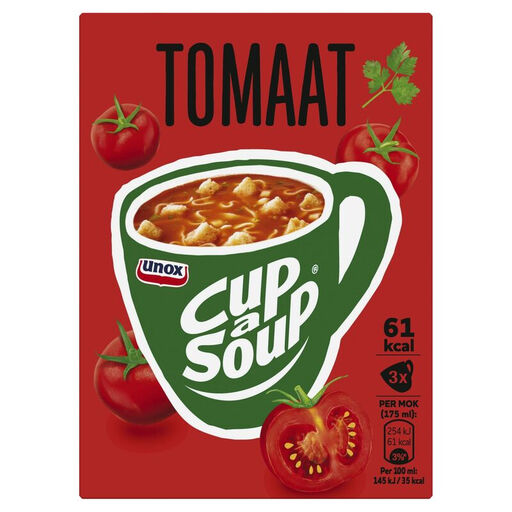 Image unavailable
A tomato instant soup to consider if you’ll have access to hot water on site.
Check the preparation instructions, ingredients list and allergens on the packaging.
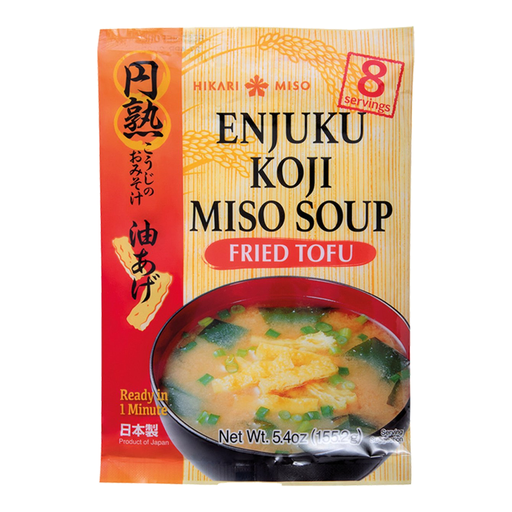 Image unavailable
A miso soup to consider for your camping trip if you can get access to hot water.
Check the number of portions, ingredients, allergens and preparation instructions for this product on the packaging.
It depends on the event rules, so check them before buying a soup that needs hot water. For example, MozHell Open Air campsite prohibits camping stoves, barbecues and any source of fire; this rule doesn’t apply to every festival.
Compare the amount of ready-to-eat soup with the prepared volume or number of portions stated for the sachet, rather than looking only at the weight of the powder. Check the yield and instructions on both products’ packaging.
Read the ingredients list, highlighted allergens, net quantity, date and storage instructions. France’s Directorate-General for Competition, Consumer Affairs and Fraud Control, for example, reminds shoppers that allergenic ingredients must be highlighted on the label.
No. A use-by date is a strict deadline, while a best-before date relates to how long the product will keep its quality. France’s Ministry of the Economy distinguishes between the two; in all cases, follow the storage conditions and instructions for use after opening on the packaging.