
Livraison le jour même ou le lendemain

Qualité garantie

Débloquez vos offres de bienvenue: Livraison GRATUITE | Jusqu'à -80 % | 30 jours d'essai gratuits à JoyPlus
Téléchargez l'application
A cornerstone of Asian cuisine, fermented soybean paste is the secret ingredient that adds an unparalleled depth of flavour: the famous umami. But once you're in the aisle, the choice can be overwhelming: miso paste or doenjang? White miso or red miso? Each container promises an authentic experience, but how do you know which one will truly elevate your dishes?
Our mission at Joybuy is to guide you through this world so you can make your choice with complete confidence. This guide is designed to demystify these essential condiments and introduce you to the best products for your future recipes, from the most comforting miso soup to the most flavourful Korean stews.
Before we unveil our top picks, let's review the key criteria for making an informed choice.
Although both originate from the same principle of fermenting soybeans, Japanese soybean paste (miso) and its Korean counterpart (doenjang) have distinct profiles and uses.
Make no mistake: the colour of miso is an excellent indicator of its flavour profile. The two most common varieties are:
A quick look at the ingredients list is always revealing. Look for the basic ingredients (soybeans, rice, barley, salt) and the potential presence of alcohol, used as a preservative. For those with allergies, caution is advised: check for soy and potentially gluten (if barley or wheat is part of the composition).
Here is our selection of products that perfectly illustrate the diversity of the market, each suited for specific culinary uses.
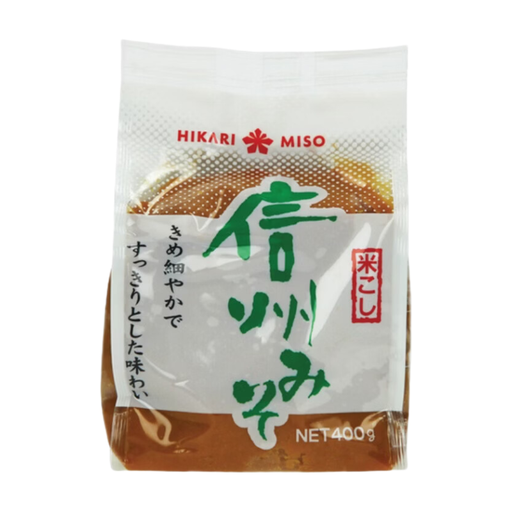
Why we chose it: This Shinshu-type miso, a variety of white miso (more of a pale yellow) that is very popular in Japan, offers a perfect balance between sweetness and saltiness. It's the ideal choice for getting started with miso cooking. Its smooth texture dissolves very easily, ensuring a perfect consistency in soups and sauces.
The pros:
Who is it for? For anyone new to miso or looking for a versatile staple for everyday Asian cooking. Perfect for a classic and delicate miso soup.
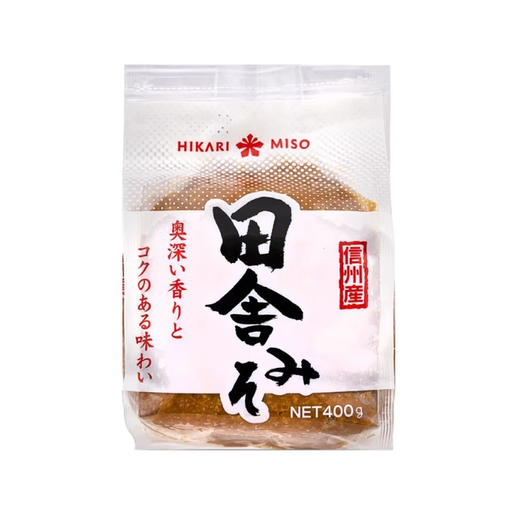
Why we chose it: This red miso (Aka Miso) from Hikari delivers on all the promises of a long-fermented paste: a deep and robust flavour. Its strong character is designed to enhance hearty dishes without ever being overshadowed. A powerful condiment that transforms a simple marinade into an explosion of flavour.
The pros:
Who is it for? For cooks in search of intense flavours. If you find white miso too timid or if you love slow-cooked dishes and grilled foods, this red miso will be your best ally.
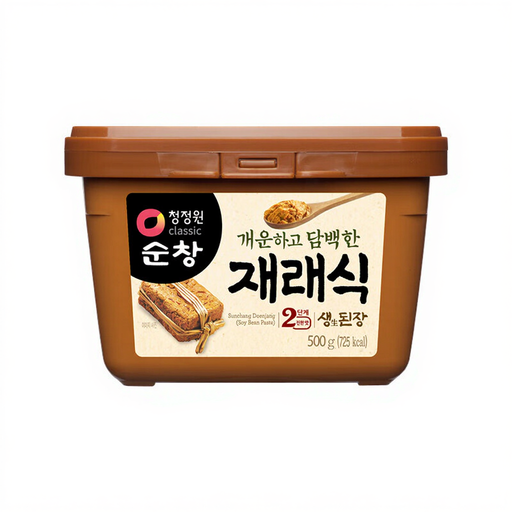
Why we chose it: This doenjang from the Chung Jung One brand is a classic in Korean cuisine. It has that unique umami flavour, both earthy and powerful, that defines traditional stews. Its coarser texture is characteristic and contributes to the authenticity of the dishes.
The pros:
Who is it for? For lovers of Korean cuisine who want to recreate the authentic taste of doenjang-jjigae or prepare ssamjang (a dipping sauce for grilled meat). It's also an ideal gateway for the curious who want to explore flavours beyond miso.
Our selection focuses on versatile flagship products that cover the most common uses. To explore a wider range, including soybean pastes with specific seasonings, ready-to-use mixes, or other formats, feel free to browse our complete category.
Discover Our Full Range of Seasoned Soybean Pastes
1. How should I store fermented soybean paste after opening the container? Once opened, fermented soybean paste must be stored in the refrigerator. The salt and fermentation act as natural preservatives, but the cold is essential to preserve its flavour and colour. Always make sure to close the lid tightly to prevent it from drying out.
2. Can I substitute miso for doenjang (and vice-versa)? Although they share a common base, their flavour profiles are very different. Miso is generally milder and smoother, while doenjang is bolder, saltier, and earthier. Swapping them would radically alter the taste of your dish. For an authentic result, it is therefore highly recommended to follow the recipe and use the specified paste.
3. How long does fermented soybean paste last? Thanks to their high salt content and fermentation, these pastes have a very long shelf life. Before opening, they can be kept for over a year. Once opened and stored in the refrigerator, they remain safe to eat for many months. The colour may darken over time, but this generally does not affect the safety of the product, although the flavour may evolve slightly. Always refer to the best-before date indicated on the packaging.