Feeling lost in the Asian food aisle, faced with a multitude of fermented soybean pastes? Miso, doenjang, red, white… The options are so numerous it's hard to know which one will elevate your recipe. Don't worry! This guide breaks down the differences between these essential Asian condiments. The goal: to help you choose and buy the right soybean paste for your needs, without the marketing jargon.
Buyer's Guide: Criteria for Choosing the Right Soybean Paste
To navigate the vast world of fermented soybean paste, a few key distinctions are necessary. Here are the three essential points to check before you head to the checkout.
1. Origin and Type: Japanese Miso vs. Korean Doenjang
The first major difference is its origin: Japan or Korea.
- Miso Paste (Japan):?This is a fermented paste made from soybeans, salt, and a starter culture called kōji (usually from rice or barley). Its flavour is often milder and more nuanced than its Korean counterpart. It's the star ingredient of Japanese cuisine, especially for the famous miso soup.
- Korean Doenjang:?This Korean ingredient is traditionally made only from soybeans and brine. Its fermentation process gives it a more rustic, earthy taste and a very pronounced umami flavour. It is significantly bolder and saltier than most misos.
2. Colour and Fermentation Time
The colour of a miso paste is a reliable indicator of its taste. It is directly related to its fermentation time.
- White Miso (Shiro Miso):?Fermented for a short period, it is the mildest and least salty of the misos. Its flavour is slightly sweet, making it very versatile. It's perfect for light soups, vinaigrettes, or glazing vegetables.
- Red Miso (Aka Miso):?Its longer fermentation gives it a dark colour and a much richer, saltier, and more complex taste. Aka miso is ideal for dishes that require a deep umami flavour, such as stews, robust ramen broths, or an umami marinade for red meat and fish.
3. Culinary Use: Soup, Marinade, or Condiment?
Naturally, your choice will depend on what you plan to cook.
- For a classic, delicate miso soup:?Opt for a white miso or a Shinshu-type miso.
- For a robust marinade or a stew:?Red miso or Korean doenjang will provide the necessary depth and intensity.
- For a subtle vinaigrette or sauce:?White miso is the best choice for adding umami without overpowering other flavours.
Top Fermented Soybean Paste Picks
To get you started, here are three products that perfectly illustrate the diversity of fermented soybean pastes.
Hikari Red Miso Paste (Aka Miso) 400 g
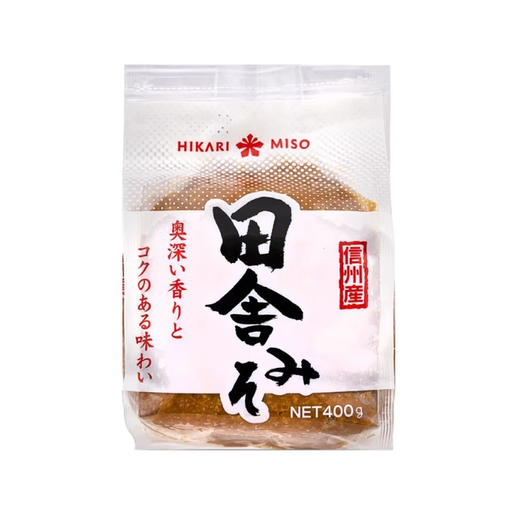
- Key Feature:?This Hikari's Red Miso (Aka Miso) is a staple of Japanese cuisine. Its long fermentation gives it a reddish-brown colour and a rich, salty umami flavour. It's an essential that adds instant complexity to many dishes.
- Benefits:?Its intense flavour is perfect for ramen broths, beef or salmon marinades, and miso soups with a bold character. Its fairly dense texture dissolves easily in hot liquids.
- Best For:?Cooks seeking authentic, deep Japanese flavours, and anyone looking to add body to their stews and sauces.
Sempio Korean Soybean Paste (Doenjang) 460 g
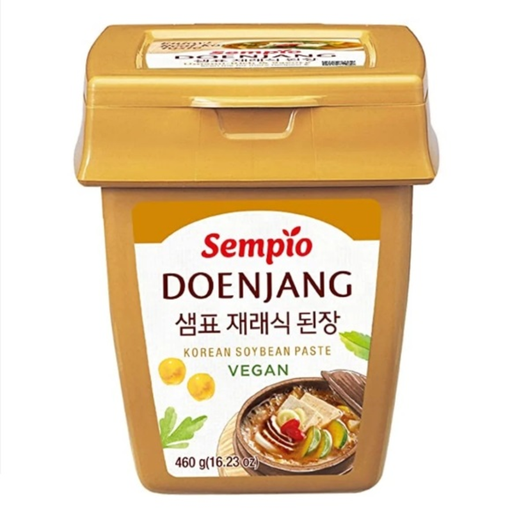
- Key Feature:?Sempio's Doenjang is a true institution in Korea. Made traditionally, it offers a powerful, earthy, and salty flavour that is much more rustic than miso.
- Benefits:?It's the essential ingredient for preparing iconic Korean dishes like Doenjang Jjigae (a soybean paste stew). Its intense taste also makes it a prime condiment to serve with grilled meats (mixed with gochujang to create ssamjang).
- Best For:?Fans of Korean cuisine and adventurous eaters who aren't afraid of powerful, complex fermented flavours.
Hikari White Miso Paste (Shinshu Miso) 400 g
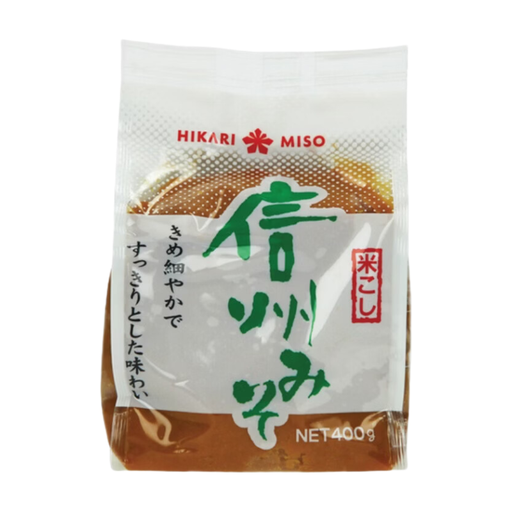
- Key Feature:?This Shinshu-type white miso is the perfect gateway into the world of miso. It has a mild flavour, a smooth texture, and a very balanced aromatic profile, with a hint of sweetness from the rice used in fermentation.
- Benefits:?Its versatility is its greatest strength. It pairs well with a multitude of ingredients without ever overpowering them. Perfect for everyday miso soups, creamy vinaigrettes, vegetable sauces, and even some sweet-and-savoury recipes.
- Best For:?Ideal for those new to miso or anyone looking for a subtle umami flavour enhancer. It's a powerful ally for vegetarian and vegan dishes.
Looking for Other Options?
Our selection highlights three distinct flavour profiles to guide you. But the world of fermented condiments is vast. If you want to explore other brands, barley-based misos, or other types of soybean pastes, the possibilities are nearly endless.
? Explore our full range of Fermented Sauces to find the ingredient that will elevate your dishes.
Frequently Asked Questions (FAQ)
What is the difference between red miso and white miso? The main difference lies in the fermentation time and ingredients. White miso (Shiro Miso), fermented for a short time, often contains more rice, giving it a mild, slightly sweet taste. In contrast, red miso (Aka Miso) ferments for longer, which results in a much saltier, more intense, and complex flavour.
How should I store fermented soybean paste after opening? Once opened, fermented soybean paste should be stored in an airtight container in the refrigerator. A helpful tip to maintain its freshness: place a piece of parchment paper directly on the surface of the paste to limit oxidation. It will keep for several months this way.
Can I use Korean doenjang instead of Japanese miso? Yes, but with a few precautions. Korean doenjang has a much more powerful, salty, and rustic taste than most misos. If you use it as a replacement, start sparingly: begin with a small amount and adjust to taste. It will bring a very different, typically Korean flavour to your dish. Therefore, it's not a 1-to-1 substitute, but rather an interesting alternative to mix things up.


