The sporty dad looking for a protein-rich snack
He wants to know how much protein is in the portion he’ll eat. A hazelnut flavour doesn’t tell him how much protein is in each item, or how much hazelnut the recipe contains.


If you want to give real hazelnuts, choose a bag of roasted hazelnuts and compare the protein content of the portion that will actually be eaten, not just the amount per 100 g. If you’re looking for an individual snack with a stated protein content per item, a bar may be a better fit. A protein dessert is more suited to eating with a spoon, provided you can keep it chilled. In every case, check the hazelnut content, ingredients and allergens of the product you choose.
He wants to know how much protein is in the portion he’ll eat. A hazelnut flavour doesn’t tell him how much protein is in each item, or how much hazelnut the recipe contains.
He prefers a short ingredients list and hazelnuts he can eat as they are or add to a homemade snack. To compare nutritional values, he needs to consider how much he’ll actually serve.
He may appreciate a ready-to-eat individual portion. However, it’s worth checking the protein content per item, allergens, any sweeteners and, for a chilled dessert, storage requirements.
To choose between plain hazelnuts, a bar and a dessert, start with the portion that will be eaten. Then check that the format suits how the gift will be given and enjoyed.
| What to consider | What to check | Who is it for? |
|---|---|---|
| Protein per portion | Compare the grams per bar, pot or serving, and check which ingredients provide the protein. | After exercise, I want to know what’s in the snack I’m actually going to eat. Around 50% of consumers prioritise protein per portion. |
| Format and storage | Check whether the product is an individual, ready-to-eat portion, and read the storage instructions. | If the gift needs to travel or be eaten without preparation, I look for a format that suits the journey. Around 33% of consumers put ease of carrying and gifting first. |
| Hazelnut content | Read the ingredients list and check the hazelnut percentage, if stated. Also look at the nutritional information for the amount being served. | If I want to give hazelnuts rather than just a hazelnut flavour, I check the ingredients first. Around 17% of consumers prioritise hazelnuts themselves and a simple recipe. |
A 50 g bar, a 180 g pot and a handful of hazelnuts aren’t equivalent portions. Auchan and E.Leclerc product listings state that roasted hazelnuts contain 17 g of protein per 100 g. This isn’t the amount in each serving.
Compare the protein in the item or serving you plan to eat, then check the other nutritional information and ingredients.
A chocolate and hazelnut description doesn’t tell you how much hazelnut the product contains. The Joybuy listing states that its Joyfuel bar contains 4.5% hazelnut pieces, while the visible ingredients list for the HiPRO dessert featured by Monoprix doesn’t declare any hazelnuts.
If hazelnuts are an important part of the gift, look for them in the ingredients list and check the percentage if it’s shown on the packaging.
According to the product listings in question, these products may contain milk, soya or nuts. The Auchan listing also warns that its roasted hazelnuts may contain traces of peanuts and other nuts.
Before giving the product to someone with a known allergy, check the ingredients and any ‘may contain’ warnings on the actual pack you’ve bought.
The HiPRO dessert cream featured by Monoprix must be kept between +1 °C and +6 °C. If you can’t keep to these instructions while travelling or handing over the gift, you may need to choose a different format.
If the gift needs to stay out of the fridge, choose a product with storage requirements that suit the journey and follow the instructions on its packaging.
Auchan’s 200 g bag of roasted hazelnuts contains hazelnuts.
This 200 g product, sold under E.Leclerc’s Marque Repère range, contains dry-roasted hazelnuts with no added salt.
The crispy hazelnut protein bar featured by Carrefour is an individual 50 g snack.
The 55 g white chocolate and hazelnut bar featured by Monoprix combines chocolate and hazelnuts in an individual portion.
The chocolate and hazelnut dessert cream featured by Monoprix is eaten with a spoon and must be kept chilled.
This pick is an individual protein bar containing hazelnut pieces, making it a ready-to-eat gift. To choose between this format, plain hazelnuts and a chilled dessert, compare the portion size and storage requirements.
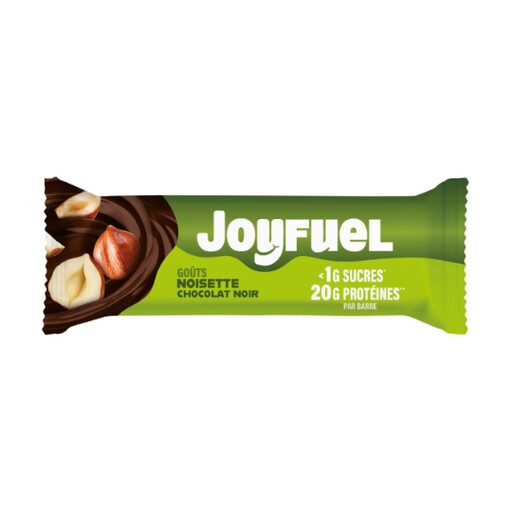 Image unavailable
This individual bar is a good choice for someone who wants to know how much protein is in their snack before taking it with them.
The Joybuy listing states that the bar contains 36 g of protein per 100 g, or around 19.8 g in a 55 g bar, and 4.5% hazelnut pieces. It also lists milk and soya proteins, hydrolysed collagen and maltitol. Check the label if any of these ingredients, or their allergens, are relevant to the recipient. If the source of the collagen matters to their dietary choices, check this before buying.
They provide protein, but the amount per 100 g doesn’t tell you how much protein is in the portion you’ll actually eat. Auchan and E.Leclerc product listings state that roasted hazelnuts contain 17 g of protein per 100 g. Start by deciding how much you’ll serve, then compare it with the other formats.
Compare the protein in the portion you’ll actually eat, then check the ingredients, allergens and storage requirements. An individual bar, a pot of dessert and a serving of granola from a packet won’t necessarily weigh the same.
No. The name doesn’t replace the ingredients list. The Joybuy listing states that the Joyfuel bar contains 4.5% hazelnut pieces, while the visible ingredients list for the HiPRO dessert cream featured by Monoprix doesn’t declare any hazelnuts.
Read the ingredients and any ‘may contain’ warnings on the packaging of the product you’ve bought. The products featured may contain milk, soya or nuts, and Auchan’s roasted hazelnuts may contain traces of peanuts and other nuts.
No. These words don’t tell you how much protein is in a portion or where it comes from. Read the nutritional information per portion and the ingredients list for the specific product, and don’t assume its name means it will have an effect on recovery.