Households comparing quantities
If the bars are for sharing, look at both the pack weight and the number of bars. These tell you different things: how much product is in the pack and how many portions you can hand out.


When choosing cereal bars to share on Father’s Day, compare the total weight, the number of bars and the weight of each one: a pack with more bars does not necessarily contain more product. The recipe matters too, especially if anyone has particular preferences or needs to avoid certain ingredients. If so, check the label on each product.
If the bars are for sharing, look at both the pack weight and the number of bars. These tell you different things: how much product is in the pack and how many portions you can hand out.
Oats, chocolate or nuts can all influence your choice. Kellogg’s products listed by Auchan, for example, come in different recipes and pack sizes, so check which variety you’re buying rather than relying on the brand name alone.
Before serving the same bars to several people, check the ingredients list and the allergens highlighted on each pack. The DGCCRF reminds shoppers that allergenic ingredients must be highlighted on the label.
When choosing a pack to share, consider the total quantity, ingredients and number of portions separately: each one matters for a different reason.
| What matters | What to check | Who is it for? |
|---|---|---|
| Total quantity | Compare the net weight of the packs, rather than just the number of bars. | When stocking up on snacks for the household, I want to know how much product the pack actually contains. Around 50% of consumers put comparing quantities first. |
| Recipe and labelling | Read the ingredients and allergen information. If the recipe matters to you, compare the nutritional values per 100 g. | If several people are sharing the bars, I need to choose a recipe that suits them and check any key ingredients. This is the top priority for around 30% of consumers. |
| Number of portions | Count the bars and check the weight of each one. | When preparing snacks to hand out or take on the go, I mainly need to know how many portions are available. Around 20% of consumers prioritise the pack format above all else. |
The number of bars and their weight vary from one product to another. A pack of smaller bars may not meet the same needs as a pack with fewer, larger portions.
Before choosing a pack to share, check the net weight, the number of bars and the weight of each bar together.
The Kellogg’s High Protein Salted Caramel bar listed by Auchan contains peanuts and roasted almonds, so it may not be suitable for everyone.
Check the ingredients and allergens for the specific product before putting together an assortment for several people.
Carrefour describes Chocostar BN as a chocolate-coated biscuit, not a cereal bar. Including it in your comparison can make it harder to compare pack sizes.
Treat biscuits as a separate snack category and compare cereal bars with other cereal bars.
A seasonal catalogue doesn’t guarantee that a product will be available at your chosen store when you shop.
Before setting off or placing an order for Father’s Day, check that the product is available at the store or for collection from the relevant drive-through.
The Carrefour and Carrefour Classic’ ranges include several cereal bars, with different recipes and weights.
Auchan sells Crousti bars made with chocolate and cereals, as well as recipes containing nuts.
The Croustille Avoine and High Protein products listed by Auchan have different recipes and portion sizes.
The Auchan range we looked at includes Grany chocolate and cereal bars, as well as a green apple recipe.
The Nature Valley products we found at Auchan include nut-based recipes and bars in other pack sizes.
These products give you a chance to compare different pack sizes and recipes for sharing or taking on the go. To choose between them, compare the quantities and check the ingredients on the product page and packaging.
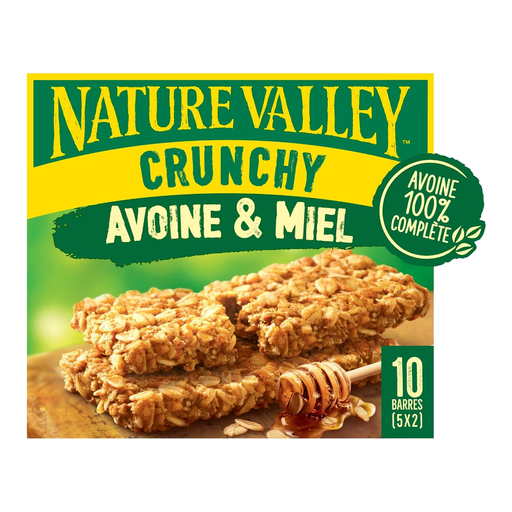 Image unavailable
This oat and honey recipe is worth considering if those flavours suit the people you’re sharing it with. The title lists a pack of 5 weighing 210 g in total. Before dividing it up, check the number of bars and the allergens on the packaging.
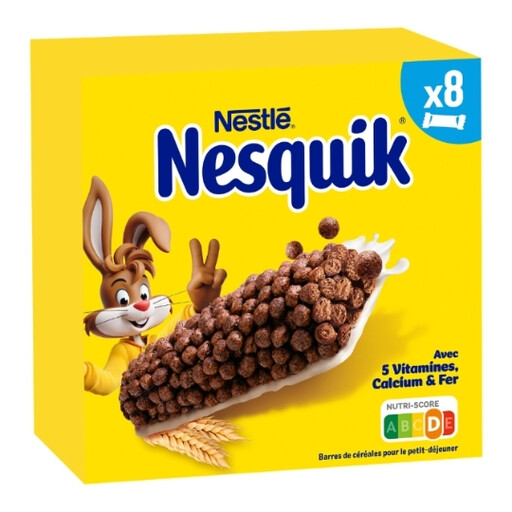 Image unavailable
If the number of portions is your top priority, this pack contains eight bars weighing 25 g each. Check that the recipe and allergens are suitable for the people you’re buying them for.
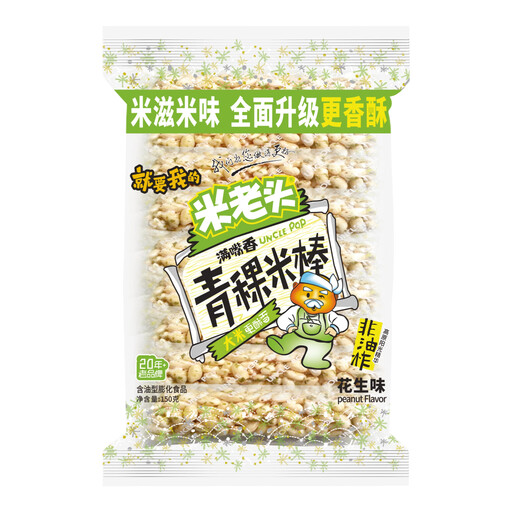 Image unavailable
This barley and rice option may appeal if you’re looking for this kind of recipe rather than a biscuit. The pack weighs 150 g. Before planning to share it, check the number of bars and the allergen information.
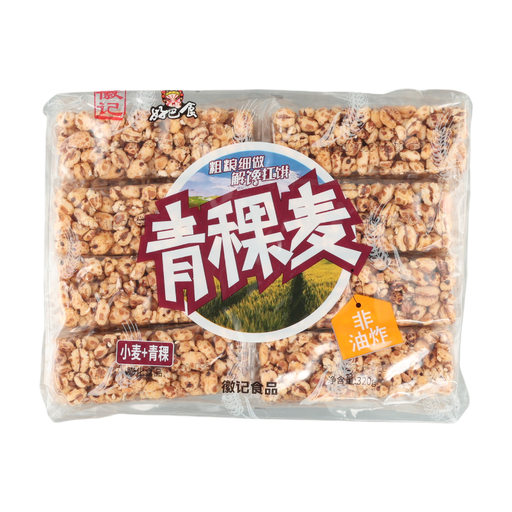 Image unavailable
If you’re comparing the total quantity in packs of barley bars, this one is listed as 320 g. If you plan to hand them out, check the number of bars and the allergens on the label.
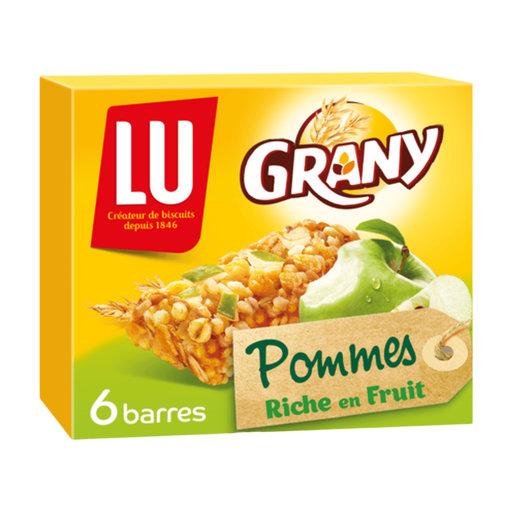 Image unavailable
This apple recipe is worth considering if the flavour appeals to the people you’re buying for. The pack is listed as 125 g. Before choosing a pack to share, check the number of bars and the ingredients in this product.
Look separately at the net weight, the number of bars and the weight of each one. This will help you work out whether your priority is the total quantity or the number of snacks you can hand out.
Use the nutritional values per 100 g to compare recipes on a like-for-like basis, then take the weight of the bar you’ll be eating into account. The DGCCRF explains that nutritional information per 100 g makes it easier to compare foods.
Check the ingredients list for each product and look for the allergens highlighted there, as the DGCCRF advises. Don’t assume one recipe has the same ingredients as another, even if they carry the same brand name.
No. Consider who will be eating it and check the label on the specific product. For example, Auchan lists a Kellogg’s High Protein Salted Caramel bar containing peanuts and roasted almonds.