
Livraison le jour même ou le lendemain

Qualité garantie

Débloquez vos offres de bienvenue: Livraison GRATUITE | Jusqu'à -80 % | 30 jours d'essai gratuits à JoyPlus
Téléchargez l'application
A fast USB-C charger for your smartphone can power up a phone, a tablet, earphones and, sometimes, a laptop. But the numbers printed on the box aren’t enough to guarantee efficient charging. Incompatible protocols, limited cables and power shared between multiple ports can turn a promising purchase into a disappointment after just a few uses.
Here are the points to check before choosing a USB-C mains charger, a power bank or a USB-C car charger.
A charger showing 100 W won’t necessarily deliver 100 W to a smartphone. The phone automatically limits the power it can accept. A model that supports 25 W charging, for example, won’t draw any more just because it’s plugged into a 100 W block.
With a multi-port charger, the available power can also be shared between the different outputs. So check whether the maximum power refers to a specific port or the charger as a whole.
The term “fast charging” is far too vague to be truly useful. Depending on the device, you might come across USB Power Delivery, PD 3.0, PPS, Quick Charge or a brand-specific proprietary protocol.
A Samsung 25W charger compatible with PD 3.0 and PPS will suit many Galaxy phones that support Samsung fast charging. For an iPhone, a fast iPhone charger mainly needs a USB-C output suited to the phone’s requirements and must be used with a compatible cable.
A USB-C cable can be designed for charging, data transfer, video output or several of these uses at once. Two visually identical models can, however, handle very different power levels.
A 240W USB-C cable is suitable for devices that can make use of high power, but it won’t turn a smartphone into a device that supports 240 W charging. Always check the specifications of both the charger and the connected device.
For a smartphone, a power output between 20 W and 35 W covers most everyday needs. Tablets and USB-C laptops, however, may require more. A USB-C charger for iPad and MacBook therefore needs to deliver sufficient power and offer a suitable USB Power Delivery output.
Make sure you check:
The actual power delivered depends on the device, its battery level, the temperature and the cable used.
A GaN charger uses gallium nitride instead of traditional silicon-based components. This technology generally makes it possible to design more compact blocks – a real advantage when travelling or when sockets are close together. That said, it doesn’t mean you can ignore the usage instructions; always leave enough space around the charger for it to dissipate heat.
For a mains charger, choose an intact casing, a plug compatible with UK sockets and clear information about the 100-240 V input range if you plan to use it abroad.
A USB-C cable intended for high power must clearly state its capacity. The Anker model shown below claims up to 240 W and a braided design. The resistance to over 300,000 bends mentioned in its specifications is, however, a figure provided by the manufacturer, not a guarantee of lifespan in all conditions.
Avoid using a damaged cable, one exposed to moisture or one that is sharply bent near the connector. For a USB-C car charger, also check compatibility with a 12-24 V power supply and how the power is distributed between the outputs.
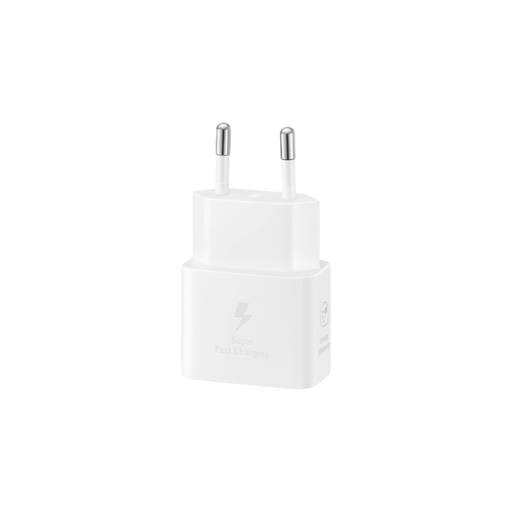
Why this choice suits this profile: this 25 W mains block is perfect for everyday use with a smartphone or USB-C accessories, without extra ports or complicated settings.
Its 25 W power is clearly stated and the specifications mention PD 3.0 and PPS compatibility. The USB-C cable is included with this version of the product.
One output up to 25 W, a 100-240 V input and a compact design weighing 51.6 g according to the information provided.
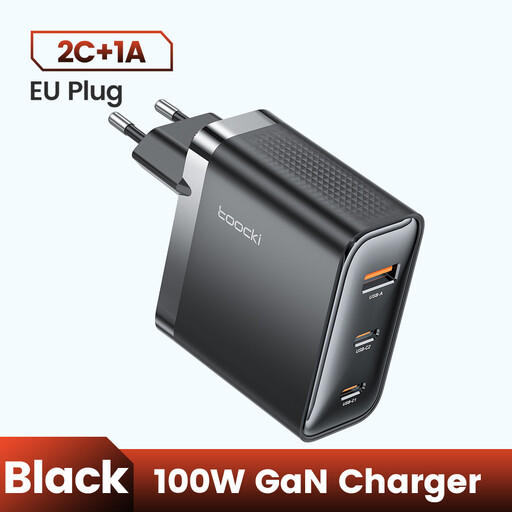
Why this choice suits this profile: its three ports and advertised 100 W power make it possible to charge a laptop, a tablet and a smartphone at the same time.
The specifications list PD 3.0 and QC 3.0 compatibility, as well as GaN design. You should, however, check the power available when several devices are plugged in.
Three outputs, a foldable plug and an advertised 100 W power for compatible devices.
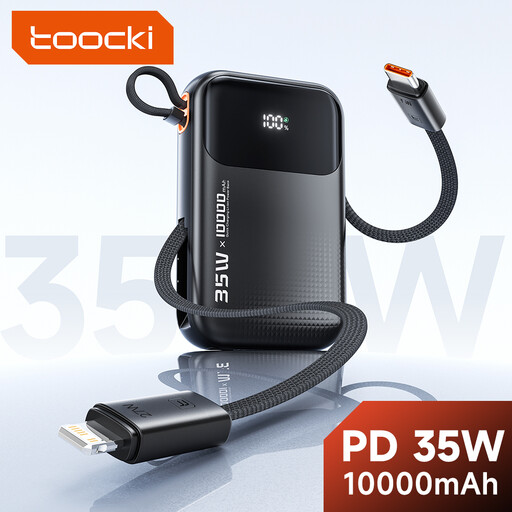
Why this choice suits this profile: this 10,000 mAh power bank is designed for travel, daily commutes and situations where no mains socket is available.
The capacity, USB-C input/output and 35 W PD 3.0 power are clearly stated, making it easy to compare with your device’s needs.
A 10,000 mAh capacity, a USB-C output and advertised compatibility with smartphones, earphones and the iPad.
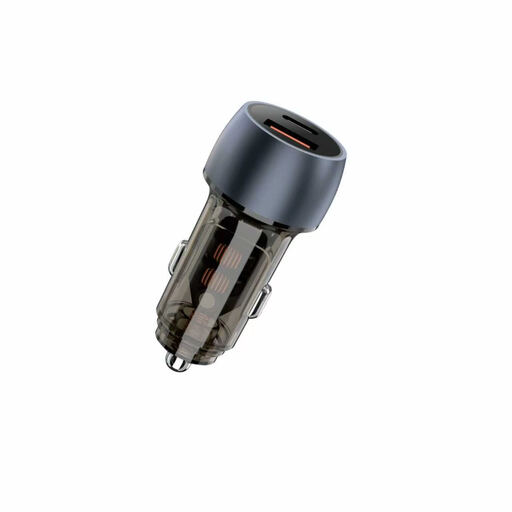
Why this choice suits this profile: this USB-C car charger is ideal for drivers who want to power several devices during their journeys.
The specifications state a 12-24 V DC input and distinguish a 100 W USB output from a 20 W PD output. This distribution should be considered before purchase.
Two advertised outputs, an aluminium alloy casing and automatic device detection according to the product specifications.
We’ve put together a comprehensive, real-time updated list of products that meet these demanding selection criteria and European safety standards.
In principle, the device negotiates with the charger the power it can accept. Nevertheless, use a model in good condition, a suitable cable and follow the manufacturer’s recommendations. The power advertised on the block does not mean the smartphone will automatically receive that amount.
Yes, depending on the power you need. A cable designed for standard charging can limit the available power. For a laptop or high-power charging, check the cable’s stated capacity, the presence of USB-C connectors at both ends and its compatibility with the PD protocol.
A Samsung 15W wireless charger can work well on a bedside table or desk, especially for charging a phone and compatible Qi accessories. The speed, however, depends on the device, the mains adapter used, the alignment and the temperature. For occasional fast charging, a wired connection is generally more predictable.