
Livraison le jour même ou le lendemain

Qualité garantie

Débloquez vos offres de bienvenue: Livraison GRATUITE | Jusqu'à -80 % | 30 jours d'essai gratuits à JoyPlus
Téléchargez l'application
A fast USB-C charger can power a smartphone, tablet, headphones and even a laptop. But a high wattage figure on the packaging doesn’t, on its own, guarantee a fast, safe charge that’s right for your equipment.
Before you head to the checkout, three common pitfalls keep cropping up:
The smart approach, then, is to choose a USB-C mains adapter that suits your needs, rather than chasing the highest number.
For a smartphone, a USB-C mains charger of 20 to 30 W is usually enough. The Samsung 25 W charger, for example, supports Power Delivery 3.0 and PPS with compatible Samsung devices. However, Super Fast Charging depends on the smartphone, the cable and the conditions of use.
A tablet or laptop may need more power. A 65 W GaN charger can power several mobile devices as well as some ultraportables. For a more demanding machine, a 100 W USB-C charger can be a sensible choice, provided the computer and cable are also compatible.
Here are the main features to look for:
The stated power is always a maximum value. Charging speed can vary depending on temperature, battery level and the limits set by the device manufacturer.
A charger with two or three ports can replace several mains adapters at home, in the office or in a travel bag. However, check whether the maximum power advertised applies to a single port or the charger as a whole.
Three ports are handy for charging a phone, headphones and a tablet at the same time. For a laptop, it’s best to reserve the most powerful USB-C output and consult the power distribution table provided by the manufacturer.
GaN (gallium nitride) technology generally allows chargers to be more compact than silicon models offering comparable power. That said, it doesn’t let you off the hook when it comes to checking compatibility and safety features.
A USB-C to USB-C cable capable of handling the required power is essential. For 25 W, a 3 A compatible cable may be enough depending on the device. With higher power, especially for a laptop, look for a 5 A rating or an equivalent certified power level.
Before you buy, also remember to check:
Never cover a charger with fabric, don’t place it near a water source, and stop using it if the casing is cracked.
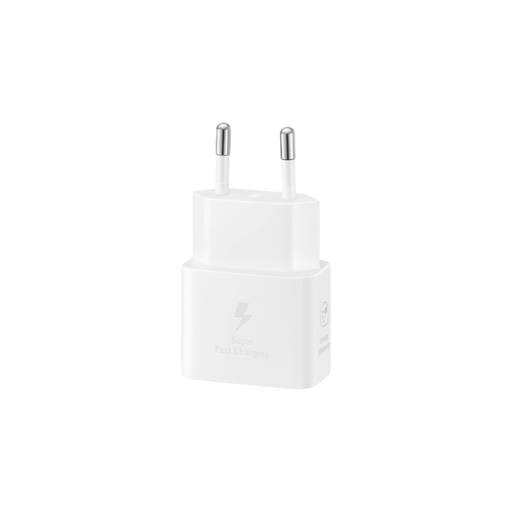
Why this choice suits this profile: With its 25 W, USB-C port and PD 3.0/PPS compatibility, this charger is ideal for anyone looking for a simple solution for a compatible smartphone or tablet. The cable is sold separately depending on the configuration.
The stated power is clearly indicated and the product page specifies that the cable may not be included. This means you can plan for a suitable USB-C cable, rather than discovering this detail after you’ve made the purchase.
Up to 25 W, a 100–240 V input, a compact design and protections against overcurrent, short circuits and overheating.
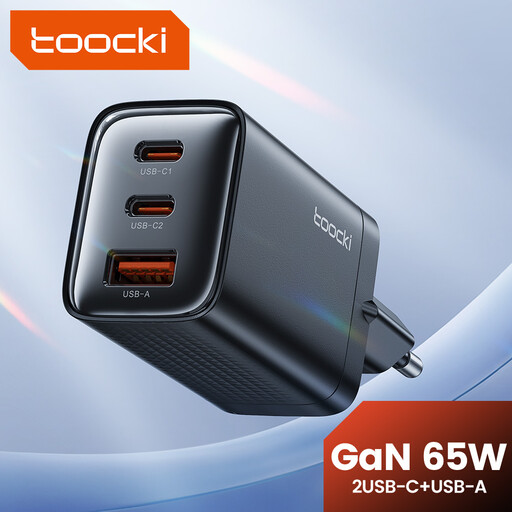
Why this choice suits this profile: With its three ports and stated 65 W power, this charger is ideal for users who carry several devices, for example a laptop, a phone and a tablet.
Its ports allow you to replace several mains adapters. However, you do need to check the power distribution when multiple devices are plugged in at the same time.
GaN technology, three ports and a stated 65 W power for use at home, at work or on the go.
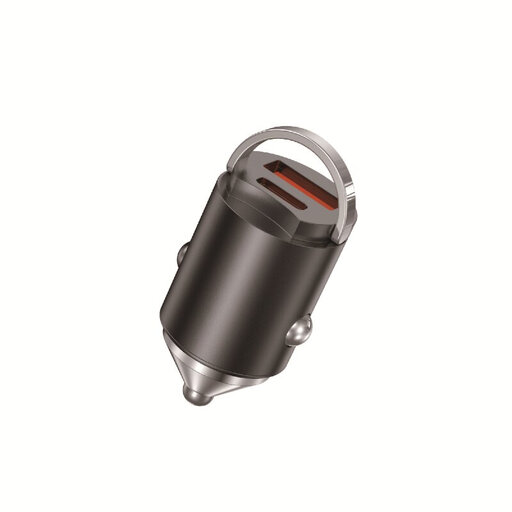
Why this choice suits this profile: This USB car charger plugs into a 12–24 V power supply. It combines a USB output rated up to 100 W and a 20 W PD output, making it suitable for both business trips and family journeys.
The product page clearly distinguishes the outputs and the vehicle power supply. Before using it, check the compatibility of the socket, cable and device with the stated power.
An aluminium alloy casing, a 12–24 V input and automatic recognition of connected devices.
We’ve put together a comprehensive, real-time updated selection of products that meet these strict criteria as well as European safety requirements.
A Qi wireless charger fits easily on a bedside table or desk. You just place a compatible device on it. However, the actual power delivered depends on alignment, the case and the phone. A model like the Samsung Duo wireless charger can charge two compatible devices, but the mains adapter may be sold separately depending on the configuration.
A USB-C power bank is better suited to journeys, train travel or days spent away from a power socket. Look at its capacity in mAh, its output power and whether it can be recharged via USB-C. A 10,000 mAh power bank is a common size, but the actual energy available is lower than the theoretical value due to conversion losses.
In the car, check the socket voltage, the cable length and the power distributed between devices. At home, a GaN charger with multiple ports can also help reduce clutter.
In principle, the charger negotiates with the device the power it can accept, via the compatible protocol. Still, use a cable in good condition and be wary of accessories with vague technical specifications. The charger’s maximum power doesn’t mean the phone will receive that value continuously.
Its lifespan depends on build quality, ventilation and conditions of use. Leave space around the adapter, unplug it if it gets unusually hot or gives off a strange smell, and replace any frayed cable. Used and stored correctly, an everyday charger can remain operational for many years.
Not necessarily. A PD-compatible USB-C charger can work with several brands, as long as it delivers the required power and is paired with the right cable. For a fast iPhone charger, a fast Samsung charger or an iPad charger, check the protocols supported by the device before finalising your purchase.