
Livraison le jour même ou le lendemain

Qualité garantie

Débloquez vos offres de bienvenue: Livraison GRATUITE | Jusqu'à -80 % | 30 jours d'essai gratuits à JoyPlus
Téléchargez l'application
A fast USB-C charger can power a smartphone, tablet, console and even a laptop. But a high wattage figure on the packaging doesn't guarantee fast charging or perfect compatibility. Between charging protocols, limited cables and ports that share power, some purchases can quickly prove disappointing.
This guide from the Joybuy Product Recommendation Officer helps you identify the criteria that really matter, whether you're looking for a USB-C mains charger for home, a compact model for travel or a USB-C car charger.
A 100 W USB-C charger won't necessarily deliver 100 W to a smartphone. The actual power used depends on the connected device, the protocol it supports and the cable you're using. A phone that supports 25 or 30 W charging will automatically limit itself to that level.
For a smartphone, 30 W is usually enough to enjoy fast wired charging. A tablet or console may need more, while a laptop will often require 45 W, 65 W or higher.
Simply stating "fast charging" is too vague if it's not backed up by technical details. USB-C Power Delivery, also known as USB-C PD, allows the charger and device to negotiate the right voltage and current. Some models also support PPS, a feature particularly useful with several Samsung Galaxy smartphones.
Quick Charge technology can be useful for certain devices, but it doesn't automatically replace Power Delivery compatibility. Before you order, always check the specifications of your smartphone, tablet or computer.
A USB-C to USB-C cable supplied with a charger may not offer the same capabilities as a model designed for 100 W. If you plan to use high power, check the maximum current rating, any certification and the cable length. An included accessory is convenient, but also look at the connector type: USB-C to USB-C or USB-C to Lightning.
The total advertised power shouldn't be confused with what's available on each port. With a multi-port USB-C charger, performance can change as soon as several devices are plugged in at once.
Choose models that clearly state USB-PD compatibility, USB-IF certification and protection against overcharging, overvoltage, overheating and short circuits. A 100–240 V, 50/60 Hz input makes it easier to use when travelling abroad, with a suitable plug adapter if needed.
In the UK, plug your charger into a compliant wall socket and leave enough space around the unit. Some warmth during high-power charging can be normal. However, stop using it immediately if you notice an unusual smell, smoke, noise or deformation.
Thanks to its high power density, a GaN charger can be particularly compact. However, do check its weight, the size of its plugs and whether a cable is included. At the office, multiple ports help you avoid stacking adapters. In the car, make sure it's compatible with a 12–24 V power supply.
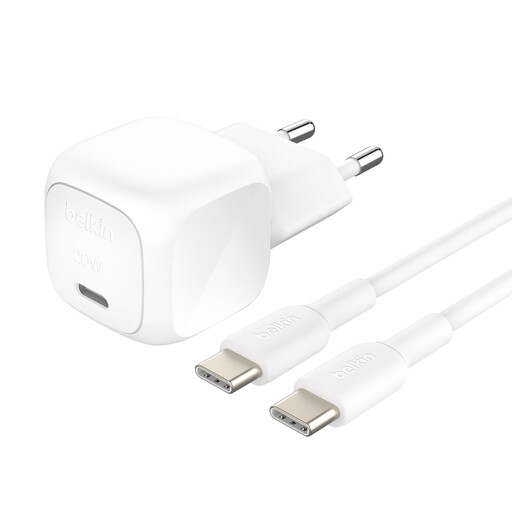
Why this choice suits this profile: Its wall-mounted design, one-metre USB-C to USB-C cable and advertised 30 W power on the product page make initial setup very straightforward with a compatible smartphone or tablet.
The included cable means you don't need to buy an extra accessory straight away. The product page also states USB-PD compatibility and protection against overcharging and overheating.
1 m cable included, 100–240 V input and USB-PD 3.1 certification stated.

Why this choice suits this profile: The advertised 45 W gives users who regularly switch between smartphone, tablet or USB-C computer plenty of flexibility, especially when travelling.
The power, PDO and PPS profiles, and PD 3.1 certification are all detailed, rather than being summed up with a vague mention of fast charging.
Advertised weight of 58 g, 1 m USB-C cable included and PPS support stated.
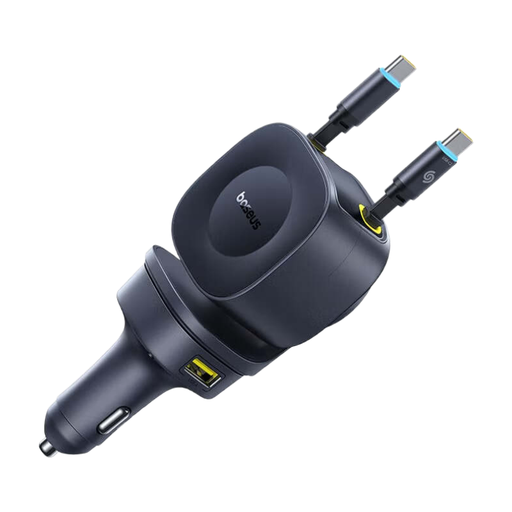
Why this choice suits this profile: This USB-C car charger is designed for long journeys and vehicles where several passengers need to charge their devices at the same time.
The product page states a 12–24 V input, four ports and protection against overcurrent, overvoltage, overheating and short circuits.
Three USB-C ports, one USB-A port and two built-in retractable cables, according to the product page.
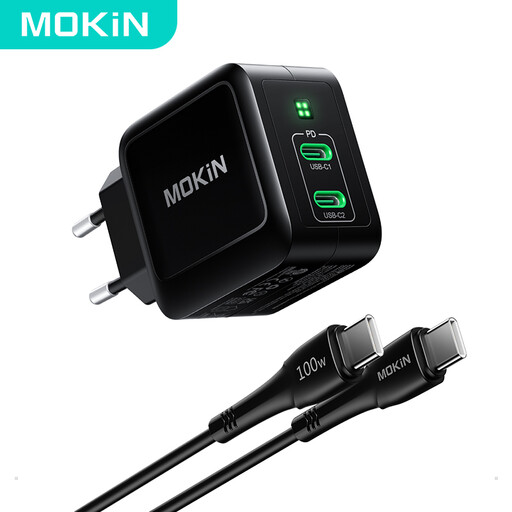
Why this choice suits this profile: Its two USB-C ports and power of up to 100 W on one port let you power both a laptop and a mobile device at the same time.
The power distribution between the two ports should be checked before purchase. The product page also mentions temperature monitoring and output control.
GaN technology stated, two USB-C ports and a 1.2 m USB-C to USB-C cable included.
We've put together a comprehensive, real-time updated list of products that meet these demanding selection criteria and European safety regulations.
A compliant charger won't automatically push more power than the device can accept. The phone normally negotiates the available voltage and current. Use a cable in good condition, don't cover the charger and follow the manufacturer's recommendations.
For a smartphone that supports USB-C Power Delivery, a 30 W model is a practical starting point. A 45 W charger offers more versatility with a tablet or a lightweight computer, but the phone will only draw the power it can handle. With a Samsung Galaxy, also check PPS compatibility if that feature is needed.
The power consumption mainly depends on the energy delivered to the device, conversion losses and how long the charger stays plugged in. Unplugging the adapter when it's not in use helps reduce standby consumption. A GaN model can reduce size and some losses, but it won't eliminate electricity usage entirely.