
Livraison le jour même ou le lendemain

Qualité garantie

Débloquez vos offres de bienvenue: Livraison GRATUITE | Jusqu'à -80 % | 30 jours d'essai gratuits à JoyPlus
Téléchargez l'application
A fast USB-C charger can power up a smartphone, tablet or laptop in record time — provided the adapter, cable and device are all compatible. The wattage printed on the box alone isn't enough to make the right choice.
Before you head to the checkout, three common pitfalls keep cropping up:
For a recent smartphone, a 25 W USB-C charger often works well with models that support this power level. The Samsung EP-T2510, for example, supports USB Power Delivery 3.0, PPS and Super Fast Charging, according to the manufacturer's information. However, charging speed depends on the phone, cable and usage conditions.
For a tablet, ultraportable laptop or multiple devices to charge, a 100 W USB-C charger gives you more headroom. You still need to check the input power your laptop accepts. A higher wattage won't automatically damage it: the charger and device negotiate the right power level, provided the protocols are properly supported.
A Power Delivery charger is an adapter that can negotiate voltage and current with a compatible device. The PPS protocol allows even more precise adjustment on certain Samsung smartphones. Manufacturers also offer their own fast-charging technologies, but these don't necessarily work with all Apple, Google or Samsung devices.
For a versatile charger, look for:
The presence of a GaN chip can also reduce the adapter's size. A GaN charger uses gallium nitride instead of traditional silicon, which generally allows for more compact designs. However, this doesn't guarantee the same level of protection or power distribution from one model to another.
A USB-C to USB-C cable must be suitable for the power level you need. For a powerful laptop or mobile workstation, a 240 W USB-C cable can be useful. It won't, however, turn a 25 W charger into a 240 W one. Data transfer speed is also independent of charging power.
At home or in the office, choose a USB-C mains charger with a sufficiently detailed spec sheet. In the car, check compatibility with a 12–24 V input voltage and the power allocated to each output. For a power bank, consider capacity, weight, ports and output power. A 10,000 mAh power bank is a common compromise for daily commutes, but a higher capacity will be better for longer trips.
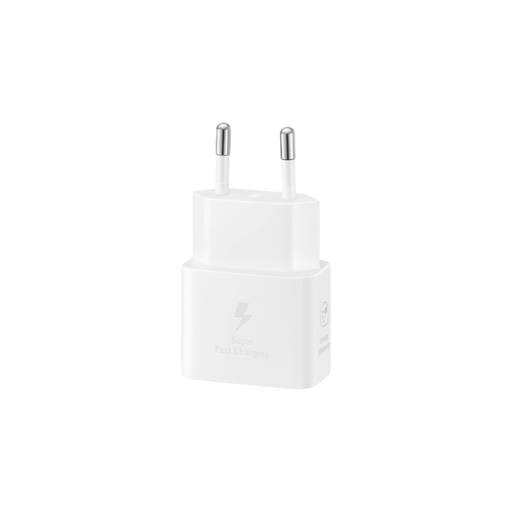
Why this suits this profile: This 25 W adapter is ideal for daily charging of a smartphone or USB-C tablet. Its design is described as compact and lightweight.
Its maximum power is clearly stated, and its PD 3.0 and PPS protocols are specified. However, check that the version you choose includes the cable.
Power up to 25 W, 100–240 V input and USB-C compatibility stated for compatible devices.
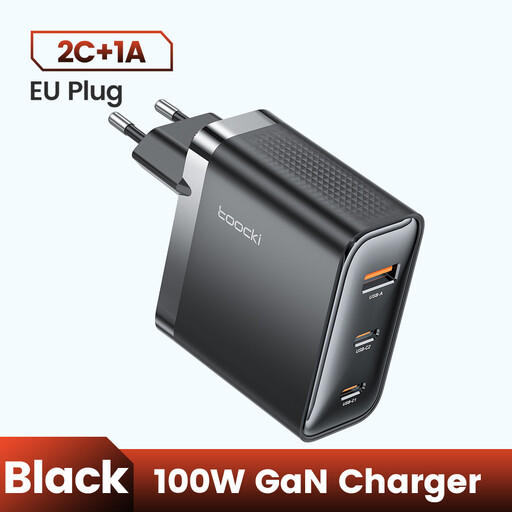
Why this suits this profile: Its three ports and stated power of up to 100 W let you charge a laptop, phone and accessories from the same desk.
The spec sheet clearly states the number of ports and GaN technology. Check the power distribution before plugging in multiple devices.
Stated power of 100 W, three ports, foldable plug and support for PD 3.0/QC 3.0 according to the description.
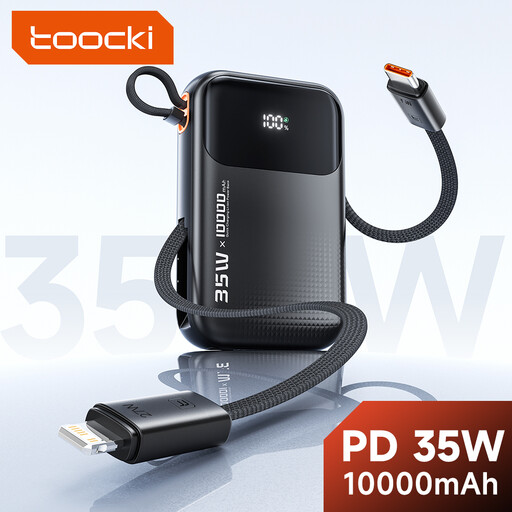
Why this suits this profile: This 10,000 mAh, 35 W power bank is ideal for daily commutes, travel and situations where no mains socket is available.
Capacity and output power are stated separately, so you can distinguish available battery life from charging speed.
Stated capacity of 10,000 mAh, USB-C input and output, power up to 35 W and support for PD 3.0/QC4+ according to the spec sheet.
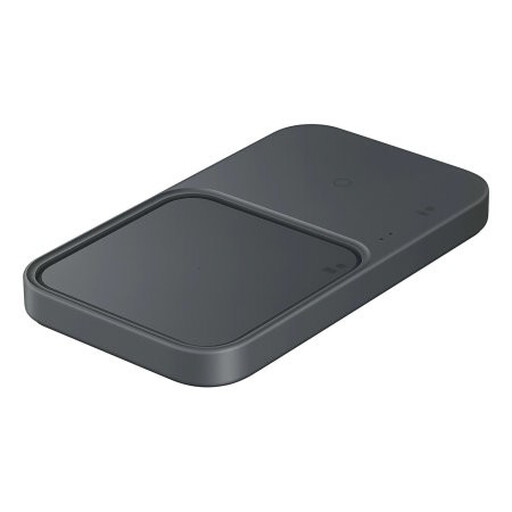
Why this suits this profile: This Samsung wireless charger fits neatly on a desk or bedside table, charging two compatible Qi devices at the same time.
The 15 W wireless power is clearly stated and Qi compatibility is specified. However, this solution may not replace a fast wired charger.
Charges two devices, built-in cooling system, metal object detection and LED indicator.
We've put together a comprehensive, real-time updated selection of products that meet these strict criteria as well as European safety regulations.
A USB-C car charger must be compatible with a 12–24 V power supply and stay securely in the cigarette lighter socket. The PAVAREAL CC72 and CC71 models state a 100 W USB output combined with a 20 W PD output. This is a theoretical maximum power: the distribution may vary depending on which ports are used and the device connected.
Before you hit the road, also check the cable length, access to the sockets and that there's no overheating. Never leave a damaged adapter plugged into your vehicle.
Yes, if it uses a compatible protocol and a suitable cable. The phone will only draw the power it can accept. For an iPhone and Samsung charger, choose a model that supports Power Delivery and check the specific requirements of each device.
Not necessarily. A 240 W cable can be useful with a compatible laptop, but a smartphone limited to a lower power level won't charge any faster. The key is to choose a certified cable that's suitable for the power you need.
It depends on build quality, usage and storage conditions. Avoid covering the adapter, keep it away from water and replace it if the casing, plug or cable shows any cracks, unusual smells or signs of overheating.