
Livraison le jour même ou le lendemain

Qualité garantie

Débloquez vos offres de bienvenue: Livraison GRATUITE | Jusqu'à -80 % | 30 jours d'essai gratuits à JoyPlus
Téléchargez l'application
Is your new laptop or smartphone a cutting-edge piece of tech that takes forever to charge? The charger isn't always to blame. More often than not, an unsuitable cable is the culprit, leading to slow and disappointing charging. Between the ever-growing list of standards, rising wattages, and confusing marketing jargon, it's hard to know what to choose.
As a product expert at Joybuy, my mission is to bring you clarity. This guide separates fact from fiction to help you choose a high-performance, durable fast-charging USB-C cable. We'll then present a selection of reliable models designed for professionals and tech enthusiasts in 2026.
Before diving into our top picks, here are three essential criteria to consider to make the right choice and avoid any unpleasant surprises.
Expressed in watts (W), power is the name of the game. It's the Power Delivery (PD) technology that allows the cable and device to "negotiate" and agree on the optimal charging speed.
Subjected to daily wear and tear, a cable needs to be robust. Investing in durability means you won't have to replace it every six months. A braided USB-C cable, typically made of nylon, is the champion of durability: it withstands bending and fraying far better than basic plastic cables. Liquid silicone is another popular option, valued for its flexibility and soft touch, while also being highly resistant.
Be careful not to confuse charging speed with data transfer speed. Most cables optimised for fast charging are based on the USB 2.0 standard (480 Mbps), which is more than enough for syncing photos or music. For transferring very large files (4K videos, large projects) or connecting an external display, you'll need to look for specific cables (USB 3.2, USB4, or Thunderbolt), which are in a category of their own.
We have selected three models that stand out for their performance and meet specific needs.
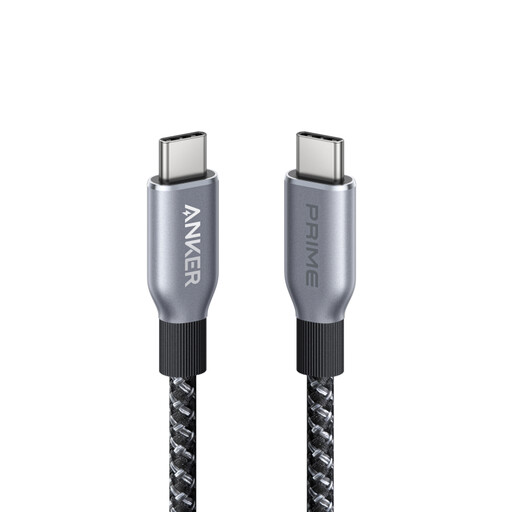
Why it stands out: This cable is for those who refuse to compromise on power. With its 240W capability, it's ready for the most powerful machines of today and tomorrow. Anker also promises exceptional durability, with a design built to withstand tens of thousands of bends.
Key features:
Who is it for? For professionals and creatives using high-performance laptops (e.g., recent MacBook Pros, Dell or HP workstations) who want to leverage their charger to its full potential.
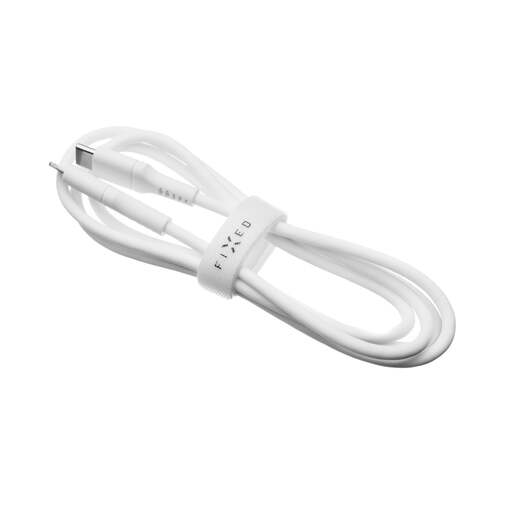
Why it stands out: Here, the material makes all the difference. The liquid silicone gives it incredible flexibility and a velvety feel. Say goodbye to tangled, rough-feeling cables. A choice that's as practical as it is elegant for daily use.
Key features:
Who is it for? For the everyday user looking for a reliable and pleasant-to-handle cable to charge their smartphone and tablet. Its flexibility makes it the ideal travel companion.
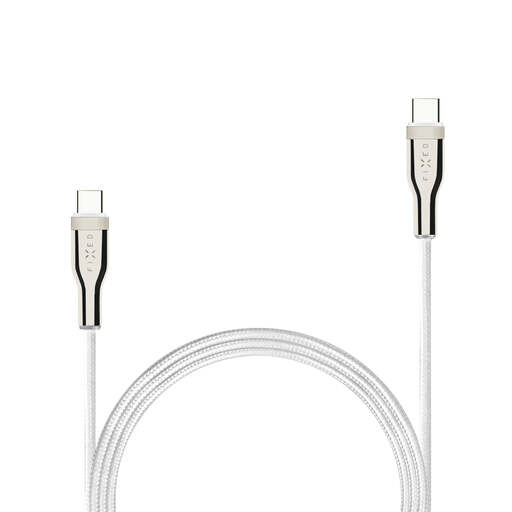
Why it stands out: This model checks all the boxes: power, durability, and a great price. It's the perfect balance. With 100W of power, it covers the needs of almost every laptop on the market, while its braided sheath ensures excellent longevity.
Key features:
Who is it for? For the professional or student who wants a single, sturdy cable to charge everything (PC, tablet, smartphone) without needing the 240W reserved for extreme setups.
Our selection covers the most common needs, but the world of USB-C cables is much broader. Length, colour, materials... if you have different criteria, you're sure to find the perfect match in our full catalogue.
? Explore our complete collection of C-to-C Cables to find the model that perfectly meets your needs.
It's all in the name: it's the maximum power they can deliver. A 100W cable is sufficient for the vast majority of current laptops. A 240W cable is built for next-generation machines (workstations, gaming PCs). It can, of course, charge less power-hungry devices, but it won't charge them any faster than their battery allows.
Absolutely not. Power Delivery (PD) technology is designed to be smart. A 100W or 240W cable will never "force" your device to accept more power than it can handle. Your smartphone will communicate with the charger and will only "draw" the necessary power (e.g., 25W or 45W), even if the cable and charger can deliver much more.
No, these are two completely different things. Power (W) relates to charging speed. Transfer speed (Mbps or Gbps) depends on the cable's standard (USB 2.0, USB 3.2, Thunderbolt 4). The cables in our selection are optimised for charging and are therefore limited to the USB 2.0 standard (480 Mbps). This is perfect for syncing photos but insufficient for transferring multi-gigabyte video files in the blink of an eye. For that, you need dedicated data cables.