
Livraison le jour même ou le lendemain

Qualité garantie

Débloquez vos offres de bienvenue: Livraison GRATUITE | Jusqu'à -80 % | 30 jours d'essai gratuits à JoyPlus
Téléchargez l'application
Is your laptop battery dying just minutes before a crucial meeting? Does your smartphone take forever to charge? The culprit is often the same: a damaged, lost, or simply unsuitable cable. With the USB-C port becoming standard on nearly all our devices, from the MacBook Pro and iPhone 16 to the Samsung Galaxy S24, finding the right fast-charging USB-C cable has become more essential than ever.
However, not all cables are created equal. Power, durability, transfer speed... the technical jargon can be confusing. As a product expert for Joybuy, my mission is to help you make sense of it all. This guide is here to walk you step-by-step toward the smartest choice, perfectly suited for your devices and your daily life.
Before diving into our top picks, let's review the essential criteria to ensure your next cable is up to the task.
A cable's charging power, expressed in watts (W), is the number one criterion for fast charging. A standard model often maxes out at 60W, which is sufficient for a smartphone but not nearly enough for a laptop.
A cable is an accessory that's put through the wringer daily. Repeated twisting, bending, and transport can quickly put it out of commission.
If you also plan to use your cable for transferring files, the transfer speed is a crucial point. Many cables optimized for charging are limited to USB 2.0 data transfer speeds (480 Mbps). This is fine for occasional syncing, but if you're juggling large video files or hefty backups, a USB 3.1 or Thunderbolt-compatible cable will be necessary.
Here are a few models that caught our attention, chosen for their performance, reliability, and relevance for today's use cases.
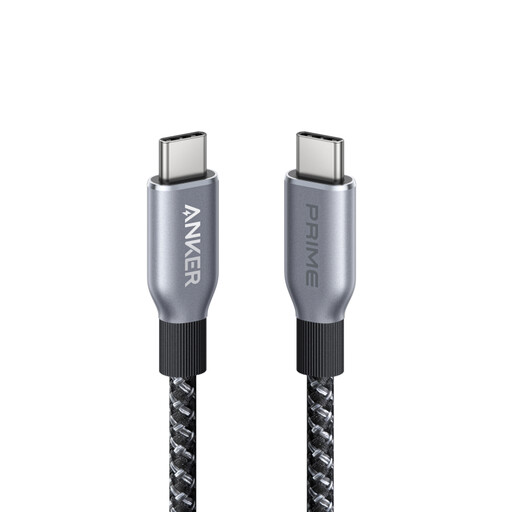
Why it stands out
This cable is built for those who accept no compromises. With its 240W power capacity, it can power the most high-performance laptops at full speed. According to Anker, its braided jacket is made from recycled materials and is designed to withstand over 300,000 bends, a testament to its exceptional durability.
Highlights
Who is it for?
Professionals, content creators, and gamers who use high-performance devices and are looking for an ultra-fast charging solution and a cable that won't let them down.
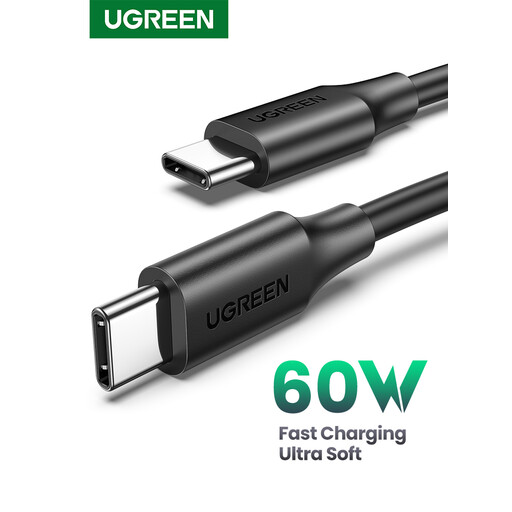
Why it stands out
This UGREEN cable is the smart and efficient choice for daily use. It supports up to 3A of current and is compatible with Power Delivery and Quick Charge standards, ensuring a fast charge for most smartphones and tablets. Its design with reinforced connectors and a sturdy jacket makes it an excellent replacement for an original cable.
Highlights
Who is it for?
The user looking for a reliable and affordable replacement cable for their smartphone, tablet, or USB-C peripherals, without needing the extreme power of a 240W cable.
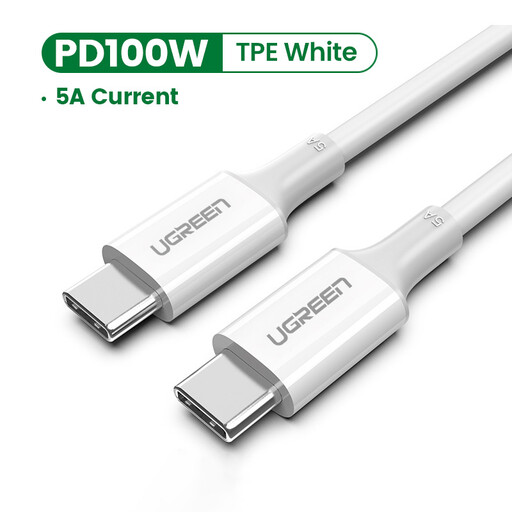
Why it stands out
This model embodies the perfect balance. With its 100W power rating, this USB-C to USB-C cable is robust enough to charge most laptops, while also being a prime choice for tablets and smartphones. It integrates an E-Marker chip that ensures safe and stable power delivery, thereby protecting your valuable devices.
Highlights
Who is it for?
For those who juggle a USB-C laptop and other mobile devices. It's the ultimate versatile cable, offering a very comfortable power reserve.
Our selection covers the most common needs, but the range of available cables is vast. If you haven't found what you're looking for or wish to explore other lengths, colors, and specifications, feel free to browse our complete category.
Discover our Electronic Wire range
1. What is the difference between a 100W and a 240W USB-C cable? It's primarily a matter of the maximum power the cable can safely carry. A 100W cable is sufficient for most laptops. A 240W model is designed for the latest and most power-hungry machines (mobile workstations, gaming laptops, etc.), allowing them to charge at their maximum speed. Note: to take advantage of this, your charger and device must also be compatible with this power level.
2. Are all USB-C cables compatible with fast charging? Unfortunately, no. To benefit from fast charging, the device-charger-cable trio must all be compatible. A cable must be specifically designed to handle high power levels and protocols like Power Delivery (PD) to offer a truly fast charge.
3. Is a braided cable really more durable? In the vast majority of cases, yes. The braided nylon or synthetic fiber jacket provides much better protection against everyday wear, friction, and repeated bending, especially near the connectors. While it's not a guarantee of immortality, a braided cable is a much more robust choice than a standard plastic cable, especially for heavy use.